Fishing Yellowstone National Park: The Complete On-the-Water Guide
Everything you need to fish Yellowstone National Park — regulations, best rivers and lakes, seasonal windows, gear lists, and insider access tips for one of America's greatest wild trout destinations.
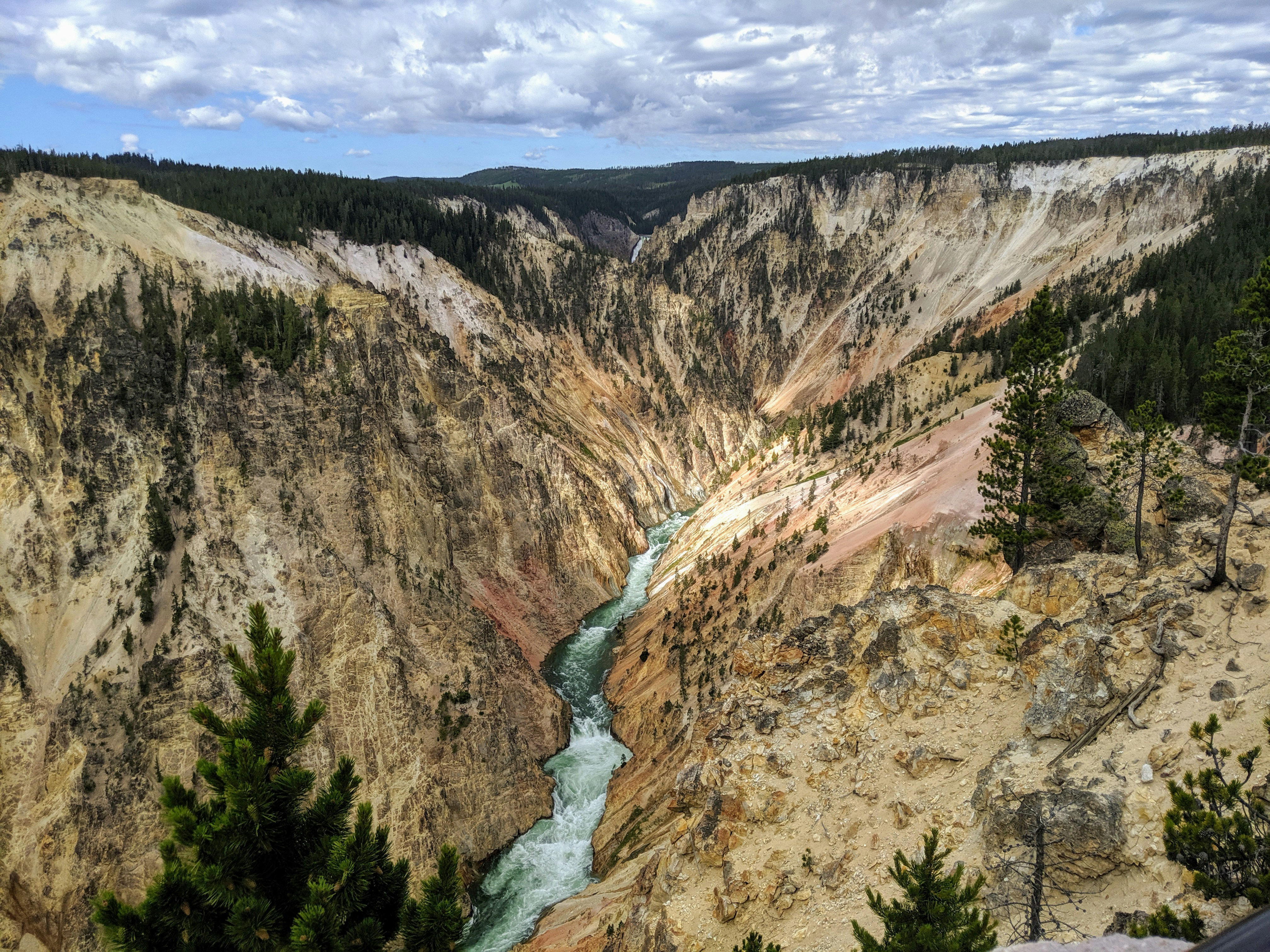
Fishing Yellowstone National Park: The Complete On-the-Water Guide
Why Yellowstone? There are bigger rivers, more productive tailwaters, and easier-to-reach wild trout than anything inside Yellowstone National Park’s boundary. But there is nowhere else on Earth where you can cast to a 20-inch cutthroat in the shadow of a geothermal geyser, watch bison wade the same river bend you are fishing, and know with certainty that the fish in front of you has never seen a hatchery truck. Yellowstone is not the easiest trout fishing. It rewards preparation, patience, and a genuine respect for the resource. This guide gives you everything you need to do it right.
At a Glance
| Detail | Info |
|---|---|
| Location | Yellowstone National Park, Wyoming / Montana / Idaho |
| Primary Species | Yellowstone Cutthroat, Brown Trout, Rainbow Trout, Brook Trout, Lake Trout |
| Best Season | July 15 – October (opening varies by water) |
| Fishing License | Park fishing permit required (separate from Wyoming/Montana state license) |
| Permit Cost | 3-day: $18 |
| Catch & Release | Mandatory for all cutthroat trout; check regulations for other species |
| Nearest Airport | Jackson Hole (JAC) — 65 miles south; Bozeman (BZN) — 90 miles north |
| Best For | Fly fishing, wading, walk-and-wade wild trout |
| Difficulty | Intermediate to Advanced (regulations and access require planning) |
The Waters: A Field Guide to Yellowstone’s Best Fishing
Yellowstone River — Hayden Valley
The crown jewel. The upper Yellowstone between Yellowstone Lake and the Upper Falls runs through the open sage and grasslands of Hayden Valley, offering some of the most visually stunning trout fishing anywhere in North America. The fish here are Yellowstone cutthroat — wild, strong, and magnificently colored — averaging 14–18 inches with legitimate 20-inch fish available to patient anglers.
| Factor | Detail |
|---|---|
| Opens | July 15 |
| Access | Pull-offs along the Grand Loop Road; some wade-in sections require short hikes |
| Best Method | Dry fly — elk hair caddis, pale morning dun, hopper patterns in summer |
| Crowds | Moderate to high near road; walk 15+ minutes from parking for solitude |
| Watch For | Bison crossing — give them 100 yards; water moves fast after afternoon storms |
Firehole River
One of the most unusual trout fisheries in the world. The Firehole is warmed by geothermal runoff from the Upper, Midway, and Lower Geyser Basins, creating water temperatures that are warm enough for trout to be active well into summer when other park waters are still cold. It holds brown trout and rainbow trout in riffles and pools that sit literally next to boiling hot springs.
| Factor | Detail |
|---|---|
| Opens | Memorial Day weekend |
| Best Season | May–June and September–October (midsummer water gets too warm) |
| Best Method | Small nymphs (size 16–20), dry flies during morning hatches |
| Unique Challenge | Geothermal gases make some sections unsafe — fish only where signage permits |
| Access | Firehole Canyon Drive; several pullouts along the Grand Loop |
Madison River (inside the park)
The upper Madison, from its confluence with the Firehole and Gibbon rivers downstream to the park boundary, is a superb brown and rainbow trout fishery. The river is wide enough for casting room, freestone enough to wade, and productive enough that it drew fly anglers before most of the park was even mapped.
| Factor | Detail |
|---|---|
| Opens | Memorial Day weekend |
| Best Season | June–October |
| Best Method | Streamers in fall; nymphs and dry flies in summer |
| Hot Spot | The confluence of the Gibbon and Firehole — wade carefully here |
| Pro Tip | Fish the inside seams along the bank at dusk for the biggest brown trout |
Yellowstone Lake
The largest high-elevation lake in North America at 7,733 feet, Yellowstone Lake holds a massive population of Yellowstone cutthroat — the same fish that grizzly bears and osprey rely on during spring and summer. Shoreline access from Bridge Bay and Fishing Bridge areas allows non-boating anglers to reach fish.
| Factor | Detail |
|---|---|
| Opens | June 15 |
| Primary Species | Yellowstone cutthroat (all must be released) |
| Best Method | Nymphs and streamers from shore; trolling by boat in deeper zones |
| Note | Lake trout are an invasive species here — keeping them is encouraged and required where caught |
| Boat Rental | Available at Bridge Bay Marina |
Slough Creek
The backpacker’s classic. The lower meadows of Slough Creek, accessible by trail from Slough Creek Campground, offer some of the best dry-fly fishing in the park to Yellowstone cutthroat that have not seen much pressure. The trade-off: it requires a 1.5 to 4-mile hike in, depending on which meadow you target.
| Factor | Detail |
|---|---|
| Opens | July 15 |
| Access | Trail from Slough Creek Campground (first meadow: 1.5 miles; second: 2.5 miles) |
| Best Method | Dry fly — yellow humpies, elk hair caddis, grasshopper patterns |
| Crowd Level | Low (requires hiking) |
| Best Time | Morning and evening; afternoon thunder is common in July–August |
Seasonal Fishing Calendar
| Month | Water Conditions | What is Fishing | Crowds | Notes |
|---|---|---|---|---|
| May | Cold, some runoff | Firehole, Madison | Low | Early opener — excellent for those willing to brave weather |
| June | Clearing, rising | Madison, Firehole, lake opens June 15 | Moderate | Pre-hatch hatches; best before summer visitors arrive |
| July | Warm, clear | All waters open July 15 | High | Peak summer fishing and peak park crowds |
| August | Warm, clear | All waters | Very high | Hopper fishing peaks; fish early and late |
| September | Cooling, perfect | All waters | Moderate | Best overall month — fall colors, fewer crowds, active fish |
| October | Cold, some closing | Rivers closing mid-month | Low | Late-season brown trout aggression; check closing dates |
What to Pack: Gear List for Yellowstone
Essential Fly Fishing Setup
| Item | Recommendation | Why |
|---|---|---|
| Rod | 9ft 5-weight fly rod | Handles most park conditions; good for hoppers and nymphs |
| Backup rod | 9ft 4-weight | Smaller flies on flat water like Slough Creek |
| Reel | Large arbor, 5-weight | Large-arbor picks up line fast when cutthroat run |
| Line | WF5F weight-forward floating | Standard for dry flies and nymphs |
| Leaders | 9ft tapered 4X, 5X | 4X for hoppers; 5X for smaller dries and nymphs |
| Waders | Breathable chest waders | July and August allow wet wading on some waters |
| Boots | Rubber-soled wading boots | Felt soles prohibited in Yellowstone to prevent invasive species |
| Net | Rubber mesh landing net | Required for protecting fish — knotted nets damage scales |
Fly Box Essentials for Yellowstone
| Category | Patterns | Sizes |
|---|---|---|
| Dry Flies | Elk Hair Caddis, Parachute Adams, Pale Morning Dun | 14, 16, 18 |
| Hoppers | Dave Hopper, Chernobyl Ant, Club Sandwich | 8, 10, 12 |
| Nymphs | Hare Ear, Pheasant Tail, Prince Nymph | 14, 16, 18 |
| Streamers | Woolly Bugger (olive/black), Muddler Minnow | 6, 8 |
| Emergers | CDC Caddis, Sparkle Dun | 16, 18, 20 |
Regulations You Must Know
Yellowstone fishing regulations are detailed and change regularly. Violating them carries heavy fines. Key rules as of 2025:
- Park fishing permit required — separate from Wyoming, Montana, or Idaho state licenses
- All Yellowstone cutthroat trout must be released immediately regardless of size or water
- Lake trout caught in Yellowstone Lake must be killed — they are invasive and devastating the native cutthroat population
- Felt-soled wading boots are prohibited throughout the park to prevent AIS (aquatic invasive species) spread
- Fishing season varies by water — most rivers open July 15; some waters never open; always check the current park regulations before fishing any specific body of water
- Lead sinkers and split shot are prohibited — use tungsten or tin alternatives
- Always carry your permit — rangers check frequently and fines start at $100
Logistics: Planning Your Trip
Staying in the Park Yellowstone has 12 campgrounds, most requiring reservations 6 months in advance for summer dates. If you plan to fish Slough Creek, securing a site at Slough Creek Campground makes the hike-in far more practical. Lodging in the park (Old Faithful Inn, Lake Hotel) books up by March for July–August stays.
Day-Use Fishing Without Camping If staying outside the park, the north entrance at Gardiner, MT, and the west entrance at West Yellowstone, MT, are both within an hour of excellent park fishing. West Yellowstone is particularly well-positioned for the Madison, Firehole, and Gibbon rivers.
Guided Trips First-time visitors benefit enormously from a guided half-day or full-day trip. Local outfitters based in Gardiner, West Yellowstone, and Cody operate under park permit and provide gear, transportation, and permits. Expect $350–$650 per person for a full-day guided float or wade trip.
Getting Around Yellowstone is vast — the Grand Loop Road is 142 miles, and driving between the south and north sections can take 90 minutes. Match your accommodation to the waters you most want to fish.
Final Advice from the River
-
Arrive early. Summer crowds in Yellowstone are real. Popular pullouts on the Yellowstone River in Hayden Valley fill by 7:30am in July and August. Arrive at first light, or plan to walk further than other anglers.
-
Read the regulations before you go, not when you arrive. Download the current Yellowstone fishing regulations PDF from the NPS website before your trip. Regulations are available at entrance gates and visitor centers, but understanding them in advance prevents costly mistakes.
-
The cutthroat are wild and spookable. These are not hatchery fish. They have seen no pressure, but they are also keyed to natural food and will refuse a badly drifted fly. A drag-free drift matters more than fly selection in most situations. Land quietly, approach from downstream, and cast long before you wade into the pool.
-
Weather changes in 30 minutes. Yellowstone’s elevation (mostly 7,000–8,000 feet) means afternoon thunderstorms are common from July through mid-August. Carry a rain layer, watch the sky, and get off the water when lightning approaches.
-
This is a place worth protecting. The wild cutthroat of Yellowstone exist because of strict regulations enforced over decades. Follow catch-and-release protocols carefully — wet your hands, minimize air exposure, and release fish facing upstream in current. The next person to fish that pool deserves to find it just as wild as you found it.
Yellowstone is not just a fishing destination — it is a window into what all wild trout fishing looked like before dams, hatcheries, and agricultural runoff changed our rivers. Approach it with humility, leave nothing behind, and the park will reward you with an experience that no stocked lake or tailwater can replicate.