3 Fishing Knots Every Beginner Should Learn First: A Practical 2026 Guide
If you only learn three fishing knots at the start, make them the Palomar knot, the improved clinch knot, and the double uni knot. This practical 2026 beginner guide explains when to use each one, why they matter, and how to avoid the mistakes that make knots fail on the water.
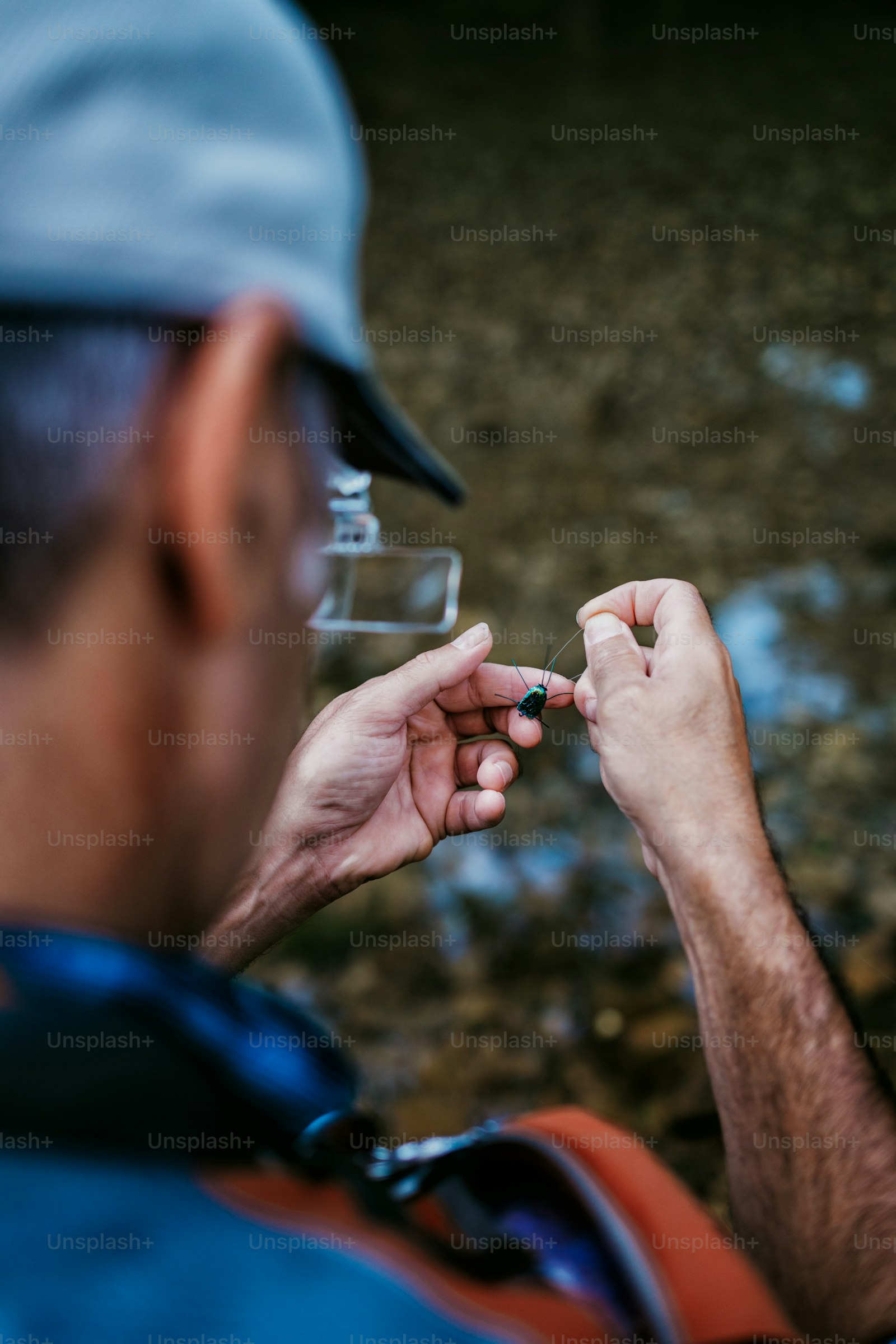
3 Fishing Knots Every Beginner Should Learn First: A Practical 2026 Guide
The short answer: If you are brand new to fishing, do not try to memorize a giant knot book. Learn three knots first: the Palomar knot for hooks and lures, the improved clinch knot for simple mono or fluoro terminal connections, and the double uni knot for joining braided main line to a leader. Those three cover most beginner situations without making your first trips more complicated than they need to be.
That advice still holds up in current live knot guides in 2026. Beginner-focused resources from Take Me Fishing and Animated Knots still center the same idea: start with a few easy, dependable knots that solve the most common problems, then expand later when you actually need something more specialized.
The mistake is not knowing every knot.
The mistake is tying too many mediocre knots instead of a few good ones with confidence.
Why Beginners Should Learn Fewer Knots, Not More
A lot of new anglers assume they need a different knot for every lure, every hook, every line type, and every scenario.
You usually do not.
Most beginners need to solve only three jobs:
- tie line to a hook, jig, or lure
- tie a simple terminal knot when using mono or fluorocarbon
- join two lines when using braid with a leader
If you can do those three jobs well, you can fish ponds, park lakes, riverbanks, docks, and plenty of casual inshore or freshwater situations without feeling underprepared.
Learning fewer knots helps because:
- you tie them faster under pressure
- you make fewer rigging mistakes
- you remember the steps when your hands are cold or wet
- you build confidence instead of second-guessing every retie
That matters more than chasing the “perfect” knot on paper.
Knot #1: The Palomar Knot
If I had to give a beginner only one knot to learn first, it would usually be the Palomar knot.
Why it deserves that spot:
- it is simple to remember
- it is widely trusted for hooks, jigheads, and many lures
- it works especially well with braid
- it stays beginner-friendly because the steps are short and repeatable
In current live knot references, the Palomar still shows up again and again as one of the best starting knots because it is both easy and strong when tied correctly.
Best uses for a Palomar knot
Use it when you want to tie directly to:
- a single hook
- a jighead
- a Texas-rig hook
- many hard baits or terminal pieces with a clean eye
Common beginner mistakes with a Palomar knot
This knot is easy, but people still mess it up.
Watch for these problems:
- crossing the doubled line before tightening
- burning the line by pulling it tight too fast
- not leaving enough loop to pass the lure or hook through
- cinching it dry instead of wetting the knot first
A Palomar tied badly is still a bad knot.
A Palomar tied neatly, tightened evenly, and checked before casting is one of the safest beginner choices you can make.
Knot #2: The Improved Clinch Knot
The improved clinch knot is still worth learning because it is one of the simplest ways to tie monofilament or fluorocarbon to a hook, swivel, or small lure.
It is not the only knot you will ever need, and it is not the best answer for every line type, but for basic beginner fishing it still earns its place.
Why it matters:
- it is common in starter instruction
- it works well for simple mono and fluoro setups
- it teaches line control and clean wraps
- it is useful when you want a classic, no-drama terminal knot
Best uses for an improved clinch knot
Use it for:
- bait hooks
- small spinners and spoons
- swivels
- bobber rigs
- light freshwater setups using mono or fluorocarbon
When not to use it
This is where beginners save themselves frustration.
The improved clinch knot is not my first choice for braid. Braid can slip more easily in some situations, and most beginners are better off using a Palomar for braid-to-hook work.
That is exactly why the three-knot system works well:
- Palomar for many braid or general terminal jobs
- improved clinch for easy mono or fluoro terminal jobs
- double uni for line-to-line connections
Each knot has a lane.
Knot #3: The Double Uni Knot
Once beginners start using braided main line with a fluorocarbon or mono leader, they need a reliable way to connect two lines.
That is where the double uni knot comes in.
Current live beginner knot pages still recommend it because it is easier to learn than some slimmer, more advanced line-to-line knots, but it still performs well enough for a huge percentage of real-world fishing.
Why the double uni is such a good beginner knot
- it is easier to learn than an FG knot
- it works for braid-to-leader setups
- it also works for joining similar lines in a pinch
- it gives beginners a practical entry into leader systems without overwhelming them
For a lot of casual anglers, the double uni is the first line-to-line knot that actually makes braid feel manageable.
Common mistakes with the double uni knot
The usual failures come from rushing:
- too few wraps on slick braid
- uneven tightening
- not pulling both standing lines cleanly after the wraps seat
- trimming tags too aggressively before checking the knot
When tied carefully, it is a very reasonable beginner answer.
Which Knot Should You Use in Real Fishing?
If you want a simple cheat sheet, use this:
Use the Palomar knot when:
- you are tying braid to a hook or lure
- you want the easiest strong knot to remember
- you are rigging soft plastics, jigs, or many basic lures
Use the improved clinch knot when:
- you are fishing mono or fluorocarbon directly to terminal tackle
- you are building a simple bobber or bait rig
- you want a classic starter knot that is easy to practice at home
Use the double uni knot when:
- you are connecting braid to a mono or fluorocarbon leader
- you want a leader setup without learning a more advanced knot yet
- you need one dependable line-to-line knot first
That is enough to get started well.
How to Practice Without Wasting a Day on the Water
The best place to learn knots is not when fish are feeding and your hands are shaking.
Practice at home with:
- heavier cord or old line first so you can see the steps
- one hook with the barb covered or removed for safety
- a few five-minute practice sessions instead of one long frustrating session
A smart way to learn is:
- practice one knot at a time
- tie it five or ten times slowly
- close your eyes and see if you can remember the order
- test it by pulling firmly
- retie it again the next day
You do not need perfect knot theory.
You need repeatable muscle memory.
The Beginner Mistakes That Actually Break Off Fish
Most lost fish blamed on “bad luck” are often knot problems.
The most common causes are:
- tying the wrong knot for the line type
- not wetting the knot before tightening
- tightening unevenly
- leaving a damaged section of line above the knot
- failing to retie after dragging line across rocks, docks, or wood
A knot is only part of the system. If the line above it is nicked, the knot may not be the real weak point.
Do You Need More Than These Three Knots?
Eventually, maybe.
Later on, you might add:
- a loop knot for better lure freedom
- an FG knot for slimmer braid-to-leader connections
- a snell knot for specific hook presentations
But none of that is urgent when you are new.
The best first move is still learning a small set of knots you can tie correctly every time.
The Best Next Step
If you are just starting, do this on purpose:
- learn the Palomar knot first
- add the improved clinch knot second
- learn the double uni knot when you start using braid with a leader
That gives you a practical system instead of a messy collection of half-remembered diagrams.
Fishing gets easier when your rigging becomes automatic.
And for most beginners in 2026, these three knots are still the fastest path to that point.