How to Fish a Swim Jig for Spring Bass: A Practical 2026 Guide to Cover, Retrieve Speed, and Clean Hookups
Learn how to fish a swim jig for spring bass with the right weight, trailer, rod, line, cover targets, and retrieve changes so you can cover water fast and get more bites around grass, wood, and shallow staging areas.
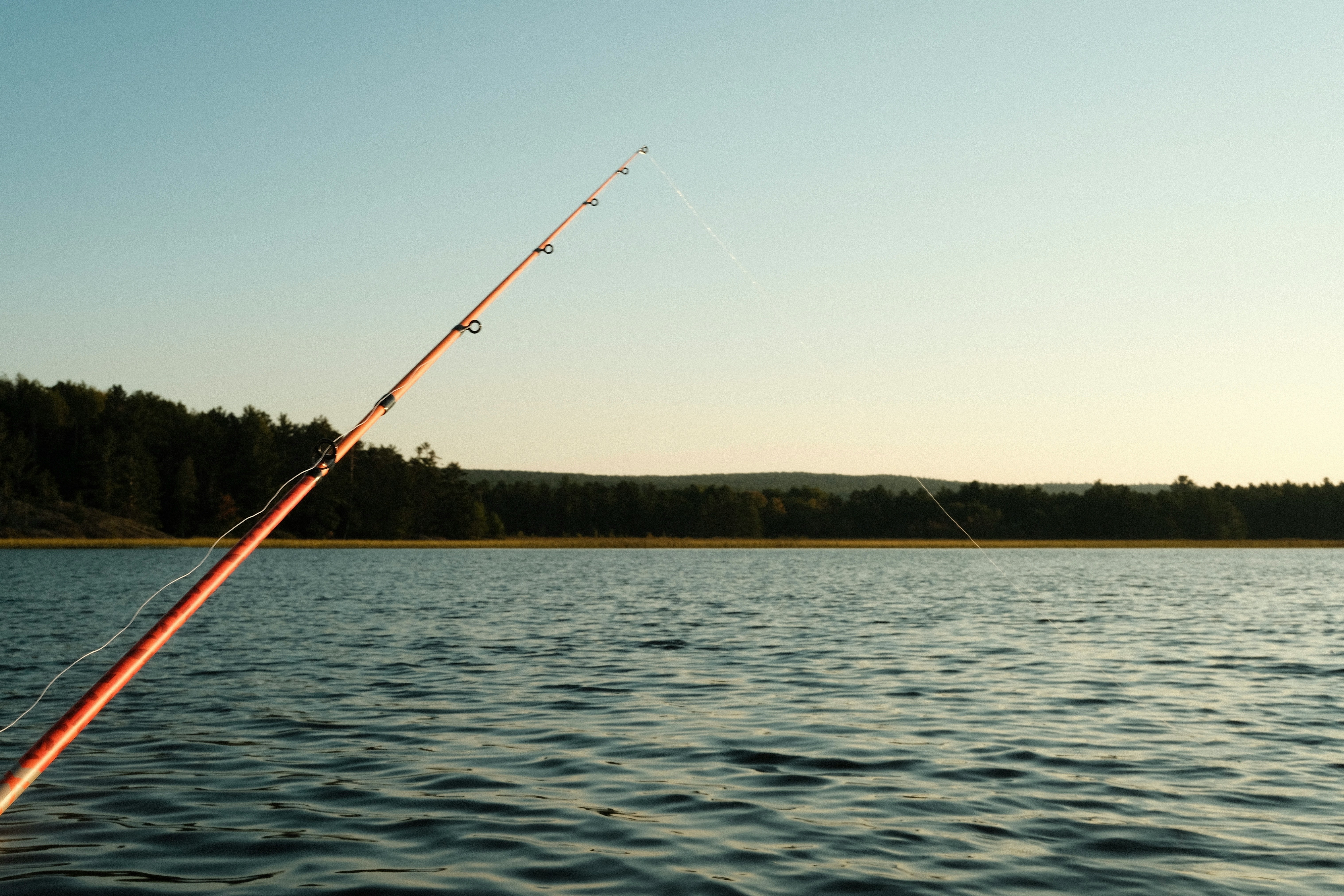
A lot of anglers think of a swim jig as just another moving bait for warm, active fish. That misses why it is so useful in spring. A swim jig lets you cover water like a reaction bait, but it still comes through grass, wood, dock posts, and mixed shallow cover with the control of a jig.
That combination is exactly why it keeps producing in 2026. Spring bass often slide shallow before they fully commit to spawning areas. They are feeding, roaming, staging, and using cover, but they are not always in the mood to crush a loud bait moving at one fixed speed. A swim jig gives you a cleaner profile, a subtler presence, and much better control over depth and pace.
If you learn where to throw it, how fast to move it, and when to change trailers, it becomes one of the best tools for finding and catching bass from early pre-spawn through post-spawn.
Why a swim jig is so good in spring
A swim jig shines when bass are feeding shallow but still using cover and edges instead of fully committing to open-water chasing.
It is especially strong when:
- water is warming into the low-to-mid 50s and upward
- bass are moving toward flats, pockets, and spawning banks
- grass is starting to emerge but is not yet a solid wall
- fish are around wood, reeds, dock walkways, or shoreline cover
- a spinnerbait or chatterbait feels too aggressive for the conditions
The biggest advantage is versatility. You can reel it steadily, pulse it, kill it next to cover, or let it deflect and recover. That makes it easier to match the mood of spring fish, especially on changing weather days.
The easiest starting setup
For most anglers, the easiest swim jig setup is a 7’0” to 7’4” medium-heavy casting rod with a fast action, a 7:1 to 8:1 baitcaster, and either 15 to 17 pound fluorocarbon or 30 to 40 pound braid depending on the cover.
A simple starting rule works well:
- fluorocarbon for sparse grass, docks, rock, mixed cover, and cleaner water
- braid for heavier grass, reeds, pads, or places where you need more cutting power
You want enough backbone to drive a jig hook home, but not such a broomstick that the bait loses casting accuracy or the fish tear off at boatside.
Step 1: Start with 3/8 ounce unless the cover clearly says otherwise
Action: Begin with a 3/8 ounce swim jig as your all-around spring option.
Common mistake: Going too heavy too early and burying the bait deeper than you want in skinny water.
Expected feel: The jig should track cleanly, stay upright, and run just above the cover instead of constantly digging into it.
A practical breakdown:
- 1/4 ounce for very shallow water, finesse situations, or slow presentations high in the water column
- 3/8 ounce for the widest range of spring situations
- 1/2 ounce for wind, thicker cover, or when you need a faster pace without the bait blowing out
Most spring anglers can do a lot of work with 3/8 ounce and a couple of trailer styles.
Pick the trailer by forage and lift
The trailer does more than change the silhouette. It changes lift, speed, vibration, and how high the jig rides.
A paddle-tail swimbait trailer is the cleanest choice when bass are feeding on shad, small bluegill, or other baitfish. It gives you a steady tail kick and a more streamlined profile.
A craw-style or twin-tail trailer is better when you want extra lift, more bulk, or a more hunting feel around grass and wood. It can also help the jig stay up in shallow water at slower speeds.
Step 2: Match the trailer to what the fish are feeding on and how high you want the bait to run
Action: Use a paddle tail when you want a tighter baitfish look and a craw-style trailer when you want extra presence and lift.
Common mistake: Leaving the same trailer on all day even when the jig is running too low, too high, or not matching the forage.
Expected feel: A good trailer makes the jig track naturally without rolling, blowing out, or feeling dead.
In clearer water, natural shades like green pumpkin, shad, white, or bluegill tones usually make sense. In stained water, a little more contrast often helps.
The best spring targets are edges, not random bank water
One reason people struggle with a swim jig is that they cast it at every piece of shoreline and then decide it is overrated. It gets much better when you fish the high-percentage lanes.
Look for:
- outside grass edges in 2 to 6 feet
- scattered grass clumps on flats
- dock corners and walkways
- laydowns with a clean swimming lane beside them
- reed lines and pad stems
- transition banks where rock, wood, and grass meet
- the first shallow cover near spawning pockets
Step 3: Make long casts and bring the jig through the most likely ambush lane
Action: Aim for the edge, seam, or travel lane where a bass can pin bait, not the middle of dead water.
Common mistake: Throwing straight at the bank and reeling back through featureless water.
Expected feel: The jig should tick cover occasionally, but it should not stay buried in it.
A swim jig is at its best when it is coming through something or past something, not just swimming in open nothingness.
Speed matters more than color on a lot of days
Many spring fish will tell you quickly whether they want the jig moving fast enough to trigger them or slow enough to let them track it.
In cooler water, a slower retrieve usually wins. That does not mean painfully slow. It means just fast enough to keep the trailer working and the jig above the cover. As water warms and bass get more aggressive, you can speed it up and force more reaction bites.
Step 4: Start steady, then add small changes instead of random chaos
Action: Begin with a smooth retrieve, then add small rod pulses, brief stalls, or slight speed changes around key cover.
Common mistake: Burning the bait back or jerking it constantly like a topwater.
Expected feel: The jig should look alive, not panicked. It should swim clean, then flare or surge right when it reaches something important.
Three retrieves cover most situations:
- steady swim for covering water and finding active fish
- pulse and glide around grass, dock posts, and wood
- kill and restart when the jig reaches an opening, corner, or hole in the cover
A lot of strikes happen right after the bait changes speed or clears an object.
Hookups get better when you stop setting too early
A swim jig bite can feel like a sharp tick, a heavy load, or the bait simply getting mushy. Because fish often eat it from behind, many anglers swing too soon.
Step 5: Keep reeling until you feel real weight, then drive the hook home hard
Action: When the bait feels different, keep the reel turning for a split second and lean into a firm hookset.
Common mistake: Snapping instantly at the first bump and pulling the jig away.
Expected feel: Once the fish is there, the rod should load deeply and stay loaded.
This is one reason a compact trailer and a balanced setup matter. Cleaner profiles often hook better than overly bulky combinations.
When the swim jig is strongest
The swim jig is one of the best choices when:
- bass are staging near spawning flats
- there is new or emerging vegetation
- you need a quieter alternative to a vibrating jig
- fish are using shallow cover but still willing to move for a meal
- the lake has mixed cover instead of one single obvious pattern
It is less ideal when fish are extremely deep, buried in matted vegetation, or obviously focused on a bottom-only presentation.
Common mistakes that cost fish
The biggest errors are usually simple:
- using a jig that is too heavy for the depth
- choosing a trailer that kills the action
- fishing empty bank water instead of edges and lanes
- reeling too fast in colder water
- never changing speed around key cover
- setting the hook before the fish fully has the bait
If you fix those, the swim jig becomes much easier to trust.
A better way to practice it
If you are trying to learn the technique, skip the worst cover in the lake at first. Find a bank with scattered grass, a few dock posts, or isolated wood in shallow water. Fish a 3/8 ounce jig on fluorocarbon, make long casts, and focus on keeping the bait just above the cover. Once you can feel what the jig is doing, then move into gnarlier water.
That is usually when the swim jig starts making sense. It is not just a bait to wind back. It is a controlled shallow-water search tool that lets you cover water, stay clean through cover, and show spring bass a meal that looks natural without being timid.
Learn that balance, and it becomes one of the most dependable spring bass techniques you can carry.