Surf Fishing Rigs for Beginners: When to Use Fish-Finder and High-Low Rigs
Learn when to fish a fish-finder rig versus a high-low rig in the surf, how to match sinkers and leader lengths to conditions, and how to find the beach structure that actually holds feeding fish.
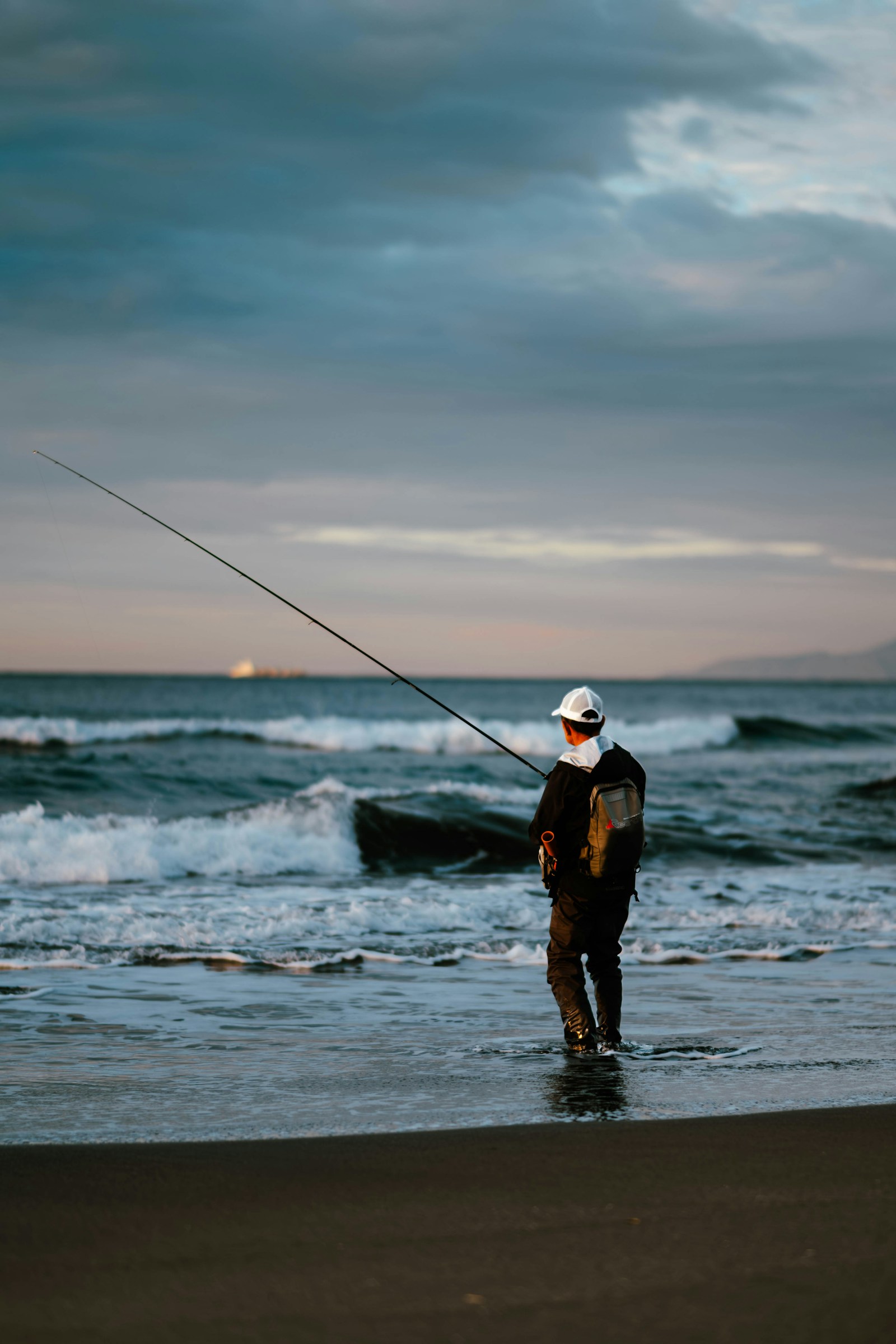
A lot of beginners think surf fishing starts with a long cast and a heavy sinker. That is part of it, but it is not the whole game. The bigger skill is choosing a rig that matches the beach in front of you and the kind of bite you are trying to get.
For most new surf anglers, two rigs matter more than anything else: the fish-finder rig and the high-low rig. Between them, you can cover most simple bait-fishing situations from open sand beaches to light structure and shifting troughs.
If you understand what each rig is designed to do, surf fishing gets much less confusing. You stop guessing, and you start making better decisions about bait, sinker weight, and where your cast should actually land.
Why these two surf rigs matter
Recent surf-fishing rig guides still come back to the same point: the fish-finder rig shines when you want a fish to move off naturally with the bait, while the high-low rig shines when you want to present smaller baits efficiently and cover more of the lower water column.
That simple difference matters a lot.
A fish-finder rig is usually the better call when you are fishing bigger baits for larger, more deliberate feeders. A high-low rig is often the better call when you are trying to get bites from school fish, bottom feeders, or fish cruising a trough close to shore.
You do not need a giant rig wallet to start. You need to know what problem each rig solves.
The fish-finder rig: what it does best
A fish-finder rig uses a sliding sinker above a swivel, then a leader and hook below. Because the sinker slides on the main line, a fish can pick up the bait and move without feeling the full resistance of the weight right away.
That is why this rig is so useful for larger baits and more cautious fish.
Use a fish-finder rig when:
- you are fishing cut bait, bigger clam sections, squid, or live bait
- the surf has enough push that you need the sinker to hold bottom cleanly
- you want a more natural pickup before the rod loads up
- you are targeting larger fish rather than just chasing numbers
Common beginner mistake
Action: Let the rig do its job and allow the fish a moment to move the bait.
Mistake: Swinging hard the second the rod tip twitches.
Expected feel: A real bite usually loads steadily instead of just tapping once in the wash.
The high-low rig: what it does best
A high-low rig uses two hook droppers above the sinker. It is simple, stable, and great for fishing smaller baits near the bottom while covering two slightly different levels in the water.
This is one of the easiest surf rigs to cast, manage, and learn on.
Use a high-low rig when:
- you are fishing shrimp, sand fleas, clam strips, bloodworms, or small squid pieces
- you want to find out quickly what size fish are feeding in the wash
- the bite is made up of smaller bottom-oriented fish
- you want a clean rig that stays organized in moderate surf
Common beginner mistake
Action: Keep the rig compact and use baits that match the hook size.
Mistake: Overloading both hooks with too much bait and turning the cast into a tangle.
Expected feel: The rig should cast cleanly, settle fast, and let you read subtle taps.
Sinker choice is not a detail
Many surf trips get ruined by the wrong sinker more than the wrong hook.
For most beginner situations, a pyramid sinker is the right starting point because it bites into sand and holds better in moving water. In calmer surf, a lighter pyramid or bank sinker may be enough. When the current or sweep gets stronger, step up in weight until the rig stays where you put it.
A useful starting range is 2 to 4 ounces, then adjust from there. If the rig drags sideways every minute, go heavier. If it is burying too hard in gentle conditions or feels clumsy on the cast, go lighter.
The goal is simple: hold bottom without turning the whole setup into a brick.
Leader length and hook spacing
Leader choices do not need to be fancy, but they should be intentional.
For a fish-finder rig, a leader around 20 to 30 inches is a solid range for most beginner bait fishing. A slightly longer leader can help the bait move naturally, while a shorter one is easier to cast and usually tangles less.
For a high-low rig, keep the dropper loops separated enough that the hooks do not wrap around each other, but not so long that the whole rig becomes messy in the air. Compact rigs usually cast better and fish cleaner.
If you are new, shorter and simpler is usually the smart choice.
Step 1: Read the beach before you cast
The biggest beginner mistake in surf fishing is assuming distance solves everything. Often it does not.
Action: Spend two or three minutes watching the water. Look for troughs, cuts in the bar, foam lines, darker water, or any seam where current is moving bait.
Common mistake: Bombing the longest cast possible without noticing fish may be feeding in the first trough.
Expected feel: Once you see where water is moving differently, the beach stops looking random.
Step 2: Match the rig to the bait and bite
Do not choose the rig first and force everything else around it.
Action: If you are fishing bigger natural baits and want a natural pickup, start with the fish-finder. If you are trying to get steady bites on smaller baits, start with the high-low.
Common mistake: Fishing oversized baits on a high-low rig or tiny scraps on a setup meant for a more deliberate bite.
Expected feel: The rig should make the bait look natural, not awkward.
Step 3: Adjust sinker weight until the rig holds
Action: Make a cast, let the sinker settle, and watch whether the line angle stays stable.
Common mistake: Keeping the same sinker no matter what the current is doing.
Expected feel: A properly matched sinker feels planted but not dead. You can still detect taps and pressure changes.
Step 4: Keep the presentation simple
In the surf, simple usually wins.
Use fresh bait when possible. Keep hook sizes matched to the bait chunk. Re-bait when the wash beats up the offering. If crabs or small pickers are active, check your hooks more often than you think you need to.
A clean bait on a basic rig usually outfishes an overbuilt setup.
Step 5: Pay attention to what the beach tells you
If the rod stays dead for too long, change something with purpose.
- move a little closer to a cut or trough
- switch from high-low to fish-finder, or the other way around
- change sinker weight if the rig will not settle
- trim the bait down if the cast keeps tangling
- shorten the leader if wave action is too messy
Surf fishing rewards adjustments more than stubbornness.
When each rig is the better choice
Choose the fish-finder rig when you want a more natural pickup with larger bait and a single, cleaner presentation.
Choose the high-low rig when you want fast feedback, smaller bait presentation, and a strong beginner-friendly setup for bottom feeders and mixed beach species.
If you bring both, you are already covering most practical surf situations.
Final thought
Surf fishing gets easier when you stop thinking only about distance and start thinking about presentation.
The fish-finder rig helps you fish bigger baits naturally. The high-low rig helps you fish smaller baits efficiently. Add the right sinker, read the troughs before you cast, and keep the rig as simple as conditions allow.
That is the real beginner upgrade: not more gear, just better choices.