How to Fish a Ned Rig From Shore for Smallmouth: A Practical 2026 Guide
A practical 2026 guide to fishing a Ned rig from shore for smallmouth bass, including where to cast, the best jighead weights, line setup, retrieve control, and the mistakes that cost bites.
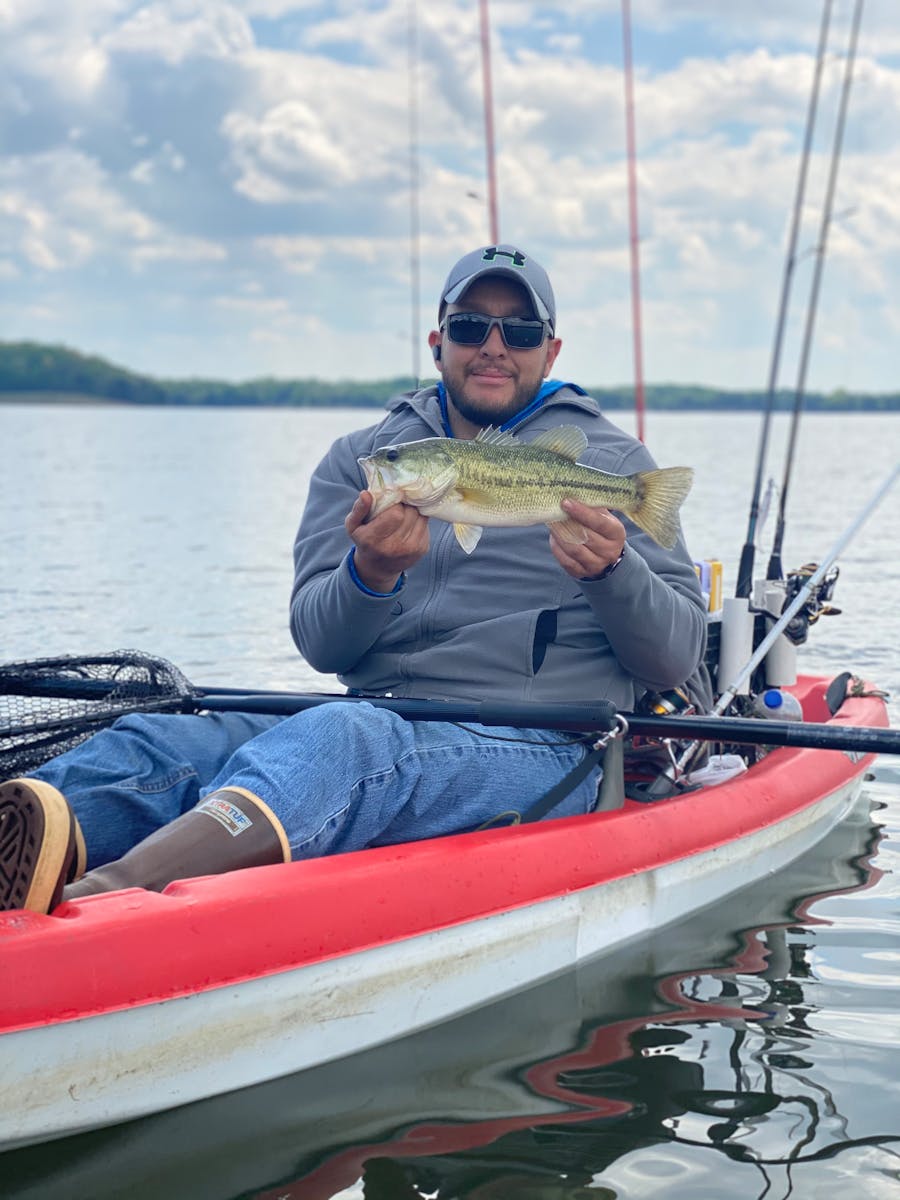
If you fish for smallmouth from the bank, the Ned rig is still one of the easiest ways to slow down without giving up action. That matters in 2026 because a lot of popular smallmouth water is seeing more pressure, clearer conditions, and more anglers throwing the same moving baits at the same obvious rock banks.
The Ned rig gives you a cleaner answer. It is compact, easy to cast on light spinning gear, and especially effective when smallmouth are feeding on bottom-oriented forage or refusing faster lures. Recent 2025–2026 guidance across Outdoor Life, Wired2Fish, In-Fisherman, The Fisherman, and other current sources keeps landing on the same practical points: use the lightest jighead that still maintains bottom contact, keep the plastic compact and buoyant, and work rocky transitions, riprap, shoreline points, and current seams with a slow, controlled presentation.
Bottom line
If you want one simple bank-fishing system for smallmouth, start with a 6’10” to 7’3” medium-light spinning rod, a 2500 reel, 10 lb braid to a 6 to 8 lb fluorocarbon leader, a 1/16 oz to 1/10 oz mushroom-style jighead, and a 2.5” to 3” buoyant finesse plastic.
Then follow three rules:
- Fish the lightest head that still lets you feel bottom.
- Target rocky points, riprap, seam edges, and shallow-to-deep transitions.
- Drag, shake, and deadstick more than you hop.
That setup is not flashy, but it keeps the bait in front of fish longer, snags less than many beginners expect, and gets bites when smallmouth are neutral instead of reckless.
Why the Ned rig keeps working for shore smallmouth
Smallmouth love efficiency. They want food, oxygen, and cover without wasting energy. That is why bank anglers keep catching them around rocky points, riprap, boulder edges, transitions, and current seams. A Ned rig fits that world perfectly because it stays near bottom, looks non-threatening, and gives fish an easy meal.
That matters even more in clear water or after a cold front. When jerkbaits, spinnerbaits, or topwater lures stop producing, a compact mushroom head with a short buoyant plastic still looks natural. It does not need much motion to stay convincing.
Another reason it works from shore is casting efficiency. You do not need a boat to position perfectly over fish. You just need to reach the right lane and keep the rig moving naturally through it.
The best shore setup for this technique
Keep the tackle simple and balanced:
- Rod: 6’10” to 7’3” medium-light or medium spinning rod with a fast tip
- Reel: 2500 size spinning reel with a smooth drag
- Main line: 10 lb braid
- Leader: 6 to 8 lb fluorocarbon in clear water, up to 10 lb around abrasive rock
- Jighead: 1/16 oz or 1/10 oz most of the time; 1/8 oz when wind, current, or depth demands it
- Plastic: 2.5” to 3” buoyant stick bait, small craw, or compact finesse minnow
That basic setup keeps the rig easy to cast while preserving bottom feel. The braid helps you detect light bites and line jumps. The fluorocarbon leader keeps the presentation cleaner in clear water and gives you some abrasion resistance around rock.
The most useful current advice is still this: use the lightest jighead you can get away with. Heavier heads cast farther and sink faster, but they also wedge deeper into cracks, kill the natural glide, and often reduce bites.
The jighead weights that make the most sense
For most shore smallmouth situations, these are the practical weight ranges:
1/16 oz
Best for shallow rock, calmer conditions, and a slower fall. This is often the highest-bite option when you can still maintain contact.
1/10 oz
A great middle ground. It keeps the soft fall and natural posture but handles a little more wind or slightly deeper water.
1/8 oz
Useful when you need longer casts, faster bottom contact, or enough weight to manage moderate current.
A lot of anglers jump too quickly to heavier heads. That usually makes the bait feel more mechanical, not more effective. If you keep hanging up, the answer is often a better angle or slightly lighter head, not more lead.
The best plastics and colors
You do not need a giant tackle selection.
The highest-percentage starting point is a 2.5” to 3” buoyant stick bait or TRD-style plastic in a natural tone. Good starting colors include:
- green pumpkin
- green pumpkin with purple or copper flake
- black
- brown or peanut butter and jelly
- other natural craw or baitfish tones that match your water
In clearer water, natural and muted colors usually make the most sense. In stained water, darker colors or a little extra contrast can help.
The important thing is not chasing novelty. It is keeping the profile compact and straight on the hook so the bait stands up properly and does not twist your presentation.
Where to cast from shore
The Ned rig gets much better when you stop fan-casting randomly and start looking for feeding lanes.
Rocky shoreline points
Shoreline points that touch deeper water are classic smallmouth spots. Fish the tip first, then the deeper edge, then the shallower inside side.
Riprap and chunk rock banks
Riprap concentrates crawfish and gives smallmouth a lot of edges to work with. Drag the bait slowly, and expect bites near irregular rocks, corners, and depth changes.
Boulder fields and rock transitions
Smallmouth often sit where gravel turns to chunk rock or where isolated larger boulders break the bottom into little ambush zones.
Current seams in rivers or inflows
If moving water is present, fish the soft side of the seam, the downstream cushion behind rock, and any eddy edge where food gets delivered without heavy effort.
Wind-blown banks
In lakes, wind can push bait and activate fish. If the bank is still fishable, a Ned rig can be excellent on rocky windward points and shoreline transitions.
How to work the bait
A lot of beginners overfish the Ned rig. The bait already has life. Your job is to guide it, not bully it.
Drag and pause
This is the best default retrieve. Let the rig reach bottom, drag it slowly a short distance, then pause. Many bites happen on the pause.
Shake in place
Small rod-tip shakes without pulling the bait far can be excellent when fish are sitting tight to a rock edge or transition.
Slow swim-glide
In slightly more active conditions, a slow steady retrieve with light bottom contact can trigger roaming fish.
Current-assisted drift
In rivers, cast slightly upstream or across, let the rig sink, and allow the current to help move it naturally while you keep semi-tight contact.
The common thread is control. You want to feel what the bait is touching without making it race through the strike zone.
A simple step-by-step bank approach
Step 1: Start with the highest-percentage angle
Cast at 30 to 45 degrees across the shoreline feature or current seam rather than straight out and straight back.
Step 2: Let the bait hit bottom cleanly
Watch the line on the fall. Smallmouth often eat it before the first drag.
Step 3: Move it less than you think
Short drags, tiny shakes, and real pauses beat constant hopping on most days.
Step 4: Cover the feature before moving
Work the shallow edge, the middle, and the deeper edge before giving up on the spot.
Step 5: Adjust weight before changing the whole system
If you cannot feel bottom, go slightly heavier. If the bait looks too stiff or keeps wedging in rock, go lighter or change your angle.
Common mistakes that cost bites
Fishing too heavy
This is probably the most common Ned-rig mistake. Too much weight makes the bait less natural and more snag-prone.
Retrieving too fast
The Ned rig is a finesse tool. If you fish it like a reaction bait, you lose the whole advantage.
Ignoring bottom transitions
Many bites come exactly where rock size changes, where shallow turns into deeper water, or where current softens.
Fishing slack without watching the line
A lot of bites are just a tick, a small jump, or sideways movement. If you are not watching the line, you will miss fish.
Rigging the plastic crooked
A bent plastic kills the subtle upright posture that makes the rig special.
When to pick the Ned rig first
It is especially smart from shore when:
- the water is clear or only lightly stained
- a cold front or fishing pressure has fish acting cautious
- the shoreline is rocky, clean, or mixed with gravel
- you can see current seams, wind push, or obvious transitions
- faster lures are getting follows but not real commitment
That does not mean the Ned rig is only a tough-bite lure. It is also a very good tool for learning how smallmouth use structure because it forces you to slow down enough to notice where fish actually live.
Final take
If you want a bank-fishing setup that keeps working when smallmouth get selective, the Ned rig is one of the best places to start in 2026. Stay light, stay compact, fish rocky edges and seam lines, and let the bait do less.
That sounds almost too simple, but smallmouth do not always need a loud answer. A lot of the time, they just need an easy one.