Montauk Fishing Guide 2026: Where to Fish, What Bites, and How to Plan Around Wind, Surf, and Migration
A practical Montauk fishing guide for surf, jetty, boat, and shoreline anglers, covering striped bass, bluefish, fluke, albies, timing windows, access strategy, and the gear that actually makes sense.
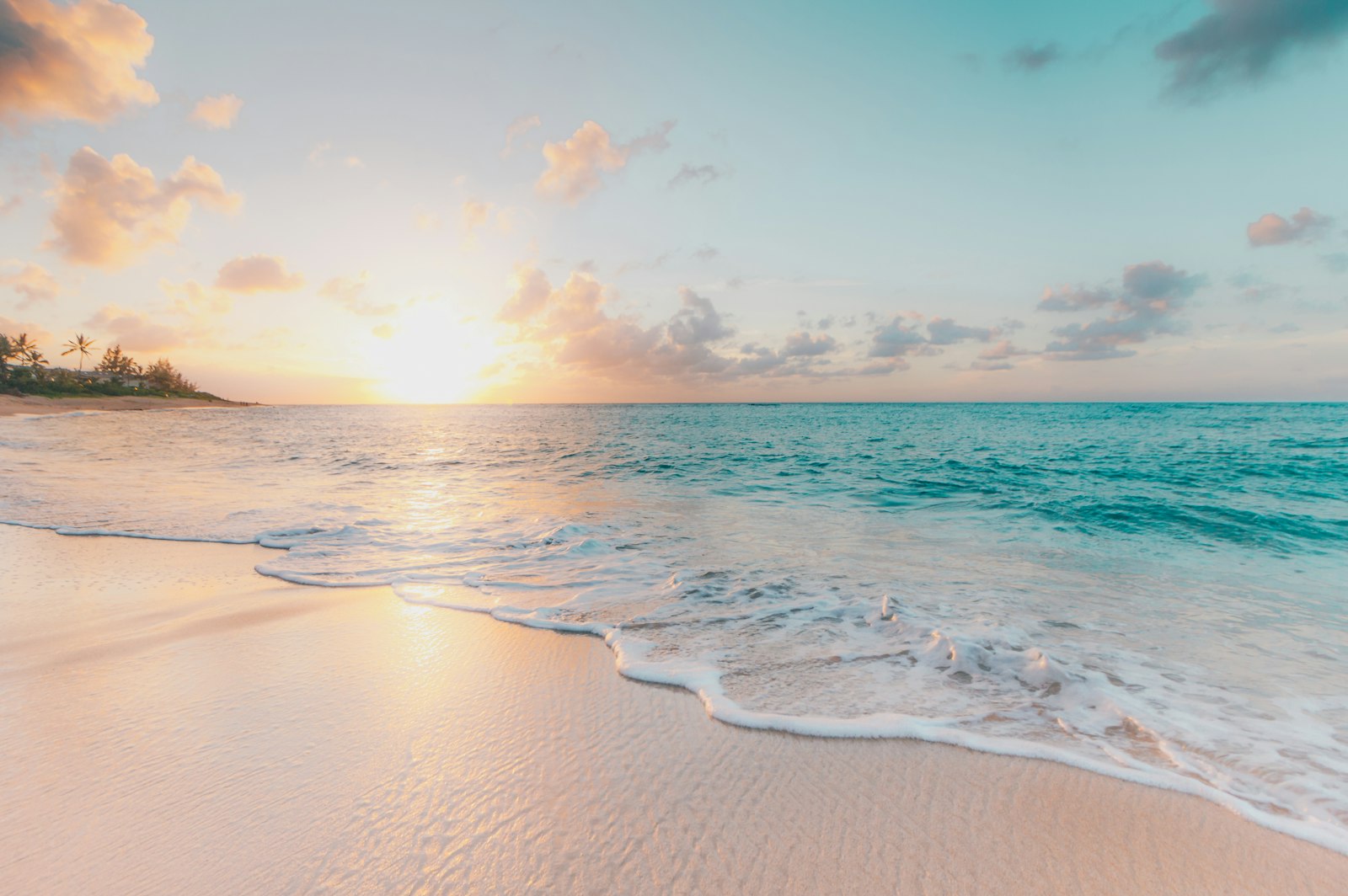
Montauk Fishing Guide 2026: Where to Fish, What Bites, and How to Plan Around Wind, Surf, and Migration
Montauk has a reputation problem, and I mean that in the best way. It is so famous that a lot of visiting anglers show up expecting one easy miracle bite, one legendary rock, and one perfect sunrise that solves everything. Real Montauk fishing is better than that, but it is also more demanding. The point works because currents collide, bait gets trapped, weather shifts fast, and fish can move from surf line to rips to boulder fields in a hurry. If you plan lazily, Montauk can feel overrated. If you plan around conditions, it still earns the hype.
This guide is for the practical version of the trip: where to focus, which species are most realistic, how shore and boat options differ, what seasonal windows matter most, and what gear actually makes sense before you start buying like a tackle tourist.
At a Glance
| Detail | Info |
|---|---|
| Best Known For | Striped bass, bluefish, false albacore in season, fluke, black sea bass, porgy action, and classic surfcasting structure |
| Best Trip Styles | Surfcasting, jetty and boulder fishing, charter or private-boat trips around rips, shoreline plugging, fall migration trips |
| Best Starting Areas | South-side beaches, boulder fields and points near the lighthouse zone, harbor and inlet access, rips reachable by boat |
| Best Overall Window | Late spring through fall, with peak attention on the late-summer-to-fall migration period |
| Best For | Anglers who want a destination with real shore options and legitimate trophy potential |
| Main Planning Variable | Wind direction, swell, current timing, and crowd pressure |
| License Note | Check current New York marine registration requirements, size and bag limits, access rules, and any local closures before fishing |
Why Montauk Is Worth the Trip
Montauk is one of the few East Coast destinations where the phrase world-class shore fishing is not just lazy marketing. There are not many places where a traveling angler can seriously target migratory striped bass from shore, fish dramatic boulder structure, switch to albies or bluefish when conditions line up, and still have a credible boat option if the surf plan falls apart.
The second reason Montauk matters is diversity of presentations. A trip here does not have to be one-dimensional. You can throw darters and bottle plugs in heavy current, work bucktails through wash, cast epoxy jigs at fast-moving albies, bounce bait or jigs for fluke, or fish deeper structure from a charter for black sea bass and porgies. That range gives the destination staying power even when one bite disappoints.
My blunt opinion: Montauk is at its best when you stop romanticizing it and start treating it like a weather-driven system. Wind and water movement matter more here than internet folklore.
How to Think About the Area Before You Pick a Spot
The easiest mistake is to think of Montauk as one shoreline. It is really a collection of very different fishing situations packed into a famous corner.
South-Side Beaches
The south side gives visiting anglers the most familiar entry point: open surf, moving water, bait movement, and room to cover water with plugs, tins, soft plastics, or bait depending on the season. This zone is often the most approachable place to start if you are new to Montauk but already comfortable reading beach structure.
Boulder Fields and Wash Zones
This is the image many anglers have in mind when they think of Montauk. Boulder fields, whitewater, and current-swept structure can absolutely produce serious striped bass, but they are not casual terrain. Good traction, careful timing, and clean footwork matter. If the swell is wrong, this is where ego gets punished.
Harbor, Inlet, and Protected Water Options
When surf conditions get ugly, protected water options can save the trip. Depending on timing, these areas can offer school bass, bluefish, and bait-related feeding windows with less punishment from swell and wind.
Boat-Only Rips and Offshore-Adjacent Water
A lot of the classic Montauk legend is tied to rips and moving-water structure better accessed by boat. If your goal is to maximize efficiency rather than earn every fish from the rocks, a half-day or full-day charter can turn the trip into a much cleaner learning experience.
What You Can Realistically Target
Striped Bass
Striped bass are still the headline species, and they are the main reason many anglers make the drive. Montauk shines during migration windows because fish moving through current-heavy structure become reachable from shore in ways that feel almost unfair when timing lines up.
From a practical standpoint, the best Montauk striper plans are built around current, low-light periods, bait concentration, and mobility. If one beach or point looks dead, keep moving. The anglers who do best here rarely cling to one romantic rock for too long.
Bluefish
Bluefish are not subtle, but they are useful. They create action, punish weak leaders, and often reveal where bait is getting pinned. On some trips they are welcome chaos. On others they are lure thieves that force you to rethink your setup. Either way, they are part of the Montauk picture and can rescue a slow surf session.
False Albacore
When albies show, the place changes mood fast. Suddenly everyone is watching nervous water, scanning bird movement, and sprinting casts at fish that refuse sloppy execution. Albies are a tackle and timing game. If they are around, keep a fast, compact casting setup ready instead of pretending your heavy striper plug rod can do everything.
Fluke
Fluke are a realistic summer option from both boats and some shore-access situations. They may not get the glamour of a classic surf bass trip, but they make a lot of sense if you want a more dependable daytime target with lighter tackle and cleaner weather windows.
Black Sea Bass and Porgy
If the surf bite is inconsistent, deeper structure trips for black sea bass and porgies can add a genuinely productive backup plan. This is one reason Montauk works well for mixed-skill groups: one angler can dream about trophy bass while another just wants a bend in the rod and a fish dinner possibility where legal.
Best Seasons and Timing Windows
Spring
Spring is when the area starts building momentum. Migratory striped bass activity improves, water temperatures stabilize, and traveling anglers can find strong early-season opportunities if they watch wind and water carefully. It is usually a better season for adaptable anglers than for tourists expecting one famous blitz every morning.
Summer
Summer broadens the menu. Fluke, sea bass, porgies, bluefish, and mixed inshore opportunities can make the trip worthwhile even if classic surf bass conditions are not ideal. The tradeoff is heavier crowds, more daylight pressure, and more need to fish odd hours for bigger stripers.
Late Summer Into Fall
This is the window most people care about, and for good reason. Bait pushes, migration energy, albies, bluefish, and quality striped bass potential all make the area feel alive. It is also when crowds, parking pressure, and hero fantasies hit maximum levels. Good timing still matters more than brute effort.
Late Fall
Late fall can still be excellent when fish are moving, but the weather gets less forgiving. If you are comfortable with rougher conditions and shorter feeding windows, this period can be very rewarding.
Shore vs. Boat: Which Trip Should You Plan?
Shore-Based Trip
A shore trip makes sense if you want the full Montauk experience: walking beaches in low light, reading sweep and wash, plugging boulders, and earning fish from structure. It is also cheaper and more flexible. The downside is obvious: access, weather, and crowds can shrink your margin for error fast.
Charter or Private-Boat Trip
A boat trip makes more sense if you want to learn the water faster, reach active rips, or salvage the trip when shoreline conditions are ugly. For many first-timers, one guided boat day plus one shore day is smarter than stubbornly committing to only one style.
My preference for a first visit is mixed strategy. Montauk is too condition-dependent to lock yourself into one format unless you already know the area well.
The Gear That Actually Makes Sense
You do not need to bring the entire garage. You do need to match gear to the type of trip.
For Surfcasting and Shore Plugging
- Rod: 9’ to 11’ surf rod matched to lure weight and terrain
- Reel: 4000 to 6000 size saltwater spinning reel with solid sealing and dependable drag
- Main line: 20 to 30 lb braid
- Leader: 20 to 40 lb fluorocarbon depending on plugs, rocks, and bluefish presence
- Core lures: Bucktails, bottle plugs, darters, needlefish, paddletails, tins, and a few topwater options
If rocks and wash are part of the plan, good boots, a disciplined plug bag, and not carrying junk you will never throw matter almost as much as the rod.
For Albies
- Rod: 7’ to 8’6” fast spinning rod capable of long casts
- Reel: 3000 to 5000 size spinning reel
- Main line: 15 to 20 lb braid
- Leader: 15 to 25 lb fluorocarbon
- Core lures: Epoxy jigs, slim metals, small paddletails, and compact baitfish imitations
Albies punish slow lure changes and bad knots. Keep that setup ready, not buried under bigger surf gear.
For Fluke and Mixed Bottom Trips
- Rod: 6’6” to 7’6” medium spinning or conventional setup
- Main line: 10 to 20 lb braid
- Terminal tackle: Bucktails, teasers, Gulp-style soft baits, and bottom rigs suited to current and drift speed
What Conditions Matter Most
Wind Direction
Wind is everything here. It changes casting angles, bait positioning, surf shape, and whether a famous shoreline is worth touching at all. Before you obsess over moon phase, get honest about wind.
Swell and Safety
Big water on rock structure is not a style point. If swell is pushing hard into exposed boulders, back off and fish somewhere smarter. There is nothing heroic about getting swept because a travel article made the rocks sound cinematic.
Current Timing
Montauk rewards anglers who pay attention to moving water. Points, cuts, rips, and shoreline sweep can all improve dramatically during the right tide stage. Fishing good structure at the wrong stage can make the entire area feel dead.
Bait Presence
If the water looks alive, birds are working, or bait is showering, commit. If it looks sterile, do not cling to reputation. The point of a destination trip is adapting faster than the crowd.
Access, Crowds, and Reality Checks
Montauk is famous enough that crowds are part of the fishing conditions. Parking fills, shoreline spots get rotated through hard, and social-media visibility has not made any of this quieter. That does not ruin the trip, but it does mean you should:
- start earlier than you think
- have backup access points
- avoid building the whole plan around one named rock or one lighthouse-adjacent fantasy
- fish less glamorous water when the obvious spots are packed
Sometimes the best decision in Montauk is to fish the second-best-looking area with ten percent of the crowd.
Common Mistakes Visiting Anglers Make
1. Overpacking tackle
Montauk does not reward carrying every lure you own. It rewards carrying the right lures for the actual conditions.
2. Underestimating footing
Boulders, weed, wash, and slick surfaces are not optional details. Wear proper footwear and fish within your balance.
3. Forcing the surf plan in bad conditions
If wind or swell ruins the shoreline game, pivot. Harbor water, a boat trip, or a different target species can save the day.
4. Using one setup for everything
A heavy plug rod is not an albie rod, and a light albie stick is not the best tool for heavy wash and big plugs.
5. Fishing reputation instead of evidence
If birds, bait, current, and water color all look wrong, move. Famous water still has off periods.
A Simple First-Trip Plan
If I were planning a first Montauk trip with realistic expectations, I would do this:
- Watch wind and swell first, not just tide.
- Keep one dawn or dusk session for surfcasting a beach or structured shoreline.
- Build one flexible daytime session around whatever is most realistic: albies, fluke, or a boat trip.
- Keep a protected-water backup if exposed shoreline turns ugly.
- Bring fewer lures, better boots, and more willingness to relocate.
That plan is less romantic than the internet version, but it is far more likely to produce actual fish.
Final Verdict
Montauk is still one of the best destination fisheries on the Northeast coast because it gives anglers legitimate shore access, serious migratory potential, multiple species, and enough structural variety to reward smart planning. It also punishes lazy planning faster than many people expect.
If you go in understanding that wind, current, bait, and mobility matter more than mythology, the place starts making a lot more sense. And when the timing is right, it is every bit as fun as the reputation suggests.