Lake Tahoe Fishing Guide: Where to Fish, What Bites, and How to Plan the Trip Right
A practical Lake Tahoe fishing guide covering top species, best seasons, shore and boat zones, license basics, gear recommendations, and smart trip-planning tips for first-time visitors.
Lake Tahoe Fishing Guide: Where to Fish, What Bites, and How to Plan the Trip Right
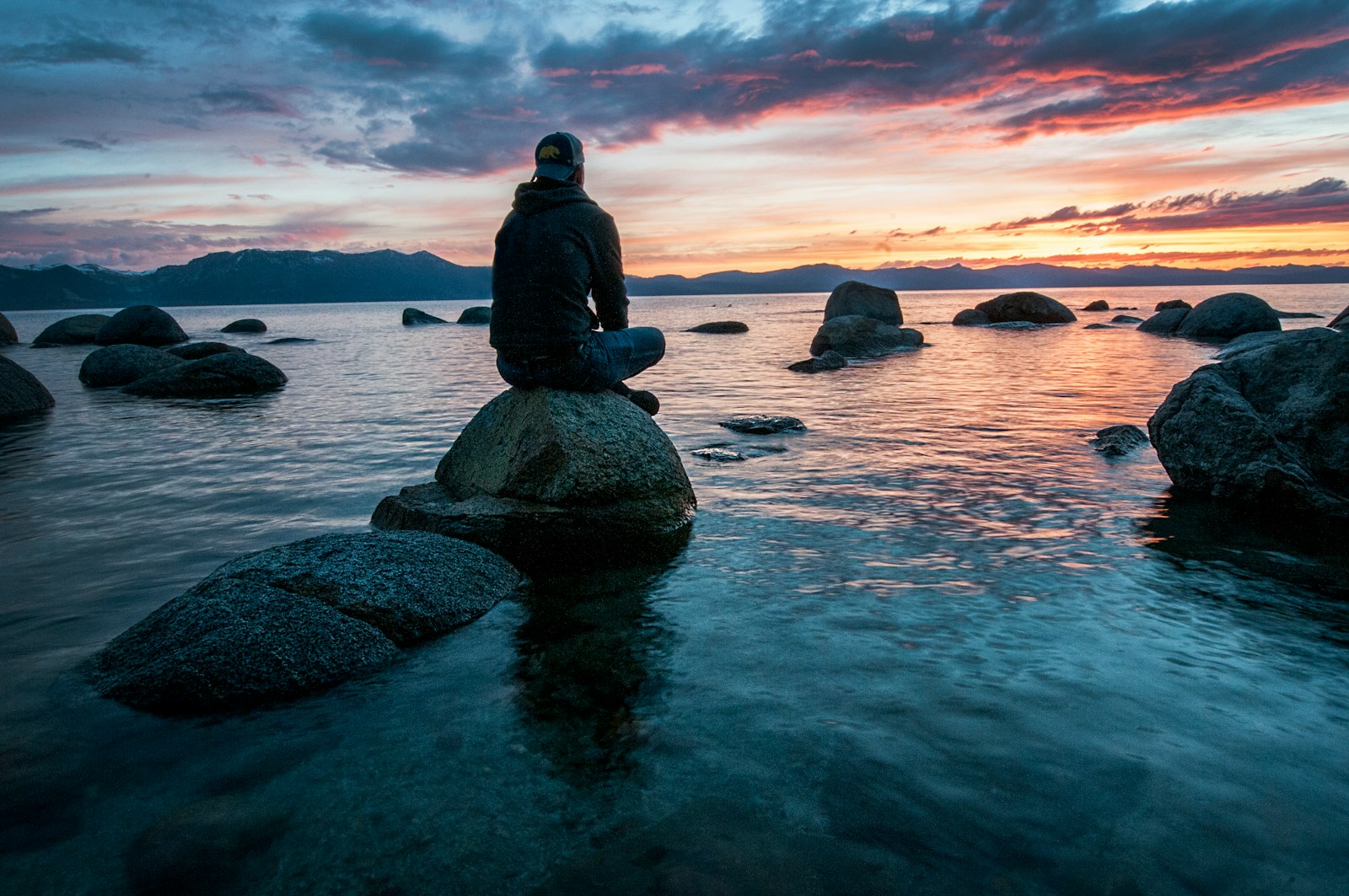
Lake Tahoe is one of those rare fisheries that can sell itself on scenery alone and still overdeliver once the rod comes out. The water is absurdly clear, the backdrop looks like a desktop wallpaper, and the fishery offers enough variety that both casual vacation anglers and serious cold-water trout hunters can have a real shot at memorable fish. The challenge is that Tahoe is not a simple “walk up and cast anywhere” destination. Its scale, depth, wind, and California–Nevada border all matter.
This guide is for anglers who want the practical version: what species are worth targeting, when to go, where to start, what tackle makes sense, and what to double-check before the trip.
At a Glance
| Detail | Info |
|---|---|
| Location | Sierra Nevada, on the California–Nevada border |
| Primary Species | Mackinaw (lake trout), rainbow trout, brown trout, kokanee salmon, smallmouth bass in some nearshore structure |
| Best Overall Season | Late spring through early fall |
| Can You Fish Year-Round? | Yes, but conditions and productive methods change sharply with season |
| Best For | Boat trolling, jigging for deep trout, summer kokanee trips, scenic shoreline fishing |
| Difficulty | Beginner-friendly from shore, intermediate to advanced for consistent boat success |
| Nearest Hubs | South Lake Tahoe, Tahoe City, Incline Village, Kings Beach |
| License Note | Tahoe spans California and Nevada — verify which state license rules apply where you plan to fish |
Why Fish Lake Tahoe?
Tahoe is the largest alpine lake in the United States, and that matters because it behaves differently from small trout lakes most travelers are used to. The water stays cold, fish suspend deep for much of the year, and weather can turn a calm morning into a rough afternoon fast. That sounds intimidating, but it also creates real opportunity.
The headline fish is Mackinaw, the local name for lake trout. They are available all year and are the reason many serious anglers bring downriggers, line-counter reels, sonar, and heavy jigging setups. During summer, kokanee salmon become another major draw, especially for anglers who want steady action and excellent table fare. Shore anglers still have a place here too, particularly in spring and fall when trout move shallower around marinas, inlets, and rocky points.
If your goal is “numbers,” there are easier destinations. If your goal is a scenic trip with a real chance at quality cold-water fish, Tahoe is a strong pick.
Where to Start: Best Zones Around the Lake
Instead of thinking in exact secret spots, think in productive zones.
South Lake Tahoe and the marina areas are the easiest starting point for visitors. There is good infrastructure, easy access, and plenty of charter traffic for a reason. Shore anglers can fish around legal public access zones near marinas, creek mouths, and rock transitions, while boat anglers have quick access to deep basins where Mackinaw roam.
Tahoe City and the Truckee River outlet are worth attention in the cooler parts of the year. Moving water and nearby structure can concentrate trout, though regulations and seasonal restrictions should always be checked before fishing any inlet or outlet area.
Kings Beach and the north shore give visiting anglers solid access to steep drop-offs without the same feel as the busier south shore. This area can be good for trolling passes and for shore fishing at low light.
Incline Village and the east shore are ideal if you want dramatic structure, clear water, and quick access to deep fish. The east side can be especially attractive for boat anglers looking to jig or troll over sharp contours.
In plain English: if you have a boat or book a guide, fish the deep basin structure; if you are shore-bound, focus on low-light periods near access points, rocky edges, and moving-water influence.
What Fish You Can Catch
Mackinaw (Lake Trout)
The signature Tahoe fish. Mackinaw like cold water and often hold deep, especially once the lake warms. Spring into early summer is a favorite window because fish can be more reachable, and many charter operators consider March through June prime time for larger fish. Jigging heavy spoons or soft plastics vertically can work when electronics show fish under the boat. Trolling with downriggers remains the standard method for covering water consistently.
Kokanee Salmon
Kokanee are a major summer target. They usually run smaller than trophy Mackinaw, but they make up for it with better table quality and fun, active trolling. Light trolling rods, small flashers, and kokanee-style lures or hoochies are standard. If you want family-friendly action from a boat, kokanee season is hard to ignore.
Rainbow and Brown Trout
These are the fish most shore anglers hope to encounter. They are more realistic targets around structure, colder months, and low-light windows. Spoons, inline spinners, small swimbaits, and natural bait rigs where legal can all play.
Bass and Warmwater Bonus Fish
Tahoe is not a classic bass lake, but smallmouth do show up around some rocky structure. They are more of a bonus target than the main event.
Best Times to Go
| Season | What to Expect | Best Targets |
|---|---|---|
| Late Winter–Spring | Cold water, less crowd pressure, big-trout potential | Mackinaw, rainbow trout |
| Early Summer | Strong all-around window before peak recreation traffic | Mackinaw, kokanee, rainbows |
| Mid–Late Summer | Scenic, busy, fish often deeper in bright conditions | Kokanee, deep Mackinaw |
| Fall | Cooling water, fewer tourists, better shore chances again | Trout from shore, Mackinaw |
| Winter | Fishable, but weather and access matter more | Mackinaw for prepared anglers |
If you only get one trip, late spring is the safest all-around recommendation. You avoid some peak summer boat chaos, keep solid trout potential, and still get relatively friendly weather.
Gear That Actually Makes Sense for Tahoe
For shore anglers:
- 7’ to 8’6” medium or medium-light spinning rod
- 2500–3000 size reel
- 8–10 lb braid with a fluorocarbon leader, or straight 6–10 lb mono
- Trout spoons, inline spinners, minnow plugs, small soft swimbaits
- Long-handled net for rocky banks
For boat anglers targeting Mackinaw:
- Medium-heavy trolling or jigging rod
- Line-counter reel or a reel with enough capacity for deeper presentations
- Downrigger setup for trolling if available
- Sonar/fish finder to locate suspended or bottom-related fish
- Heavy tube jigs, spoons, or soft plastics for vertical work
For summer kokanee:
- Softer trolling rod
- Light line and small terminal gear
- Dodgers/flashers with compact lures behind them
- Cooler with ice — kokanee quality drops fast if fish are left warm
One thing not to cheap out on: safety gear. Tahoe can go from postcard-calm to whitecaps fast, especially once afternoon wind builds.
License and Regulation Basics
The most important planning fact is simple: Lake Tahoe sits in both California and Nevada. The side you fish, the launch you use, and the species or area you target can affect which current rules matter. California requires a sport fishing license for anglers 16 and older, and Nevada has its own licensing system. Some charter situations may simplify things, but do not assume coverage — verify before launch.
Also double-check:
- season or area-specific restrictions near tributaries or river mouths
- current limits for trout and salmon species
- bait and gear rules where you plan to fish
- aquatic invasive species inspection requirements for your boat, if trailering
If you are traveling in, the smartest move is to check the current state wildlife pages and local marina or charter guidance the same week you fish.
Trip Planning Tips That Save Headaches
Start early. Morning is not just better for fishing; it is usually better for boat control. Wind often builds later in the day.
Respect the weather, not just the forecast app. Alpine lakes can change quickly. If you are renting a small boat, play this conservatively.
Shore fishing is best at low light. Midday sightseeing hours are often the prettiest time to be there and the worst time to expect easy shoreline action.
A guide makes sense here. Tahoe is a lake where electronics knowledge, trolling passes, and seasonal depth changes matter. A half-day with a good local captain can compress your learning curve dramatically.
Bring layers even in summer. Cold mornings at elevation feel colder on open water.
Keep expectations realistic. Tahoe is famous, but it is not a guaranteed easy limit lake. It is better approached as a premium experience fishery.
Final Verdict
Lake Tahoe is absolutely worth fishing if you like trout water, scenic destinations, and fisheries that reward a little planning. It is not the place I would send someone who wants the cheapest, easiest, highest-volume action. It is the place I would send someone who wants a beautiful Western trip with legitimate Mackinaw opportunity, useful summer kokanee action, and enough shoreline access to make a non-boat visit still worthwhile.
If you fish it smart — early starts, proper safety gear, realistic depth-focused tactics, and current regulation checks — Tahoe can be much more than a pretty lake. It can be the kind of trip you start planning again before you even drive home.