Lake Powell Fishing Guide: Stripers, Smallmouth, Launch Planning, and How to Fish This Desert Reservoir Right
A practical Lake Powell fishing guide covering striped bass and smallmouth patterns, launch planning, changing lake levels, tackle choices, and the Utah-Arizona rules to verify before you fish.
Lake Powell Fishing Guide: Stripers, Smallmouth, Launch Planning, and How to Fish This Desert Reservoir Right
Lake Powell is one of those fisheries that looks almost too dramatic to be real. The desert canyon walls, the long runs, the maze of arms and cuts, and the sheer amount of water make it feel more like a boating dream than a practical fishing destination.
That is exactly why people get it wrong.
A lot of first-time anglers show up expecting one simple pattern and one easy answer. Lake Powell usually gives you neither. It gives you opportunity instead. You can chase striped bass in open water, work rocky structure for smallmouth, pick at largemouth in the backs of cuts, or turn a family boating trip into a serious multi-species fishing weekend if you plan it correctly.
Current source checks before this article still point to the same core truth in 2026: Glen Canyon National Recreation Area remains open year-round, Lake Powell fishing still runs under Utah and Arizona reciprocity rules for licenses, and changing lake levels still affect launch planning enough that you should verify conditions before the trip instead of treating an old ramp note like gospel.
This guide keeps it practical: why the lake is worth the drive, what species are realistic, when to go, how to think about the water, what gear fits the lake, and which rules you should verify before launching.
At a Glance
| Detail | Info |
|---|---|
| Best Known For | Striped bass numbers, canyon scenery, and huge amounts of fishable water |
| Best Trip Styles | Boat-based DIY trips, houseboat add-on fishing days, multi-species family trips |
| Main Species | Striped bass, smallmouth bass, largemouth bass, crappie, walleye, bluegill, channel catfish |
| Best Overall Window | Spring and fall, with April through early June especially attractive for many anglers |
| Best For | Anglers who like open-water searching, rocky-structure fishing, and destination reservoir trips |
| Main Planning Variable | Lake level changes, ramp access, wind, and how far you are willing to run |
| License Note | A valid Utah or Arizona fishing license is recognized across Lake Powell; always verify current rules before launch |
Why Lake Powell Is Worth the Trip
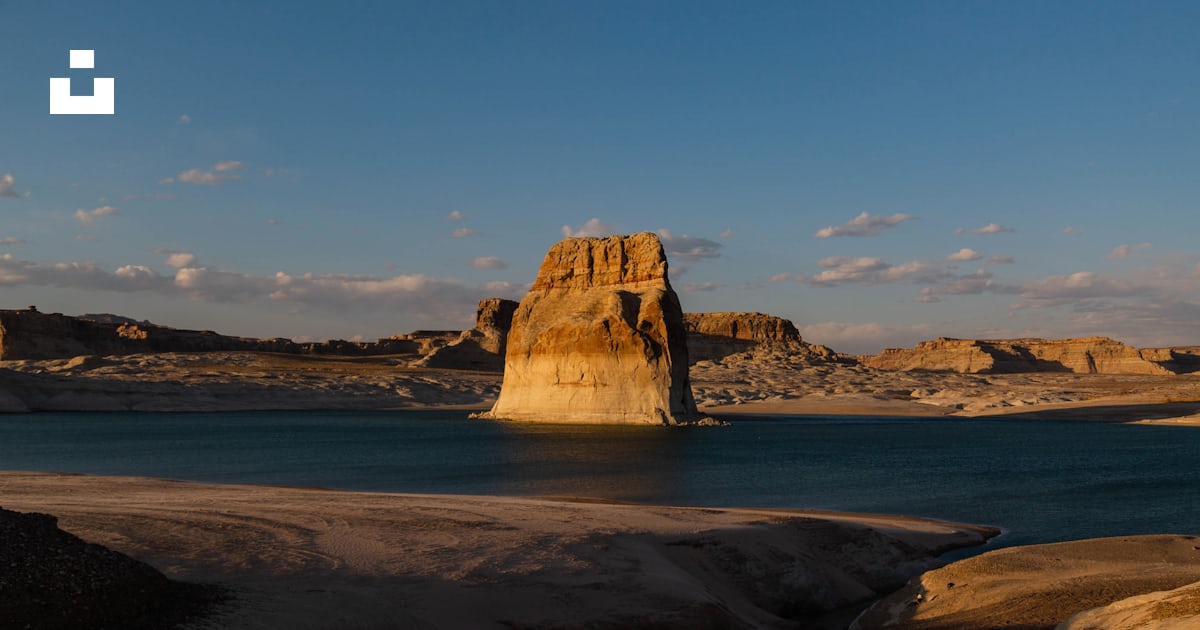
Lake Powell sits inside Glen Canyon National Recreation Area on the Utah-Arizona border, and it fishes like a giant western reservoir with more visual drama than most anglers are used to. You are not dealing with one obvious lake personality. Powell has steep canyon walls, main-channel basins, flooded structure, rocky points, marinas, long side canyons, shallow backs, and plenty of water that changes character with light, wind, and season.
That variety is the real draw.
Lake Powell is not just a place to blindly cast at pretty scenery. It gives anglers several practical paths to success:
- chase schools of striped bass with electronics, spoons, soft swimbaits, and topwater when they are active
- fish rocky banks, points, and ledges for smallmouth bass
- target largemouth in more protected cuts and shallower cover
- keep a mixed-bag plan when the main target gets difficult
The lake is also unusually good for anglers who do not want a one-species trip. If the stripers are not doing what you hoped, you can still salvage a day around bass, panfish, or catfish instead of just burning fuel and patience.
What You Can Realistically Target
Striped Bass
Striped bass are the headline species for many traveling anglers. The big advantage at Powell is that you are not only hunting trophies. You are often fishing for action, schools, and the chance to put together a genuinely busy day when bait and fish group up correctly.
In spring and fall, anglers often find stripers relating to bait, canyon mouths, points, breaks, and deeper open-water areas. Some days reward vertical presentations. Some days reward chasing surface activity. Some days punish anglers who refuse to look at their electronics and keep casting at pretty rock walls instead.
Smallmouth Bass
Smallmouth are a huge part of what makes Lake Powell so fun. Rocky structure is everywhere, and that means you can build a logical smallmouth pattern around points, chunk rock, ledges, and transition banks. If you like dragging plastics, fishing finesse rigs, or mixing in reaction baits when fish are active, Powell gives you a lot to work with.
Largemouth, Crappie, Walleye, Catfish, and Panfish
Largemouth matter most in more protected or cover-oriented water. Crappie and bluegill add family-trip value. Walleye are present and should not be treated like an accidental bonus. Channel catfish can give bank and marina-area anglers an easy second plan.
The main point is simple: Powell is broader than the striper marketing pitch.
Best Times to Go
If you want one clean answer, spring and fall are the safest starting points.
April through early June is especially attractive because a lot of anglers can combine comfortable weather with active fish, flexible species options, and a trip that does not feel like pure summer survival. Spring also lines up well with anglers who want to mix stripers and bass in the same outing.
Fall is another strong planning window because cooling water and feeding behavior often make the lake feel more manageable again after summer heat and heavy recreation pressure.
Summer can still produce, especially for boat-based families or anglers who know exactly what they are doing, but it comes with more heat, more recreational traffic, and a higher penalty for sloppy planning.
Winter is the least casual option, but it can reward anglers who like quieter water and are comfortable fishing deeper, slower patterns.
The smarter planning move is not chasing a single magic month. It is matching your trip style to the season:
- spring for variety and comfortable fishing days
- fall for another strong multi-species window
- summer if boating is part of the point and you accept the tradeoffs
How to Think About Lake Powell Water
The biggest beginner mistake at Powell is trying to fish all of it.
You cannot.
You need to think in zones.
Main Lake and Big Basin Areas
This is where many striper anglers spend their time searching for bait, suspended fish, and open-water activity. Electronics matter here. Blind casting can still work when fish push up, but the lake strongly rewards anglers who can find life before they start fishing hard.
Canyon Mouths and Points
These are classic transition areas. They can hold moving fish, feeding fish, and bass using rock and depth changes. If I were starting a trip without current local intel, I would trust good-looking points near deeper water faster than random bank stretches.
Rocky Banks and Structure for Smallmouth
Lake Powell gives smallmouth anglers miles of promising terrain, which is both a gift and a trap. Do not over-romanticize every pretty wall. Focus on places that give fish a reason to stop: chunk rock, tapering points, shelves, ledges, and transitions rather than pure featureless steepness.
Protected Cuts and Secondary Water
When wind builds or traffic gets annoying, more protected water becomes more than a comfort move. It can save the day. It is also where anglers often shift to largemouth, crappie, or backup bass plans instead of forcing an open-water bite that is not cooperating.
Launches, Access, and Why Conditions Matter So Much
This is the part too many articles underplay.
Lake Powell water levels change, and launch conditions can change with them. The National Park Service still advises anglers and visitors to check current alerts, conditions, and launch-ramp webcams before the trip. That is not filler advice. It is part of fishing the lake responsibly.
A smart first trip plan looks like this:
- choose a base area before you leave home
- verify which ramps are operating well for your boat size
- avoid building a day around one launch assumption from an old forum post
- keep wind and run distance in mind before deciding to chase water far away
Powell is large enough that bad launch planning can cost more time than bad lure selection.
Gear That Actually Fits Lake Powell
A practical Lake Powell setup usually includes:
- a medium spinning combo for spoons, jigging, dropshot work, and smaller soft baits
- a medium-heavy casting or spinning setup for swimbaits, topwater, and general striper work
- a finesse bass setup for smallmouth on plastics, tubes, Ned rigs, or dropshots
- a reaction-bait option for bass when fish are active around points and rock
- reliable electronics for finding bait, depth changes, and suspended fish
- polarized sunglasses because desert glare can be brutal
- enough water, sun protection, and safety gear to treat the day like a real western reservoir run, not a local pond trip
If you are traveling light, bring one striper-focused setup, one finesse bass combo, and one versatile moving-bait rod. That covers more of the lake than most people expect.
Regulations and License Notes
The most useful current rule for travelers is also the simplest: Lake Powell straddles Utah and Arizona, and a valid fishing license from either state is recognized across the lake.
That makes planning easier, but it does not mean you should ignore the regulation details. The current Glen Canyon National Recreation Area fishing page also notes important possession-limit language, including:
- 20 smallmouth bass
- 5 largemouth bass
- 10 crappie
- 25 channel catfish
- no limit on striped bass
- no limit on walleye
There are also method restrictions and protected-species rules that matter, especially if you move around different sections or fish connected water. Regulations can change, so do not rely on an article alone for your final legal check.
The safe move is simple: verify current Utah or Arizona regulations plus the latest Glen Canyon National Recreation Area page before your trip.
Final Verdict
Lake Powell is worth the trip if you treat it like a serious destination reservoir instead of a scenic backdrop with fish in it.
The winning attitude here is not “cover everything.” It is “pick a zone, match your gear to what the lake is doing, and let the conditions tell you whether the day belongs to stripers, smallmouth, or a mixed-bag plan.”
If you want the most practical spring formula, start with a manageable launch plan, use electronics to shorten the lake, keep a bass backup ready, and do not ignore current lake-level and ramp information before leaving the dock.
That is how Lake Powell stops feeling overwhelming and starts feeling like one of the best western fishing trips you can actually plan well.
Before you go in 2026, verify launch conditions, weather, and the latest Glen Canyon and state regulation updates. On a lake this big, clean planning is part of catching fish.