Kenai River Fishing Guide: Sockeye Seasons, Access, and How to Plan an Alaska Trip
A practical Kenai River fishing guide covering the river's salmon runs, trout opportunities, access points, seasonal timing, gear choices, and the Alaska regulations travelers need to verify before they go.
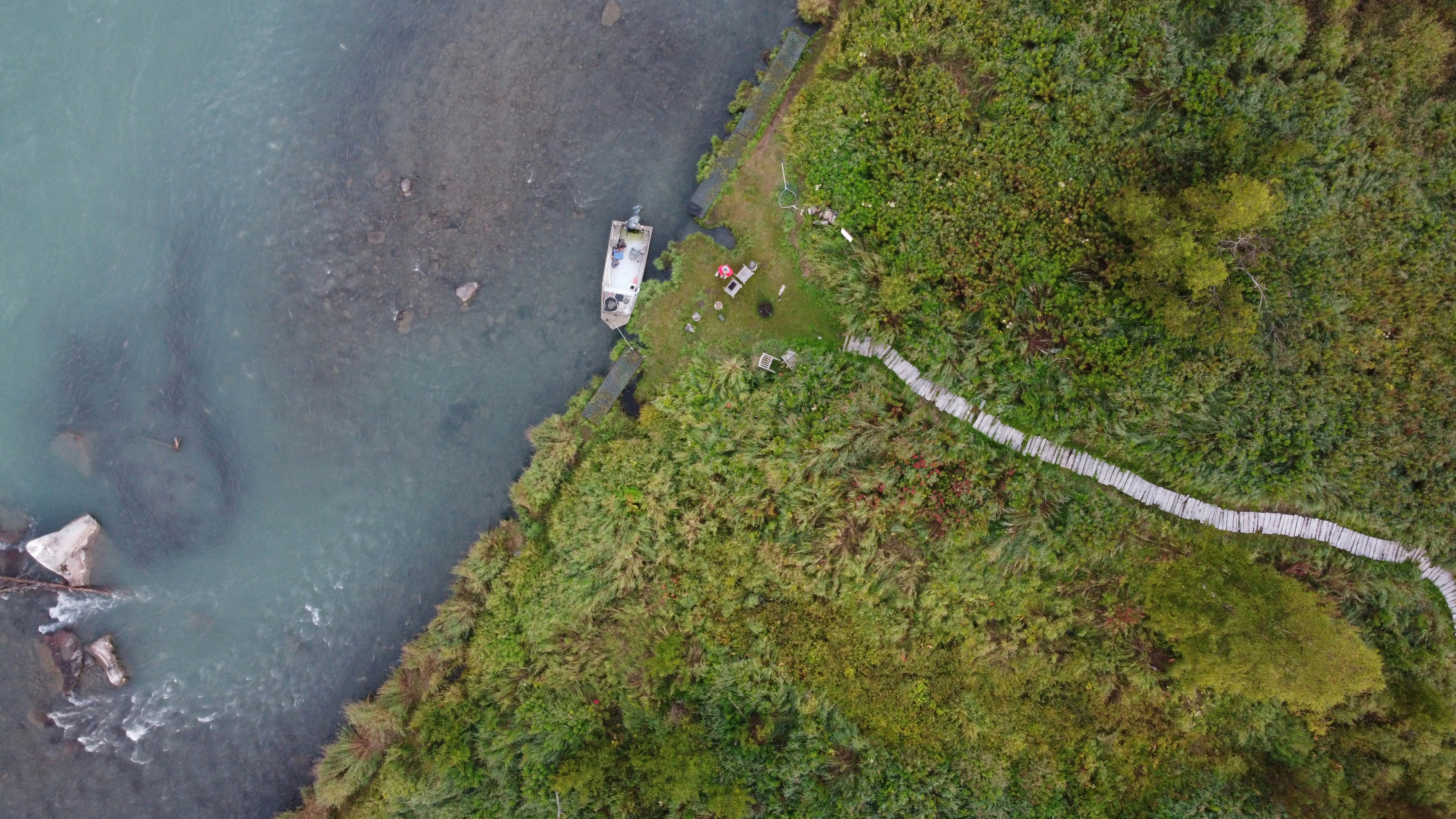
Kenai River Fishing Guide: Sockeye Seasons, Access, and How to Plan an Alaska Trip
The Kenai River is one of those places that stays on anglers’ bucket lists for good reason. It is scenic, productive, and unusually accessible for a fishery that can produce heavyweight salmon and memorable trout. You do not need a fly-out lodge or a bush plane to fish it. You do need realistic expectations, a flexible plan, and a willingness to verify regulations right before your trip.
That last point matters more than ever. The Kenai is famous for king salmon, but Alaska managers have tightened rules repeatedly when runs are weak. In 2026, travelers should treat the river as a fishery where opportunity can shift by species and by week. If you plan around sockeye, coho, rainbow trout, and Dolly Varden first, then view king salmon as a bonus only if regulations allow it, you will build a smarter trip.
This guide keeps it practical: what the Kenai is best known for, where different sections fish differently, when to visit, what gear actually makes sense, and what to confirm with Alaska Department of Fish and Game before you leave home.
At a Glance
| Detail | Info |
|---|---|
| Best Known For | Big salmon runs, strong road access, and a realistic DIY Alaska fishing trip |
| Main Species | Sockeye salmon, coho salmon, rainbow trout, Dolly Varden, pink salmon in even years, and king salmon when regulations allow |
| Best Overall Window | Mid-June through September, depending on the species you want |
| Best For | Traveling anglers who want Alaska scenery without fully remote logistics |
| Trip Styles | DIY bank fishing, drift trips, guide trips, and boat-based lower-river fishing |
| Main Planning Variable | In-season regulation changes and emergency orders |
| License Note | Nonresidents need an Alaska sport fishing license; king salmon stamp rules and harvest regulations can change quickly |
Why the Kenai River Is Worth the Trip
The best thing about the Kenai is that it offers a real Alaska experience without forcing every traveler into a complicated wilderness itinerary. You can fly into Anchorage, rent a car, and reach key sections of the river in a few hours. Cooper Landing, Soldotna, and Kenai make it practical to book lodging, launch a drift boat, hire a guide, or fish from shore depending on your goals and budget.
The river also gives anglers several different versions of a trip. Some readers want the classic sockeye push and the intensity that comes with it. Others want a coho trip later in the season, or a more balanced plan that mixes salmon fishing with chances at rainbow trout and Dolly Varden. The Kenai can support all of that, but it rewards anglers who plan around species timing instead of assuming every section fishes the same way all summer.
The tradeoff is pressure. This is not a secret river. The Kenai is busy during peak runs, boat traffic can be heavy, and regulations are taken seriously. If you go in with the mindset that convenience means easy fishing, the river can humble you fast. If you go in expecting crowds, changing rules, and species-specific strategy, it becomes much easier to appreciate what makes the place special.
What You Can Realistically Target
Sockeye Salmon
Sockeye are the safest centerpiece for many first-time Kenai trips. They are the species most travelers should build around if they want strong action and fewer regulation surprises than king salmon. Timing can vary, but mid-June into July is the headline stretch, with July often drawing the biggest attention. These fish are powerful, fast in current, and physically demanding enough to turn a short trip into a memorable one.
Coho Salmon
Coho are a great reason to target the Kenai later in the season. August into September is the broad window many anglers watch most closely. If you prefer a trip with slightly less peak-summer chaos than the most famous sockeye periods, coho timing can be very appealing. They also fit anglers who want a more cast-and-retrieve style instead of focusing only on one salmon method.
Rainbow Trout and Dolly Varden
These fish give the river some balance. They matter for anglers who want more than a single-species salmon run, and they can be especially attractive when paired with a guided float or a shoulder-season plan. They also give experienced anglers a reason to fish the Kenai even when they are not trying to fill a freezer.
Pink Salmon
Because 2026 is an even-numbered year, pink salmon are part of the conversation. They are not the main reason most readers will book a Kenai trip, but they can add action in the right period and are worth remembering if you want a mixed-species Alaska week.
King Salmon
King salmon are the name most non-anglers recognize, but they should not be the foundation of a 2026 plan unless you have checked current emergency orders very close to your travel dates. Restrictions, no-retention rules, or full closures can appear when returns are weak. Treat kings as the most uncertain piece of the river, not the most dependable one.
Best Times to Go
If you want the broadest answer, mid-June through September is the main Kenai River travel window.
Mid-June through July is the classic sockeye period. It is one of the most recognizable Alaska salmon experiences you can book without going fully remote. Expect crowds, book early, and plan on river conditions and regulations mattering as much as pure run timing.
Late July through September is stronger for coho and still keeps you in the heart of Alaska fishing season. This stretch can make sense for anglers who want a salmon-focused trip with a little less emphasis on the most famous peak-sockeye crowds.
Summer into early fall also keeps rainbow trout and Dolly Varden in play, depending on the section and current regulations.
The cleanest way to think about the Kenai is this: choose the species first, then choose the week. A vague “summer Alaska trip” is far less useful than saying “late-July coho trip” or “mid-July sockeye trip.”
How to Think About the River
The Kenai fishes differently from top to bottom, so dividing it into practical sections makes planning easier.
Upper River Around Cooper Landing
This is the prettier, more intimate version many travelers picture when they imagine an Alaska river. It is popular with float trips, scenery-focused travelers, and anglers who want access to the upper drainage feel rather than only the busier lower corridor. It is also a place where wading opportunities, drift logistics, and local etiquette matter.
Middle River Around Soldotna
This section is central for many travel plans because Soldotna makes lodging, launches, food, and guides easy to arrange. It is a practical base for readers who want options and do not want to overcomplicate the trip. It is also one of the places where boat pressure and crowd management can become part of the fishing equation.
Lower River Toward Kenai and Cook Inlet
The lower river is where many salmon-focused plans become more boat-oriented. If your goal is efficient coverage and current-season salmon opportunity, this part of the river often deserves serious consideration. It is also where conditions, tide influence, boat rules, and traffic discipline deserve extra respect.
Access and Trip Logistics
One reason the Kenai stays popular is that access is straightforward by Alaska standards. Anchorage is the usual flight hub, and the drive to the Kenai Peninsula is realistic for a DIY traveler. Cooper Landing, Soldotna, and Kenai all work as useful bases depending on which section you want to fish.
For a first trip, the smartest move is usually to simplify. Pick one base town, one primary species, and one backup plan. If sockeye are the headline goal, decide whether you are primarily a bank angler, a boat angler, or someone hiring a guide. If coho or trout are the focus, make sure your lodging and launch access match that goal instead of trying to cover the whole system in one rushed trip.
Peak-season lodging and guide calendars can tighten up well in advance, especially for the most famous salmon windows. If you are traveling in prime summer dates, waiting too long can leave you with worse access and more driving than the river deserves.
Gear That Actually Makes Sense Here
The Kenai is not a place where you want to under-pack for weather, current, or fish strength.
A practical Kenai loadout includes:
- a salmon-capable spinning setup with enough backbone for current and larger fish
- waders and boots suited to cold water and uneven footing
- a waterproof jacket, layered insulation, and gloves for ugly-weather days
- polarized sunglasses for reading current and protecting your eyes around crowded fisheries
- a large landing net and basic tackle storage that can handle travel and river mud
For trout and Dolly Varden, lighter tackle or fly gear may make sense, but the exact setup depends on your section and season. The bigger point is that Alaska weather can punish flimsy gear and bad layering decisions faster than many lower-48 destinations.
Regulations, Safety, and What to Verify
This is the most important planning section in the entire guide. Before fishing the Kenai, verify current rules through Alaska Department of Fish and Game and check for emergency orders close to your trip date.
At minimum, confirm:
- whether your target species is open to retention, catch and release, or closed
- current bag and possession limits
- hook, bait, and technique restrictions for the section you plan to fish
- bank closures, boat restrictions, and area boundaries
- whether king salmon stamp requirements apply to your plan
Also plan for ordinary Alaska realities: cold water, strong current, changing weather, wildlife, and heavy angling pressure in popular zones. Wear a life jacket in boats, do not crowd other anglers, and assume conditions can change faster than a static blog post ever can.
Final Verdict
The Kenai River deserves its reputation, but not for the lazy reason that it is simply “famous.” It deserves it because it gives traveling anglers a rare combination of quality fish, serious scenery, and practical access. That combination is hard to find anywhere else at this level.
For 2026, the best version of a Kenai trip is probably not a king-salmon-or-bust gamble. It is a flexible Alaska plan built around sockeye, coho, and trout opportunities, with regulations checked right up to departure. Do that, and the Kenai becomes exactly what many anglers want it to be: a real Alaska fishing trip that is ambitious, memorable, and still logistically doable.