How to Spool a Spinning Reel for Beginners: A No-Twist 2026 Guide
A practical beginner guide to spooling a spinning reel with mono, braid, or fluorocarbon leader, including line amount, twist checks, backing, knots, and first-trip fixes.
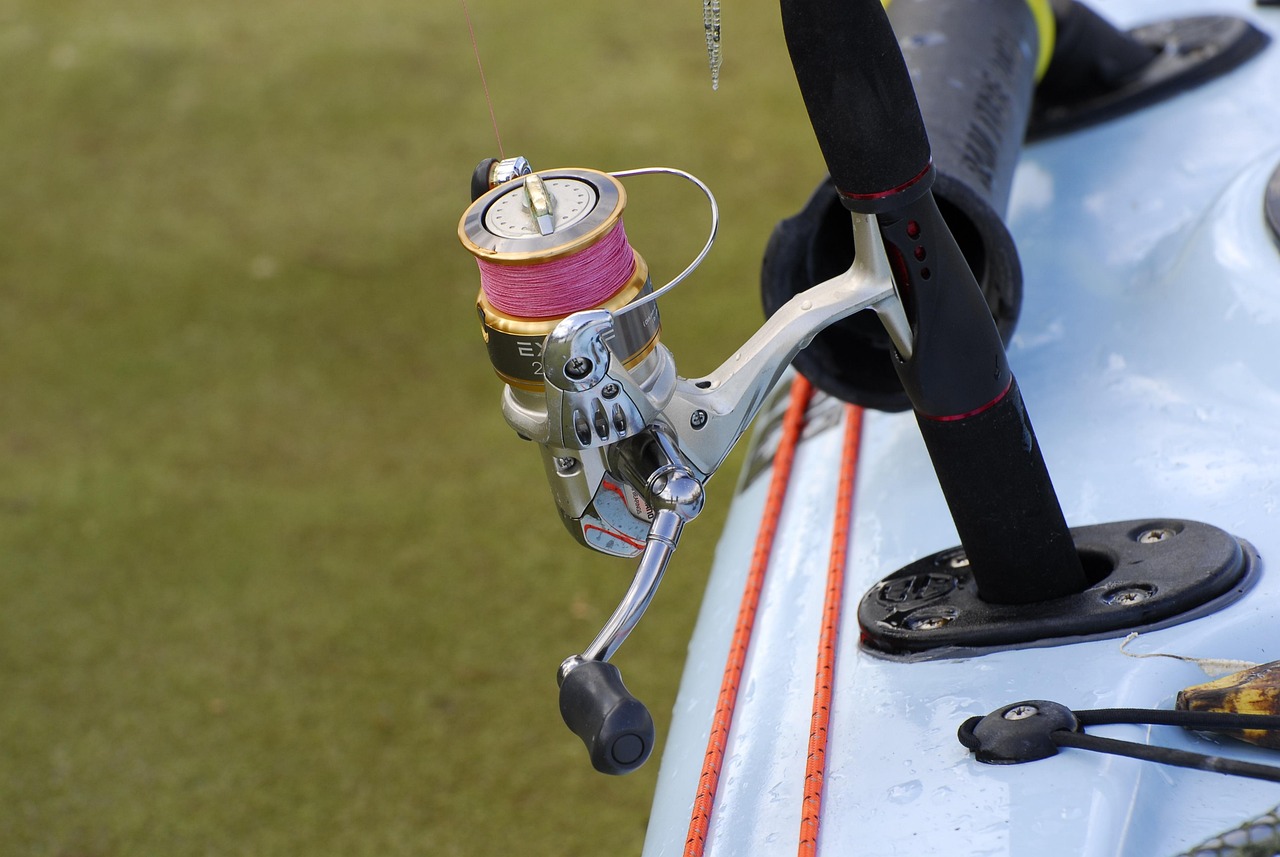
The short answer: To spool a spinning reel cleanly, match the line to the reel size, keep steady tension on the line, fill the spool to about 1/8 inch below the lip, and stop immediately if coils or loops start jumping off the reel. Most beginners should start with 6- to 10-pound monofilament because it is cheap, forgiving, and easy to fix if the first attempt is not perfect.
Bad line spooling makes a good reel feel broken. You get loops on the first cast, knots near the first guide, short distance, and line that peels off the spool in loose coils. Most of that is not a reel problem. It is usually too much line, line twisted onto the spool, weak tension during spooling, or line that is too heavy for the reel.
This guide keeps the process simple enough for a first setup, while still covering the details that prevent wind knots later.
What you need before you start
For a basic spinning reel, gather:
- the reel mounted on a rod
- one spool of fishing line
- scissors or line cutters
- a small towel or damp cloth
- tape or an arbor knot for starting the line
- optional mono backing if you are using braid
Mounting the reel on the rod matters. Running the line through the first guide or two helps the line enter the reel at a natural angle and makes it easier to keep tension.
Pick the right line size first
Spooling problems often start before the line touches the reel. If the line is too thick, it will jump off a spinning reel in coils no matter how carefully you load it.
Use these beginner starting points:
| Reel size | Easy beginner line |
|---|---|
| 1000-2000 | 4-6 lb mono for panfish and trout |
| 2500 | 6-10 lb mono for general freshwater |
| 3000 | 8-12 lb mono or 10-15 lb braid |
| 4000 | 10-15 lb mono or 15-20 lb braid |
If you are unsure, use 8-pound mono on a 2500-size reel. It is the easiest middle ground for ponds, stocked trout, bluegill, crappie, and beginner bass fishing.
Step 1: Run the line through the rod guides
Open the bail on the spinning reel before tying anything. This is the small wire arm that flips over the spool.
Run the line from the supply spool through the first large guide nearest the reel. You can run it through every guide if you want, but one or two guides is enough for spooling.
Do not skip opening the bail. If you tie the line on with the bail closed, you will have to cut it off and start over.
Step 2: Tie line to the reel spool
For monofilament or fluorocarbon main line, tie an arbor knot around the reel spool. Pull it snug, trim the tag end, and make sure the knot grips.
For braid, do not tie slick braid directly to a bare metal spool unless the reel is braid-ready. It may spin around the spool under pressure. Use one of these fixes:
- add a few wraps of electrical tape to the spool arbor
- start with 10 to 20 yards of monofilament backing
- use the rubber grip band if your reel spool has one
Mono backing is the cleanest beginner method. Tie mono to the spool first, wind on enough to cover the arbor, then connect braid to the mono with a double uni knot or another compact line-to-line knot.
Step 3: Close the bail by hand
After the line is tied to the spool, close the bail with your hand. Do not crank the handle to snap it closed.
That habit matters after you start fishing, too. Closing the bail manually helps reduce loose loops, which are one of the main causes of wind knots on spinning reels.
Step 4: Keep steady tension while you wind
Hold the line between your fingers with a damp cloth or towel, then start reeling slowly. You want firm, steady tension, not a death grip. The line should pack neatly onto the spool without cutting your fingers.
If line goes on too loosely, it can dig, loop, or bury later. If you pull too hard, you can stretch light mono or make the process awkward. Smooth and even is the goal.
Step 5: Check for twist every 15 to 20 cranks
This is the part most beginners skip.
After 15 to 20 handle turns, stop and lower the rod tip slightly. If loose coils begin jumping off the reel, the supply spool is feeding line with twist. Flip the supply spool over and continue.
There is no universal label-side-up rule that works for every line spool and every reel. The correct direction is the one that lays line onto your reel without creating coils. Check early, then keep going once the line behaves.
Step 6: Stop at the right fill level
A spinning reel should usually be filled to about 1/8 inch below the spool lip. That small gap matters.
Underfilling causes short casts because the line has to climb over a taller spool edge. Overfilling causes loops, tangles, and line spilling off the reel before you even cast.
If you are new and worried about overfilling, stop a little short. A slightly underfilled reel is less efficient, but an overfilled reel can ruin the first trip.
Step 7: Cut the line and tie on a simple rig
Once the reel is filled, cut the line from the supply spool. Run the line through the rest of the rod guides, then tie on a hook, lure, swivel, or practice plug.
Before fishing, pull line against the drag and make sure it comes off smoothly. If the drag is locked down, loosen it until line slips under firm pressure.
How to spool braid on a spinning reel
Braid works well on spinning reels, but it benefits from a different setup than mono.
Use this beginner braid plan:
- Add mono backing to prevent slipping and save money.
- Connect braid to backing with a compact line-to-line knot.
- Keep more tension than you would with mono.
- Fill to the same 1/8-inch gap below the spool lip.
- Add a fluorocarbon or mono leader for clear water or abrasion.
For bass and general freshwater spinning, 10- to 15-pound braid with a 6- to 10-pound leader is a practical starting point. For light inshore fishing, 15- to 20-pound braid with a stronger leader is common, but match it to local fish and structure.
Should beginners use fluorocarbon as main line?
Usually, no. Fluorocarbon can be excellent leader material, but heavier fluoro is stiff on spinning reels and can spring off in coils.
If you want the benefit of fluorocarbon, use it as a leader:
- 4-6 lb leader for trout and panfish
- 6-10 lb leader for finesse bass
- 10-12 lb leader for walleye and mixed freshwater
- 15-25 lb leader for light inshore fishing
That gives you better abrasion resistance and lower visibility near the bait without making the whole reel harder to manage.
Fixing common spooling problems
Line jumps off the spool: You probably overfilled the reel, used line that is too heavy, or added twist during spooling. Remove some line first. If it still coils badly, respool with lighter mono.
Casting distance is poor: The reel may be underfilled, the line may be too thick, or the lure may be too light for the rod. Fill closer to the spool lip and match lure weight to the rod rating.
Wind knots keep forming: Close the bail by hand, keep light tension before reeling, avoid cranking against loose slack, and check that the spool is not overfilled.
Braid slips on the spool: Add mono backing or tape to the spool arbor, then respool under firm tension.
Line digs into itself: This usually happens with loose braid or hard hooksets after slack line. Spool braid tighter and pull out buried sections before casting again.
A simple first-spool recipe
If you want the easiest beginner setup, use this:
- 2500-size spinning reel
- 6’6” to 7’ medium-light or medium spinning rod
- 8-pound monofilament
- spool filled 1/8 inch below the lip
- improved clinch knot or Palomar knot for hooks and lures
- drag set so line slips under firm hand pressure
This setup is not specialized, but it is forgiving. It casts small bait rigs, bobbers, inline spinners, soft plastics, and many beginner lures without demanding perfect line management.
Final pre-trip check
Before your first cast, pull 20 to 30 feet of line off the reel and reel it back under light finger tension. Watch the spool. The line should lay evenly from top to bottom without obvious humps, loose loops, or sudden piles at one end.
Then make a few short practice casts before throwing hard. Most line problems reveal themselves early. Fixing them in the yard or at the boat ramp is much easier than trying to untangle a full spool while fish are feeding.
A spinning reel does not need a complicated setup to work well. It needs the right line size, clean tension, a sensible fill level, and a few habits that keep slack under control.