How to Catch Walleye: A Practical 2026 Guide for More Fish in Every Season
Learn how to catch walleye with practical advice on where they hold, the best jig, live-bait, trolling, and slip-bobber setups, plus seasonal adjustments that help beginners get bites faster.
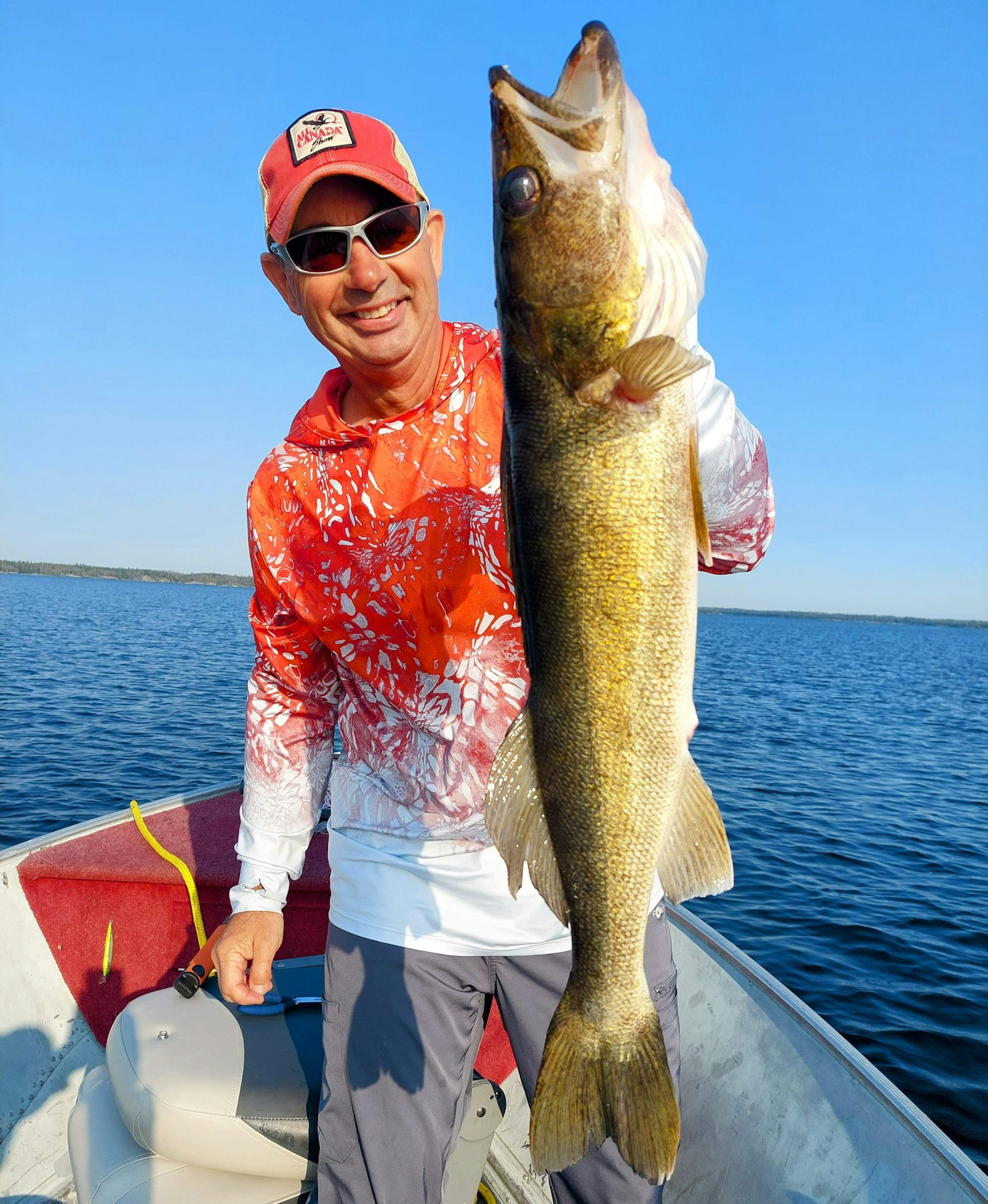
How to Catch Walleye: A Practical 2026 Guide for More Fish in Every Season
Quick Overview: If you want to catch more walleye, think in terms of low light, baitfish, structure, and depth changes. Walleyes are famous for feeding best at dawn, dusk, on windy banks, and around current seams, reefs, weed edges, and drop-offs. For most anglers, the simplest starting point is a 6’6” to 7’ medium-light spinning setup, 10-pound braid with a fluorocarbon leader, and a small jig tipped with a minnow, soft plastic, or nightcrawler.
Walleye are one of the best freshwater fish to learn because they reward pattern-finding more than luck. They are not random. When you understand where they move with season, light, and forage, the whole game gets easier. Recent 2026 refreshes from Field & Stream, Anglers Booking, and seasonal walleye pattern guides all point to the same core truth: walleye are mobile fish that follow food, prefer manageable light levels, and become much easier to catch when you match presentation speed to season.
That means two things. First, you should stop blind-casting water that looks good to humans but has no bait or structure. Second, you do not need a boat full of specialty tackle to get started. A few high-confidence presentations cover most walleye situations well.
Understanding Walleye Behavior
Walleye are built to hunt in conditions where other predators lose efficiency. Their eyes give them an edge in low-light windows, stained water, and deeper structure-oriented zones. That is why so many productive bites happen early, late, after sunset, or when wind and clouds cut light penetration.
They are also more mobile than many beginners expect. On lakes, they commonly move between shallow feeding shelves and deeper daytime holding water. On rivers, they use current breaks, channel edges, bridge areas, wing dams, and seams where food gets delivered without forcing them to fight heavy flow all day.
The fastest way to understand walleye positioning is to ask four questions:
- Where is the bait? If baitfish are absent, walleye often are too.
- What depth is most comfortable right now? Spring usually means shallower fish; summer often pushes them deeper or toward low-light feeding windows.
- What structure concentrates them? Reefs, points, humps, gravel bars, channel turns, weed edges, and current seams all matter.
- How aggressive are they? Some days they want a moving crankbait. On others, a slow jig or live-bait rig wins easily.
Best Gear Setup for Walleye
You can keep your tackle simple and still be well prepared.
Everyday spinning setup
- Rod: 6’6” to 7’0” medium-light or medium power, fast action
- Reel: 2500 size spinning reel
- Main line: 8-10 lb braid
- Leader: 8-12 lb fluorocarbon
This is the best all-around setup for jigging, casting small swimbaits, fishing a slip bobber, and working light live-bait rigs. The braid helps you feel subtle bites, and the fluorocarbon leader adds abrasion resistance and lower visibility.
Jigging and river setup
- Rod: 6’3” to 6’10” medium-light, extra-fast or fast action
- Line: 10 lb braid to 8-10 lb fluorocarbon leader
- Jig sizes: 1/8 oz to 1/4 oz most of the time; go heavier in current or deeper water
Trolling or bigger-water setup
- Rod: 7’0” to 8’6” moderate action depending on technique
- Reel: line-counter reel or a larger spinning setup
- Line: 10-14 lb mono or braid with leader depending on the lure style
If you are new, start with one spinning combo first. It handles the widest range of productive walleye techniques.
Four Techniques That Catch Walleye Consistently
1. Jig and minnow or soft plastic
This is the highest-confidence method for most anglers. Cast or vertically fish a jig around points, channel edges, weed lines, humps, rocky flats, bridge current breaks, or below dams. Lift just enough to keep contact, then let the jig fall naturally.
Why it works: Walleye often feed near bottom and react well to a compact presentation that stays in the strike zone.
Good starting range:
- 1/8 oz in shallow or calm water
- 1/4 oz in moderate depth or light current
- 3/8 oz and up when current or depth demand it
Common mistake: Fishing too fast. Many walleye bites happen on the fall or during a pause.
2. Slip-bobber and live bait
When fish are located but not chasing, a slip bobber can be deadly. Set the stop so your bait hangs just above the fish or slightly off bottom. This is especially strong in evenings, around weed edges, rock transitions, and calm post-frontal conditions.
Best baits: leeches where legal and available, small minnows, or half a nightcrawler.
Why it works: It suspends a natural offering in one depth window without constantly pulling it away from neutral fish.
3. Live-bait rig or crawler harness
When fish are spread along flats, contour lines, or transition edges, a slow live-bait rig helps you cover water without losing finesse. Bottom-bouncer and spinner harness systems are especially useful when fish want something moving but not fast.
Why it works: It combines scent, flash, and a near-bottom path that appeals to traveling fish.
4. Trolling crankbaits
This is one of the best ways to find active fish on large water. Trolling shines on summer basins, long breaklines, expansive reef systems, and during evening or night bites when fish push shallower.
Why it works: It covers water efficiently and lets you dial in productive depth and speed.
Common mistake: Trolling one depth all day without adjusting to light, wind, and bait movement.
Seasonal Walleye Guide
Spring
Spring is one of the easiest times to contact walleye because fish move shallower around spawning areas and nearby recovery zones. Focus on river mouths, gravel, rock, current seams, and adjacent flats.
Best presentations: jigs with minnows, blade baits, suspending minnow baits, slow live-bait rigs
Key idea: Post-spawn fish often slide just off obvious spawning areas rather than staying on them all day.
Summer
As water warms, many walleye shift deeper during bright periods and feed best during dawn, dusk, after dark, or on windy and overcast days. Deep weed edges, humps, saddles, reefs, and contour breaks become major players.
Best presentations: jigging, crawler harnesses, trolling crankbaits, slip bobbers in evening windows
Key idea: Do not assume summer means no shallow bite. On windy shorelines and after sunset, fish often move up to feed.
Fall
Fall is a feeding season, and many anglers love it because fish become more predictable around bait. They often use points, narrows, rocky edges, and travel routes between basins and shallower feeding shelves.
Best presentations: jigs, minnows, blade baits, trolling crankbaits, swimbaits
Key idea: If fish seem scattered, intercept movement zones instead of camping one spot too long.
Winter
In ice country, walleye remain catchable all winter, especially around early and late low-light periods. Points, drop-offs, weed edges, and deeper basin transitions matter.
Best presentations: jigging spoons, jigging minnows, deadsticks with live bait where legal
Key idea: Keep your cadence controlled. Cold-water fish punish overworking the bait.
Where to Find Walleye Fast
If you show up at a new lake or river, start with these high-percentage areas:
- windblown points
- rocky humps and reefs
- outside weed edges
- gravel bars and ledges
- current seams below dams or bridges
- channel turns and drop-offs
- saddle areas connecting structure
On many waters, electronics help a lot. But even without advanced sonar, depth changes, wind exposure, and visible current breaks will narrow the search quickly.
Best Baits and Lures for Beginners
If you want a short shopping list, buy these first:
- Round jig heads in 1/8 oz and 1/4 oz
- Minnow-style soft plastics in natural baitfish colors
- Slip-bobber kit with stops, beads, and hooks
- Suspending jerkbait or shallow crankbait for spring and low-light windows
- Crawler harness or spinner rig for covering summer structure
Natural baitfish shades, perch-like patterns, white, silver, chartreuse accents, and glow options all have their place. In clear water, start natural. In stained water or low light, brighter accents can help fish track the bait.
Final Practical Tips
- Fish dawn, dusk, wind, and clouds first when possible.
- If you are not contacting fish, change depth before you change ten lure colors.
- Keep your lure near the bottom third of the water column most of the time.
- Slow down when the bite gets tough.
- Check local regulations every trip because seasons, size limits, live-bait rules, and harvest limits vary a lot by state and province.
Walleye fishing gets much easier once you stop thinking of them as mysterious and start treating them like mobile, structure-oriented, low-light predators. Find the food, stay near the right depth, and present something they can catch easily. Do that consistently, and you will catch more walleye than the angler who just keeps casting pretty water.