How to Catch Striped Bass: A Practical 2026 Guide for Surf, River, and Bay Anglers
Learn how to catch striped bass with practical advice on migration timing, surf and bay locations, bait and lure choices, and balanced tackle for shore, kayak, and boat anglers.
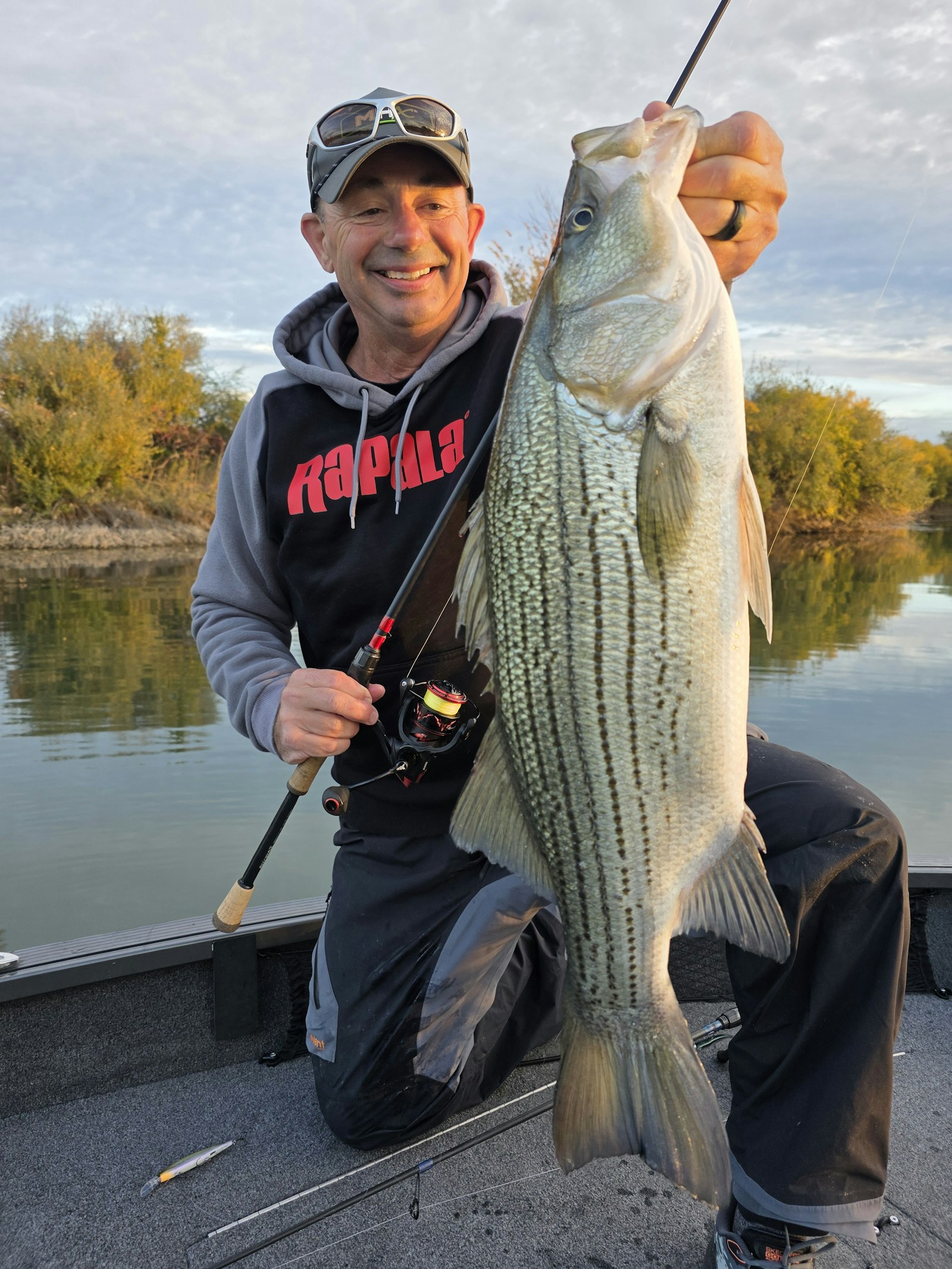
How to Catch Striped Bass: A Practical 2026 Guide for Surf, River, and Bay Anglers
Quick Overview: If you want a fish that can be caught from the beach, a bridge, a back-bay flat, a tidal river, or a boat drifting live bait over structure, striped bass are hard to beat. For most anglers, the best all-around setup is a 7- to 9-foot medium-heavy rod, a 3000 to 5000 size spinning reel for lighter inshore work or a 5000 to 6000 size reel for surf and heavier current, and 20- to 30-pound braid with a 20- to 40-pound leader. Start with bucktails, paddle tails, minnow plugs, pencil poppers, or live bait on circle hooks, then focus on current seams, points, inlets, bridges, flats near channels, rock piles, and bait-rich shorelines.
Recent 2025-2026 striped bass reports, migration coverage, and tackle guidance all keep circling back to the same basic truth: striped bass are easier to find when you follow bait, tide, and water temperature instead of obsessing over one magic lure. The fish may roam, but they usually do not roam randomly. They slide along structure, use current to trap food, and shift fast when bait schools move.
That is why striped bass remain one of the best species for anglers who like a practical approach. You can keep it simple, fish from shore or from a small boat, and still have a real shot at memorable fish if you understand seasonal movement and feeding lanes.
Understanding Striped Bass Behavior
Striped bass are predators built around movement. They follow forage, use moving water well, and often set up where current delivers food with the least effort. In tidal rivers and estuaries, that means channel edges, creek mouths, bridge shadow lines, points, sod banks, riprap, and flats close to deeper escape water. In open coastal areas, look for inlets, beaches with bait, rocky points, jetties, nearshore rips, and bars with defined current flow.
Spring reports from Atlantic coast fisheries, charter coverage, and migration trackers keep reinforcing a pattern many anglers already know: fish push into rivers, bays, and estuaries as water warms and bait becomes more concentrated. Some are migratory fish moving with the season, while others are local holdovers or resident reservoir fish. Either way, striped bass become far easier to pattern once you stop thinking of them as random cruisers and start thinking in terms of travel routes between deep water, current, and bait.
Another useful point from current striped bass coverage is that low light still matters. Dawn, dusk, overcast weather, and moving tides often produce the most consistent bite windows. Big bass can certainly feed in full daylight, especially around heavy current or dense bait, but many average anglers do better when they line up their time around tide changes and softer light.
Best Gear Setup for Striped Bass
You do not need a truckload of tackle to catch stripers consistently. A small number of balanced setups covers most situations.
Best all-around inshore setup
- Rod: 7’ to 8’6” medium-heavy spinning rod
- Reel: 3000 to 5000 size spinning reel
- Main line: 20- to 30-pound braid
- Leader: 20- to 30-pound fluorocarbon or mono
That setup works for back bays, tidal rivers, docks, bridges, kayak fishing, school-size fish, and lighter surf work. It handles bucktails, soft plastics, small swimmers, and topwaters well.
Best surf and heavier current setup
- Rod: 9’ to 10’6” medium-heavy surf rod
- Reel: 5000 to 6000 size spinning reel
- Main line: 30-pound braid
- Leader: 30- to 40-pound shock leader or bite leader
That gives you more casting range and better control in sweeping current, around rocks, or when throwing larger plugs and heavier jigs.
If you fish live bait from boats or large rivers, moving to a stronger rod with a reel that manages drag smoothly is smart. The goal is not just stopping fish. It is controlling them around current, bridge pilings, rocks, and other structure without using tackle so heavy that smaller bass stop being fun.
Best Lures, Baits, and Rigs
A lot of striped bass tackle works. The trick is matching it to bait size, current, and where in the water column fish are feeding.
Bucktails and paddle tails
Bucktails remain one of the most reliable striped bass options because they imitate a wide range of forage and stay effective in current. Pair them with trailers or use soft paddle tails on jig heads when fish are feeding lower in the water column. These shine around inlets, bridges, channels, and flats with moving water.
Minnow plugs and swimming plugs
When fish are feeding on larger bait such as bunker, herring, or mullet, minnow plugs and swimming plugs are excellent search tools. They also work well at night around current edges, beaches, and rocky structure where a steady retrieve can keep the lure in the strike zone for a long time.
Pencil poppers and other topwaters
When bass are pushing bait high in the water or feeding aggressively on the surface, a pencil popper or other topwater can be the fastest way to cover water and draw larger fish. Current surf and coastal guidance still treats pencil poppers as a major tool whenever bass are keyed on bigger bait near the surface.
Live bait and natural bait
Live eels, bunker, herring, menhaden chunks, clams, and other natural baits still produce, especially when the bite is slow or when anglers are targeting larger fish. Use circle hooks where required and where practical. They are better for fish care and usually hook fish cleanly near the corner of the jaw.
The simple rule is this: if bass are on small bait, downsize; if they are on large bunker or herring, throw a bigger profile. Many slow days become productive once your offering matches the bait the fish are already chasing.
Where to Find Striped Bass First
If you show up to new water and want the highest-percentage starting plan, begin with these areas:
- inlets with moving water and bait
- bridges, shadow lines, and current breaks
- points and riprap banks near channels
- back-bay flats next to deeper troughs
- rock piles, rips, and jetty edges
- tidal creek mouths
- beaches with visible bait, bird activity, or cooler moving water
For shore anglers, one of the biggest mistakes is staying in the widest, easiest stretch of beach even when it looks lifeless. Stripers like features. A subtle trough, an outflow, a point, a bridge corner, or a rip line often matters far more than a long empty bank that simply looks scenic.
A better question is: where can striped bass pin bait or intercept it with help from current? That usually leads you to structure, seams, and edges rather than random open water.
Seasonal Guide for More Striped Bass
Spring
Spring is prime time in many striped bass fisheries. As water warms, fish move into bays, estuaries, rivers, and coastal staging areas. This is when anglers should focus hard on river mouths, channel edges, warming flats, bridges, sod banks, and early bait movement. In some places, outgoing tides are especially productive because they sweep forage out of marshes and creeks.
This is also a season when soft plastics, bucktails, smaller swimmers, and natural bait all produce. Do not ignore shallow water. On warming trends, bass often push surprisingly shallow to feed.
Summer
Summer striped bass often become more sensitive to heat, light, and oxygen. In many fisheries, that means the best action shifts toward low light, night fishing, deeper rips, cooler inlets, bridges, oceanfront structure, and moving water with strong bait presence. If daytime fishing slows, fish later, fish earlier, or move to deeper, cooler water.
Summer is also the season when matching forage really matters. If fish are on bunker schools, larger profiles make sense. If they are feeding on sand eels, silversides, or smaller bait, a slimmer and more subtle presentation is usually better.
Fall
Fall is another major striper season because bait and bass often move together in a more predictable way. Focus on beaches, inlets, staging points, bay mouths, rip lines, and current edges where bait gets compressed. Wind, bird activity, and visible bait schools become especially valuable clues.
This is when many anglers keep one rod ready with a search plug and another with a jig or soft plastic. Once you find active fish, you can fine-tune quickly.
Winter
Winter opportunities depend heavily on region. In milder estuaries, tidal rivers, and some reservoirs, holdover fish remain catchable. Slow down, fish deeper channels, warmwater discharges where legal, and stable current areas. Smaller soft plastics, live bait, and slower presentations usually outperform aggressive fast-moving approaches.
Practical Tips That Help Right Away
- Fish the tide, not just the clock. A good tide window on an average day often beats a bad tide window on a perfect day.
- Watch the bait first. If bait is absent, keep moving until you find signs of life.
- Carry a small range of lure sizes. Match the hatch instead of forcing one favorite plug.
- Use leaders that fit the cover. Open flats allow lighter leaders; rocks and jetties usually do not.
- Do not overlook night fishing. Many larger striped bass feed more confidently after dark.
- Handle fish carefully, especially bigger bass. Faster releases and in-water control matter.
- Check current regulations before every trip. Striped bass rules can change and vary by state and season.
Final Word
If you want the simplest reliable striped bass plan for 2026, start with a balanced medium-heavy outfit, a small selection of bucktails, paddle tails, plugs, and circle-hook bait rigs, then spend most of your energy reading tide, current, structure, and bait movement. Think in terms of intercepts rather than blind casting. Where can bass trap food? Where can they slide from deep water into feeding water without wasting energy?
Striped bass reward anglers who stay mobile and pay attention. You do not need twenty rods or a giant boat to catch them. You need to find bait, understand the tide, and put a realistic presentation in the right lane. Once those pieces start to connect, striped bass fishing becomes much less mysterious and a lot more repeatable.