How to Catch Salmon: A Practical 2026 Guide for Rivers, Great Lakes, and Spring Runs
Learn how to catch salmon with practical advice on river runs, migratory timing, shore and boat tactics, proven lures and bait, and balanced tackle for Chinook, coho, and other salmon opportunities.
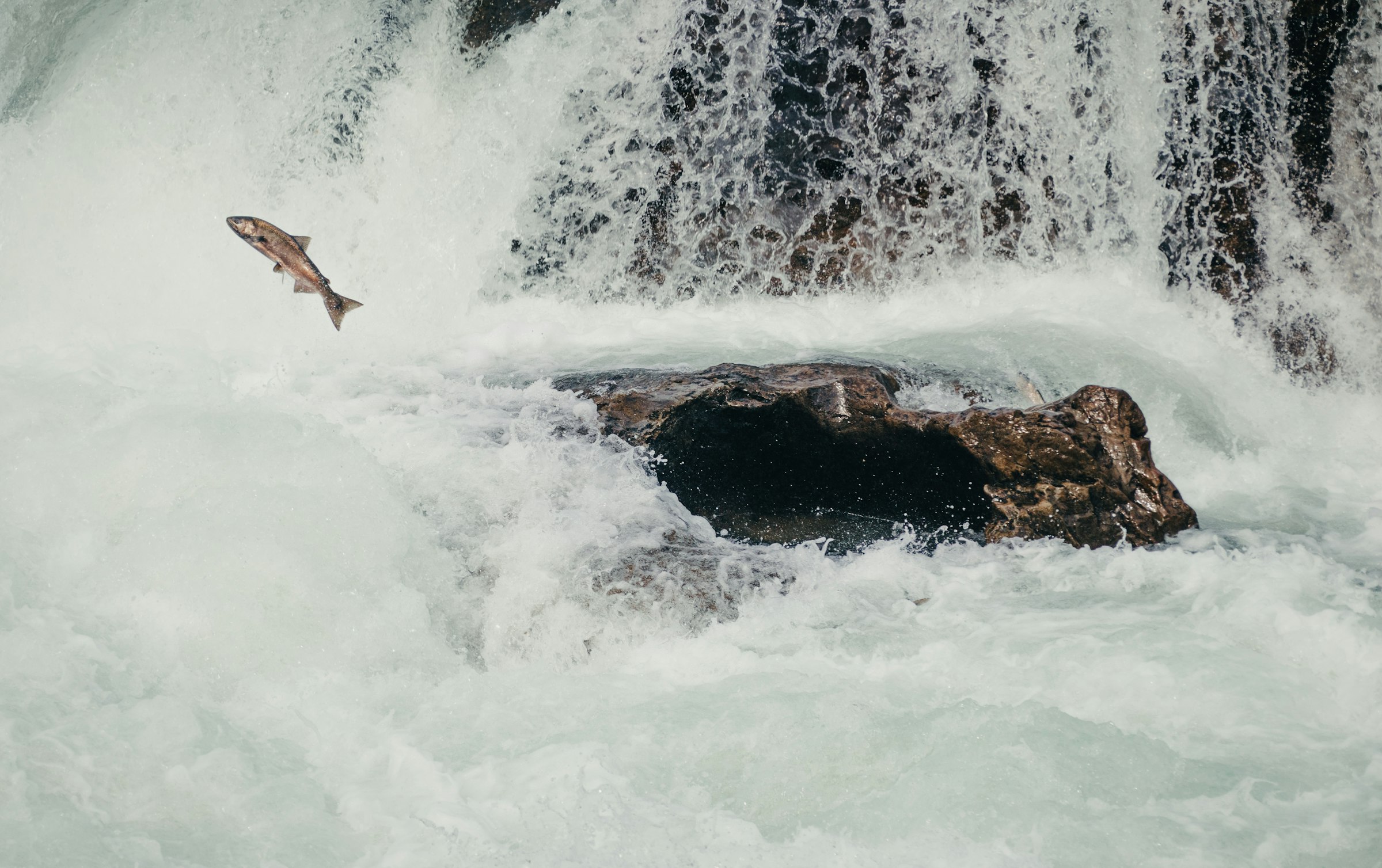
How to Catch Salmon: A Practical 2026 Guide for Rivers, Great Lakes, and Spring Runs
Quick Overview: If you want a fish that pulls hard, travels predictable routes, and rewards anglers who pay attention to timing and water movement, salmon are one of the best targets in North America. For a practical all-around river setup, start with an 8’6” to 10’6” medium or medium-heavy rod, a 3000 to 5000 size spinning reel or low-profile baitcaster, and 20- to 30-pound braid with a 12- to 20-pound leader. For presentations, build around spoons, spinners, drifting egg-style baits or beads, plugs, and trolling rigs, then focus on migratory lanes, current seams, tailouts, deeper pools, river mouths, and staging areas below barriers or along travel edges.
Recent salmon guidance from Take Me Fishing species pages and their 2024 Columbia spring-run coverage keeps pointing to the same truth: salmon are usually easier to catch when you stop thinking about random water and start thinking about migration timing. These fish move with purpose. They are born in freshwater, spend much of their adult life in larger open water, and then return along defined routes when conditions line up. If you are late, too early, or fishing outside the travel lanes, even excellent gear will not save the day.
That is why salmon can feel difficult at first and repeatable once you understand the pattern. The game is not just choosing a lure. It is matching the run window, water level, presentation speed, and holding water to fish that are actively moving upstream or staging before the next move.
Understanding Salmon Behavior
Salmon are different from many resident freshwater species because they are built around movement. In general terms, they hatch in freshwater rivers and streams, migrate outward, and later return to freshwater to spawn. That is the core reason salmon fishing is so timing-sensitive. You are not simply looking for fish that live in one small area all year. You are trying to intercept fish traveling through a corridor.
That migratory pattern makes several locations consistently important:
- river mouths and estuaries where fish first gather or transition
- current seams and walking-speed runs that let fish travel without burning excess energy
- tailouts and pool heads where salmon pause before pushing farther upstream
- deeper slots, ledges, and staging water below dams or natural barriers
- Great Lakes tributary mouths and connected current edges during seasonal movements
Species matter too. Chinook are generally larger and often call for heavier tackle and stronger hardware. Coho are aggressive and can be very responsive to covering water with lures. Sockeye, pink, Atlantic, and landlocked salmon each have regional differences, but the practical fishing lesson stays similar: find the route, find the speed of water fish prefer, and present something believable at the right depth.
One detail many beginners miss is that salmon do not always hold in the most dramatic-looking water. Fast whitewater may look exciting, but plenty of fish travel and rest in softer cushions beside the main current, in travel lanes near the bottom, or on inside edges where they can recover while still staying on route.
Best Gear Setup for Salmon
A good salmon setup should cast enough weight, control fish in current, and still let you present naturally.
Best all-around river setup
- Rod: 8’6” to 10’6” medium or medium-heavy spinning rod
- Reel: 3000 to 5000 size spinning reel
- Main line: 20- to 30-pound braid
- Leader: 12- to 20-pound fluorocarbon or abrasion-resistant mono
That combination works for bank anglers drifting baits, swinging spoons, casting spinners, or working plugs in medium to large rivers. The longer rod helps with line control, mending, and keeping pressure on fish in current.
When heavier tackle makes sense
- targeting larger Chinook in strong current
- fishing around rocks, timber, or heavy crowds where you need faster control
- pulling larger plugs or heavier sinker setups
- trolling larger water or deeper staging areas from a boat
In those cases, stepping up to a stronger rod, a heavier leader, and tougher terminal hardware is reasonable. Salmon are not just strong in a straight pull. They use current well, and a big fish hooked near structure or in a crowded run can expose weak gear quickly.
If you fish from a boat, trolling can be one of the fastest ways to locate active fish in larger rivers, reservoirs, or Great Lakes water. If you fish from shore, drifting and casting are usually the most practical starting points.
Best Lures, Baits, and Rigs
A few salmon presentations stay productive year after year because they cover water well and keep your offering in the strike zone.
Spoons
Salmon spoons remain a classic because they cast far, sink efficiently, and fish well in current. They are especially useful when you need to cover broad travel lanes from shore or probe different depths by changing retrieve speed and countdown.
Spinners
Inline spinners are one of the better choices when salmon are moving through rivers and you need flash, vibration, and a presentation that stays easy to manage in moderate current. Coho anglers in particular often lean on spinners because they let you search water aggressively.
Drift rigs with eggs, beads, or other natural-style offerings
Take Me Fishing’s salmon basics still emphasize drift fishing from land as a practical starting point, and that matches what many river anglers already know. A controlled drift with egg-style baits, beads, or other legal natural-style offerings can be one of the highest-percentage presentations when fish are traveling close to the bottom.
Plugs and wobbling hard baits
Plugs shine when salmon are holding in defined lanes or when backtrolling or controlled downstream presentations are possible. In current, they can stay in a fish’s face longer than a faster-moving spoon or spinner.
Trolling rigs
For larger systems, trolling with rotating attractors, cut-bait style rigs where legal, plugs, or spoons can be a smart way to locate fish spread over open water or long staging lanes. This approach is especially common in spring and on bigger salmon water where bank anglers cannot cover enough ground.
Where to Find Salmon First
If you reach new salmon water and need a practical starting plan, begin with the highest-percentage travel water rather than the prettiest water.
Look first for:
- river mouths and lower-river transition zones
- inside seams beside stronger current
- tailouts below pools
- pool heads where fish stack before pushing onward
- travel lanes below dams, rapids, or other barriers
- deeper channels near estuaries or lake inlets
- Great Lakes tributary mouths and connected shoreline current
- bends, drop-offs, merging currents, and structure edges
Recent Take Me Fishing species guidance on coho also reinforces that salmon frequently relate to bends, drop-offs, merging currents, current edges, and channel entrances. That is useful because it gives you a practical checklist instead of the vague advice to “just fish the river.”
From shore, good salmon fishing often comes down to angle and depth control. Instead of making the same cast repeatedly into dead water, adjust your angle so the lure swings through the fish’s lane or the drift ticks bottom naturally without constantly snagging. From a boat, the big advantage is boat control. Staying just off the lane and keeping the presentation moving at the right speed often matters more than constant lure changes.
Seasonal Guide for More Salmon
Spring
Spring is one of the best salmon windows in several regions because fresh fish begin showing in rivers and staging areas. Take Me Fishing’s 2024 Columbia spring coverage highlights familiar patterns: fish key travel corridors, do not ignore lower-river staging zones, and use proven boat or bank presentations that stay near the fish lane. Spring salmon often reward anglers who pay close attention to current speed, water temperature trends, and day-to-day river conditions.
Summer
In summer, salmon opportunities vary widely by region. Some fisheries stay focused on bigger water, trolling, or near-shore staging fish, while others remain about river movement tied to flow and temperature. Early and late in the day can become more important as water warms.
Fall
Fall is when many anglers think of salmon first, because major spawning runs make fish more visible and more available in rivers and tributaries. That does not mean every fish is easy, but it does mean location becomes more predictable. This is a strong season for covering travel lanes with spinners, spoons, plugs, or controlled drifts.
Winter
Winter salmon fishing is more specialized and region-dependent, but in systems with winter opportunities, slower presentations and careful attention to holding water matter more. Fish are less likely to move far for a bait, so depth and speed control become even more important.
Practical Tips That Help Right Away
- Plan around the run, not just the calendar. A famous river on the wrong week is still the wrong week.
- Focus on travel water first. Seams, tailouts, pool heads, and current edges beat random casting.
- Keep your presentation near the fish lane. Depth control matters more than lure collecting.
- Match tackle to the fish and current. Bigger Chinook and stronger flows deserve heavier hardware.
- Cover water with spinners or spoons when fish are moving. Slow down with drifts or plugs when fish are holding.
- Check local regulations before every trip. Salmon rules, seasons, bait restrictions, and retention limits vary heavily by river and state.
- Handle fish carefully. Many salmon fisheries include protected stocks, wild-fish release rules, or selective regulations.
Final Word
If you want the simplest reliable salmon plan for 2026, start with a longer medium or medium-heavy setup, a few spoons, a couple of spinners, a drift rig, and one or two plug options, then spend most of your energy learning when fish are arriving and where they naturally pause on the route. Think less about finding “secret spots” and more about learning the fish highway.
That is the practical beauty of salmon fishing. The fish are powerful, the locations can be dramatic, and the learning curve is steep enough to stay interesting. But once you understand migratory timing, current seams, and presentation depth, salmon stop feeling random and start feeling teachable.