How to Catch Pompano From the Beach in 2026: A Practical Beginner Guide to Sand Fleas, Light Surf Rigs, and Reading the First Trough
A practical beginner guide to catching pompano from the beach in 2026, including the best surf setup, sand flea and shrimp baits, simple two-hook rigs, wave-reading basics, and when to move.
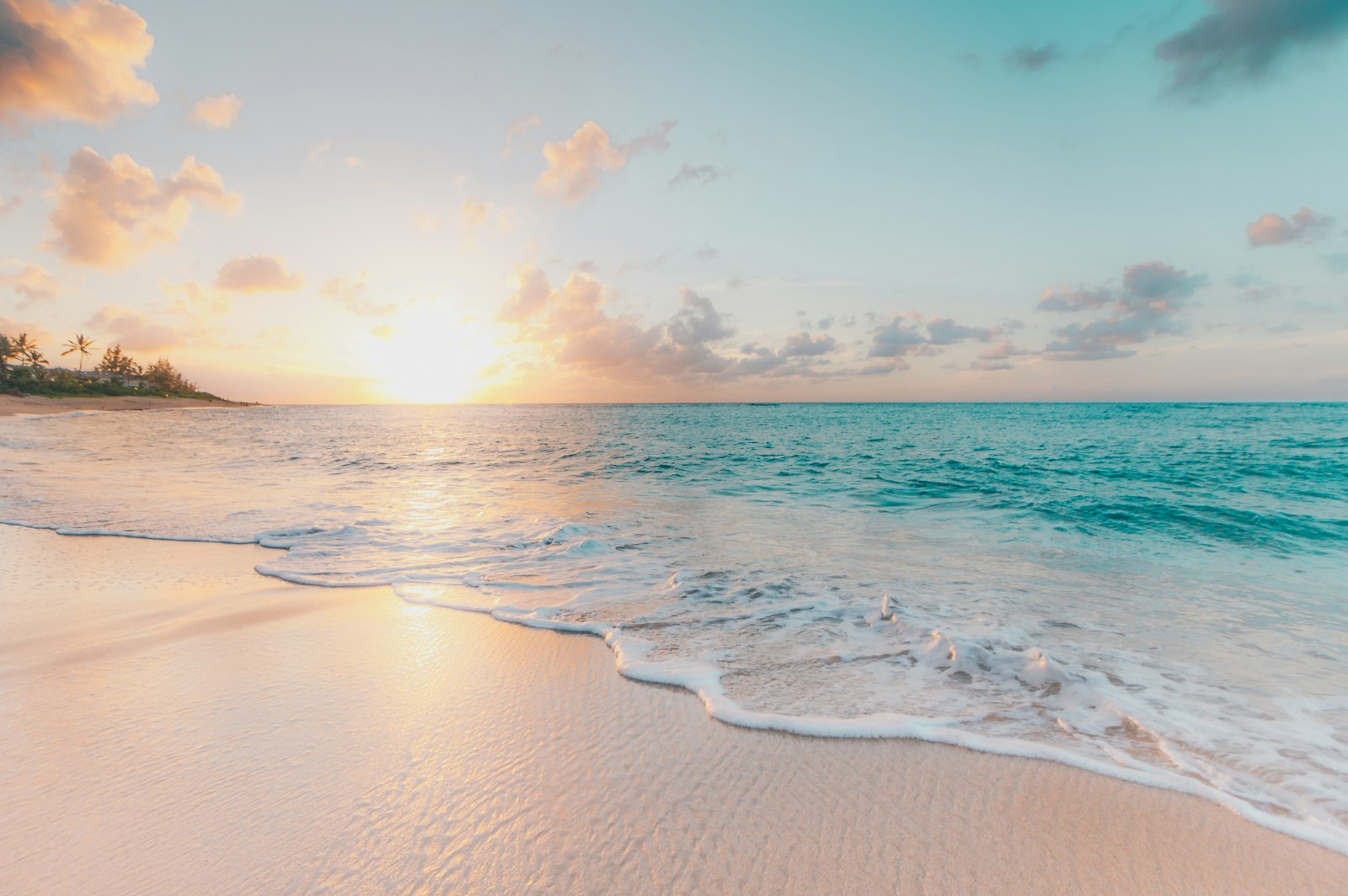
If you want a beach species that rewards simple rigs, fresh bait, and basic surf reading more than brute force casting, pompano are hard to beat. They are fast, excellent on the table, and much more approachable than many beginners think.
The good news is that catching pompano from the beach in 2026 still does not require giant rods, heavy conventional tackle, or hero-level distance. Current surf guidance from tackle shops, coastal anglers, and recent regional how-to coverage keeps pointing back to the same truth: if you can identify the first trough, a cut, a seam, or a slightly darker lane close to shore, and you keep a compact baited rig in that zone, you are in the game.
Bottom line
If you want the easiest starting point, use a 9’ to 10’6” medium surf spinning rod, a 4000 to 5000 size reel, 15- to 20-pound braid or 10- to 15-pound mono, and a simple two-hook pompano rig with size 1 to 1/0 circle or kahle-style hooks. Bait it with sand fleas, fresh shrimp pieces, or Fishbites-style strips, cast into the first trough or a visible cut, and move if the water looks dead or the rig sits untouched too long.
That setup is simple because pompano usually feed where the beach gives them an easy lane, not where anglers are trying to throw into the next zip code.
Why pompano are such a good beginner beach target
Pompano make sense for beginners because the system is relatively clean. You are not trying to decode a hundred lure retrieves or a super technical boat pattern. You are matching a fish that cruises sandy structure looking for small crabs, clams, shrimp, and other easy forage pushed around by surf.
That feeding behavior creates a few reliable patterns:
- they often patrol the first trough surprisingly close to shore
- they like cuts, seams, and areas where waves break unevenly
- they respond well to small natural baits
- they are mobile, so location matters more than camping forever in dead water
That last point is the one many new surf anglers miss. A mediocre cast into the right lane beats a bomb cast into empty water.
The best pompano setup for the beach
You do not need oversized surf gear unless your beach has extreme current or heavy sinker requirements.
A smart all-around beginner setup looks like this:
- Rod: 9’ to 10’6” medium or medium-heavy surf spinning rod
- Reel: 4000 to 5000 size spinning reel
- Main line: 15- to 20-pound braid, or 10- to 15-pound mono if you prefer simplicity
- Leader / rig line: 20- to 30-pound mono or fluorocarbon
- Hooks: size 1 to 1/0 circle, kahle, or short-shank bait hooks
- Sinker: pyramid or sputnik sinker sized just heavy enough to hold bottom
This is one of those styles where balanced tackle matters. Too heavy and the whole system becomes less fun, harder to read, and more annoying to cast repeatedly. Pompano are not asking for shark tackle.
If you are using braid, a short shock leader can help when casting heavier sinkers. If you are brand new and want fewer knots to think about, straight mono is still a perfectly reasonable beach choice.
The easiest rig: a two-hook pompano rig
For most beginners, a simple two-drop surf rig is the right answer.
Why it works:
- it covers a little more vertical space in the water
- it gives you two bait options if you want to compare offerings
- it is easy to buy pre-tied or build at home
- it fishes naturally in the wash without getting too complicated
Keep the hooks modest. Bigger is not better here. Pompano have small, downturned mouths built for picking up compact forage, so neat baits on small hooks are usually the higher-percentage choice.
A flashy float, bead, or colored attractor can help, especially in stirred-up surf, but the bait and location still do most of the work.
Best baits for beach pompano
If I had to simplify the bait list, I would start here:
1. Sand fleas
Sand fleas are the classic pompano bait for a reason. They match what fish are already looking for in the wash, and fresh local bait usually outperforms random frozen mystery offerings.
2. Fresh shrimp pieces
Shrimp is easy, available, and productive. Cut it into compact pieces so it stays on the hook better and looks natural.
3. Fishbites or similar scent strips
These are useful when small bait thieves are a problem or when you want extra durability on the hook. A lot of anglers fish them alone or combine a small strip with natural bait.
4. Small clam or crab-based baits where common
Regional preferences vary, but the main point is to keep it small, fresh, and securely pinned.
Where to cast: the first trough matters most
This is where pompano fishing gets more interesting than people expect.
On many beaches, the best water is not far out. It is often the first trough between the shoreline and the outer sandbar, or a cut where water drains through a break in the bar. If waves are breaking hard in one line and then suddenly easing or flattening in another section, that change deserves attention.
The most useful things to look for are:
- a darker lane that suggests deeper water
- a cut in the bar where water funnels through
- a section with uneven wave breaks
- clean seams where foamy and calmer water meet
- little patches of shell, coquina, or firmer bottom near the wash
If you blindly cast past all of that, you can skip the exact lane fish are using.
How long to stay before moving
Pompano are roamers. That means dead water usually stays dead.
If the beach looks lifeless, you are collecting weeds, or you get no taps over a meaningful stretch, move. A lot of surf anglers use a simple rule: if you have made enough good casts with fresh bait and still feel nothing, walk until the water looks better.
Even moving 30 to 80 yards can put you on a different cut or trough. That is not dramatic. It is just efficient.
Best times and conditions
Pompano can bite through the day, but beginners usually do best when conditions are a little friendlier.
Good starting windows include:
- early morning before beaches get crowded
- late afternoon into evening
- periods with clean to lightly stained water
- moderate surf with enough movement to push food, but not total chaos
- incoming or moving water around a visible cut
After storms or huge surf, fish can still be present, but reading the beach gets harder and keeping baits in place becomes more annoying.
Common mistakes beginners make
Casting too far
This is the big one. Pompano are often much closer than people think.
Using baits that are too large
Small, clean, compact baits usually get eaten more confidently.
Fishing one dead spot too long
Mobility matters from the beach.
Using unnecessarily heavy tackle
Oversized rods and sinkers can make the whole process clumsy.
Ignoring current and wave shape
The water tells you where to start if you slow down enough to watch it.
A simple beginner game plan
If I were starting from scratch, I would do this:
- Walk the beach first instead of immediately casting.
- Pick the best-looking trough, seam, or cut within practical range.
- Fish a two-hook rig with sand fleas, shrimp, or bait strips.
- Start with the lightest sinker that still holds.
- Keep baits fresh and compact.
- If the spot feels dead, move.
That plan is not flashy, but it lines up with how pompano are actually caught consistently.
Final thoughts
Beach pompano fishing is appealing because it strips the game down to useful basics: read the water, fish fresh bait, keep your rig simple, and stay mobile enough to find life. That makes it one of the best beginner-friendly saltwater styles around.
If you want one takeaway, make it this: focus on the first trough and visible cuts before you worry about distance. A lot of pompano are caught by anglers who pay attention, not anglers who simply cast harder.