How to Catch Largemouth Bass: The Complete 2026 Guide for Beginners and Weekend Anglers
Learn how to catch largemouth bass with practical advice on seasonal patterns, lure selection, spinning and baitcasting setups, where to look, and the biggest mistakes new bass anglers make.
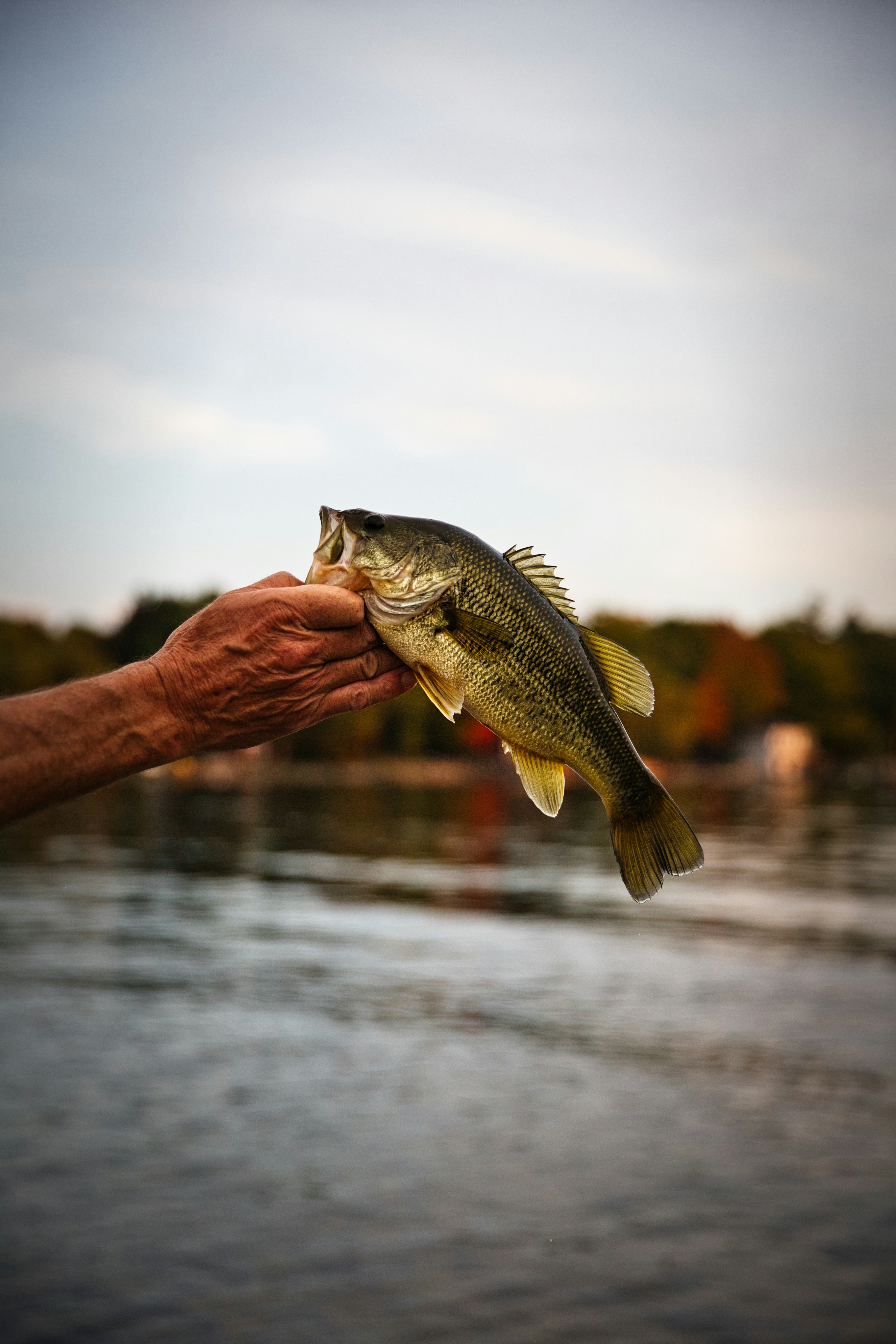
How to Catch Largemouth Bass: The Complete 2026 Guide for Beginners and Weekend Anglers
Quick Overview: Largemouth bass are one of the best fish in the world for learning lure fishing because they live in accessible water, eat a wide range of baits, and reward anglers who pay attention to cover, season, and presentation speed. If you are just starting, a medium spinning setup, a few soft plastics, and a basic understanding of where bass hide will catch fish almost anywhere.
Largemouth bass are popular for a reason. They are aggressive enough to hit reaction baits, smart enough to force you to think, and common enough that you can improve quickly without waiting all season for one bite. You can catch them from farm ponds, city lakes, reservoirs, rivers, canals, and weedy backwaters. That makes them ideal for beginners and endlessly interesting for experienced anglers.
Understanding Largemouth Bass Behavior
If you want to catch bass consistently, stop thinking only about the lure and start thinking about cover, comfort, and food.
Bass usually position where those three things overlap:
- Cover: weeds, dock posts, brush piles, laydowns, lily pads, rock transitions
- Comfort: shade, stable water, oxygen, and water temperatures they can tolerate
- Food: bluegill, minnows, shad, frogs, crayfish, and insects
Unlike trout, bass do not need cold water. They are comfortable in much warmer lakes and ponds, which is one reason they are so widespread. Most of the time, largemouth bass prefer to ambush. They are not built like tuna. They want a short burst, a quick meal, and then they slide back into cover.
That one fact explains a lot of bass fishing. If your bait never comes near a likely hiding place, it does not matter how expensive it is.
Best Gear Setup for Largemouth Bass
You can catch bass on many setups, but these are the most practical starting points.
Spinning setup
- Rod: 6’10” to 7’2” medium-light or medium power, fast action
- Reel: 2500 size spinning reel
- Main line: 10-15 lb braid
- Leader: 8-12 lb fluorocarbon
This is the easiest system for beginners. It casts light lures well and handles soft plastics, small swimbaits, shaky heads, Ned rigs, and weightless worms.
Baitcasting setup
- Rod: 7’0” to 7’3” medium-heavy, fast action
- Reel: 7:1 gear ratio baitcaster as an all-purpose starting point
- Line: 12-17 lb fluorocarbon or 30-50 lb braid depending on cover
This setup shines when you move into jigs, frogs, Texas rigs, spinnerbaits, and heavier moving baits. It gives better control around wood, grass, and docks, but it has a higher learning curve.
Five lures every bass angler should own
- Weightless stick worm — the easiest confidence bait in calm water and around docks
- Texas-rigged worm or creature bait — the best all-around cover bait
- Spinnerbait — excellent for wind, stained water, and active fish
- Squarebill crankbait — ideal for shallow cover and searching water
- Topwater frog or walking bait — for grass, low light, and explosive strikes
If you only buy one lure category to start, make it soft plastics. They are slower, more forgiving, and catch fish when bass are neutral.
Top Techniques That Actually Catch Fish
1. Weightless worm around docks and edges
This is the easiest bass technique to recommend to a beginner because it is simple and effective. Cast a stick worm near docks, grass lines, isolated wood, or shaded banks. Let it fall on slack line, then give it a few subtle twitches.
Why it works: Bass often eat on the fall. A slow-falling worm looks easy to kill.
Common mistake: Working it too fast. New anglers often pull the lure away from fish before the fish commits.
2. Texas rig for cover
If you see grass, brush, reeds, timber, or shoreline junk, a Texas-rigged worm or creature bait should be in your hand. Pegged or unpegged, it slips into places many other lures cannot fish cleanly.
Why it works: It puts a soft plastic directly into the bass’s living room.
Common mistake: Using too much weight. Many anglers fish faster than they need to. Use the lightest weight that still lets you reach the target zone.
3. Spinnerbait in wind or dirty water
When the water has color or the wind is blowing onto a bank, bass often feed more aggressively. A spinnerbait lets you cover water fast and trigger reaction bites.
Why it works: Flash, vibration, and speed make it easy for bass to find.
Common mistake: Fishing it only in open water. Spinnerbaits are most useful when you throw them close to cover.
4. Topwater in low light
Early morning, late evening, overcast skies, and matted vegetation are classic topwater windows. Nothing teaches confidence faster than seeing a bass explode on a frog or walking bait.
Why it works: Bass use low light to ambush upward.
Common mistake: Setting the hook too early. Wait until you feel weight, not just the splash.
Seasonal Guide
Spring
This is when many casual anglers catch their biggest bass of the year. Bass move shallow, feed more predictably, and relate to flats, pockets, spawning coves, and warming banks.
Best baits: stick worms, chatterbaits, spinnerbaits, jigs, shallow crankbaits
Summer
Bass often split into two groups: shallow cover fish and deeper offshore fish. In ponds and small lakes, shallow bass still hold under shade, grass, docks, and wood. In larger reservoirs, many slide deeper during bright periods.
Best baits: frogs, Texas rigs, worms, big worms, deep crankbaits, football jigs
Fall
Bass chase baitfish and can feed aggressively. This is a great season for moving baits and for covering water quickly.
Best baits: spinnerbaits, squarebills, lipless cranks, swimbaits, flukes
Winter
Winter bass are slower, but they are not impossible. You usually need to slow down, fish more vertically, and focus on stable water.
Best baits: jighead minnows, finesse worms, small jigs, suspending jerkbaits in warming windows
Where to Find Largemouth Bass
If you arrive at a new lake and feel lost, do not randomly cast the middle. Start with obvious high-percentage targets:
- shade lines under docks
- edges of weed beds
- isolated wood or laydowns
- corners of lily pad fields
- riprap banks with depth nearby
- points where wind pushes bait
- culverts, inflows, or drains in ponds and canals
Bass like edges. A weed edge, shade edge, depth edge, or hard-to-soft bottom transition can all concentrate fish. If you are bank fishing, focus on anything that looks different from the surrounding water.
Mistakes New Bass Anglers Make
Fishing too fast
This is the biggest one. Bass are predators, but they are not always in kill mode. Many beginners move soft plastics like they are late for a meeting.
Ignoring the target zone
A beautiful cast means nothing if it lands three feet too far from the actual cover.
Using one lure all day
If the fish are not reacting, change speed, depth, or profile. Bass do not read your plan.
Setting the hook on sight, not feel
This especially hurts topwater anglers. Train yourself to wait until you feel the fish.
Not paying attention to wind and shade
Wind and shade both reposition bass. These are not minor details. They often decide whether a bank is dead or loaded.
Final Tips from the Water
- If you are a beginner, fish a weightless worm until you gain confidence.
- If the lake has grass, always have a Texas rig and frog ready.
- In muddy or windy water, start louder and faster before going subtle.
- If you get one bite, do not leave immediately. Bass often group by size and location.
- A simple spinning setup catches far more bass than a complicated tackle collection you do not yet understand.
Final Word
Largemouth bass are the perfect teacher. They will punish sloppy casting, reward smart target selection, and help you learn faster than almost any other freshwater species. Do not overcomplicate it.
Start with a medium spinning rod, braid to leader, a pack of stick worms, and a handful of obvious targets like docks, weeds, and wood. Once you learn how bass use cover and how lure speed changes their mood, everything starts making more sense.
That is when bass fishing stops feeling random and starts feeling addictive.