How to Catch Crappie: A Practical 2026 Guide for Brush, Docks, and Seasonal Moves
Learn how to catch crappie with practical advice on seasonal movements, the right light-line setup, the best jigs and minnows, and how to find fish around brush piles, docks, creek channels, and bait schools.
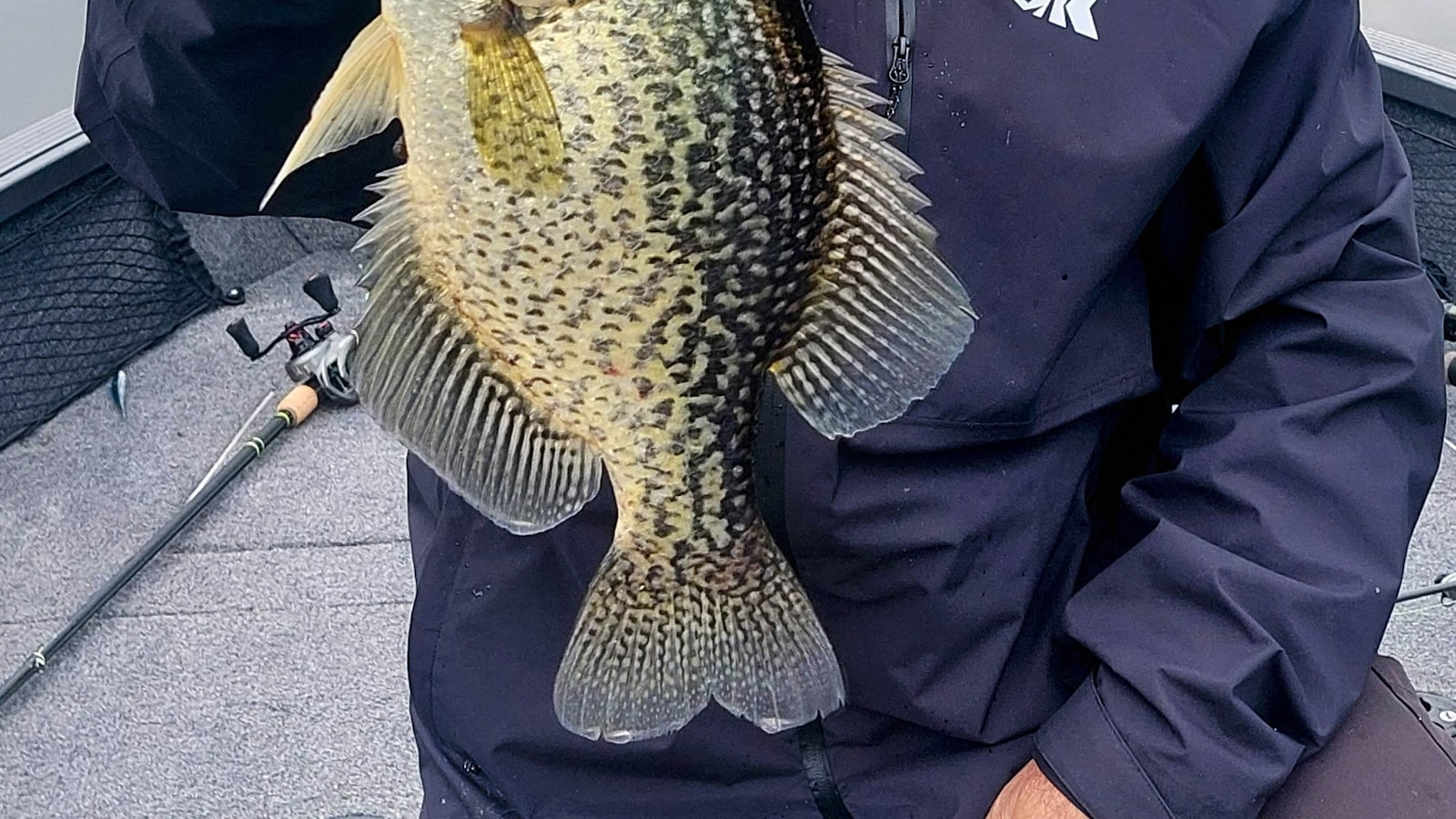
How to Catch Crappie: A Practical 2026 Guide for Brush, Docks, and Seasonal Moves
Quick Overview: If you want to catch more crappie, think schools, structure, and exact depth control. Crappie rarely set up randomly. Most days they hold around brush piles, submerged timber, docks, creek-channel edges, weed lines, or baitfish schools, and they often suspend at a very specific depth. For most anglers, the easiest all-around setup is a 5’6” to 7’ light-power spinning rod, a 1000 to 2000 size reel, and 4- to 6-pound mono or braid with a light leader. Start with a 1/32- to 1/16-ounce jig or a live minnow under a float, then fine-tune your depth before you change baits.
Recent 2025-2026 crappie advice from Outdoor Life, Game & Fish, FishingBooker, and guide-driven reports keeps landing on the same point: catching crappie is usually less about fancy tackle and more about putting a small bait at the right depth near the right cover. New electronics can help you find schools faster, but they do not replace the fundamentals. If you understand where crappie go in each season and why they stop on certain pieces of cover, you can catch them consistently from the bank, from a kayak, or from a boat.
Crappie are one of the best fish for beginners, families, and anglers who simply want steady action without needing heavy gear. They school, they often relate strongly to visible or fishable structure, and they respond well to straightforward presentations. The challenge is that their bite can be light and their depth can shift by only a few feet while that change still makes a huge difference.
Understanding Crappie Behavior
Crappie are schooling panfish that spend most of their time near cover, edges, and food. They are sight feeders, but unlike fish that roam all day, crappie often hold in fairly compact groups around something that gives them security and feeding opportunity.
That usually means brush piles, standing timber, dock posts, pontoon floats, laydowns, submerged stake beds, weed edges, rock mixed with brush, or channel swings. In reservoirs, they also use creek channels and staging shelves heavily. In natural lakes, they may lean more on weed lines, docks, reeds, and basin edges.
The biggest thing to remember is that crappie often suspend. A brush pile in 18 feet of water does not mean the fish are on the bottom. They might be 6 feet down over the top of the brush, or 10 feet down off one side of it. That is why crappie anglers talk so much about “dialing in depth.” Once you find the right level in the water column, your catch rate can jump fast.
Crappie also follow bait. If you find shad, small minnows, or insect-rich cover, you are usually in the right neighborhood. In clear water they often position tighter to shade or deeper cover. In stained water they can stay shallower and roam more confidently.
Best Gear Setup for Crappie
You do not need expensive gear to catch crappie, but you do need tackle that matches small baits and light bites.
Best all-around spinning setup
- Rod: 5’6” to 7’ light or ultralight spinning rod
- Reel: 1000 to 2000 size spinning reel
- Main line: 4- to 6-pound mono, or 8-pound braid for extra sensitivity
- Leader: 4- to 6-pound fluorocarbon if using braid
This setup covers jig casting, vertical jigging, float fishing, dock fishing, and simple live-bait rigs. A soft tip helps throw light jigs and keep small hooks pinned, while a smooth drag matters when a bigger slab crappie or bonus bass shows up.
Long-rod options for specialized boat tactics
- Rod: 8- to 12-foot rods for dipping, tight-lining, or slow trolling
- Line: usually 6- to 8-pound mono or braid depending on cover and method
You do not need multi-rod spider-rigging setups to start, but longer rods absolutely help when you want to present quietly around brush or hold a bait in front of fish without driving over them.
If you are fishing from the bank, the basic light spinning combo is enough. If you are fishing docks from a boat or kayak, that same combo plus a short float rod can cover almost every simple crappie situation.
The Best Lures and Baits for Crappie
Crappie will eat a range of offerings, but a few categories keep proving themselves year after year.
Small jigs
A 1/32- or 1/16-ounce jig is the classic starting point for a reason. It lets you count down to a target depth, swim slowly, pendulum past dock posts, or drop directly into brush. Soft-plastic bodies like split tails, baby shad shapes, tiny tubes, and curl tails all work.
In clearer water, natural combinations like white, silver, gray, smoke, or translucent baitfish colors often shine. In stained water, chartreuse, pink, orange, and black-chartreuse combinations can be easier for fish to track.
Live minnows
When the bite gets tough, live minnows still bail anglers out. Hook them lightly through the lips or back and fish them under a float, on a plain hook with split shot, or on a jig head. Minnows are especially strong during cold fronts, early spring, and anytime fish want a slower presentation.
Marabou jigs and hair jigs
These are excellent when crappie want subtle movement. They can outfish bulkier plastics in cold water or when fish are pressured and picky.
Road-runner style underspins and tiny crankbaits
When fish are active and you need to cover water, small underspins and micro crankbaits help you find roaming schools faster. They are useful around riprap, scattered cover, and post-spawn fish that are feeding on shad.
The important part is not just lure choice. It is fall rate and depth. Many crappie bites happen when a jig falls slowly past a fish or hangs almost still beside cover.
Where to Find Crappie First
If you are showing up to new water and want a high-percentage starting plan, begin with these areas:
- Brush piles in 8 to 20 feet of water
- Boat docks with shade and deeper water nearby
- Standing timber and submerged wood
- Creek-channel bends and drop-offs near spawning flats
- Weed edges and holes in vegetation
- Bait schools on electronics
- Protected coves in spring
For bank anglers, docks, fishing piers, marina edges, brushy shorelines, and small points near creek arms are your easiest targets. For boat anglers, side imaging, sonar, and even simple marker buoys help you stay on isolated cover instead of drifting away from the sweet spot.
One of the most common mistakes is fishing too quickly through empty water. Crappie are catchable, but they are rarely spread evenly. Slow down once you find cover with life around it.
Seasonal Guide for Crappie Success
Spring
Spring is prime time because crappie move shallower and become easier to pattern. Before the spawn, they stage on creek channels, brush, timber, and transition banks leading into protected spawning pockets. As water warms into the mid-50s and beyond, fish slide shallower into coves, reeds, wood, and firm-bottom flats.
This is when float rigs, small jigs, and minnows are all strong. Do not assume every fish is on the bank yet. Often the biggest groups are still just off the spawning area, suspended on the first break or brush pile.
Summer
After the spawn, crappie usually pull away from the bank and set up deeper. Look for brush in deeper water, standing timber, bridge pilings, open-water bait schools, and shaded docks. Early and late can still bring fish shallower, but midday often demands a more vertical, precise approach.
Summer is where depth control becomes even more important. Count down your jig, watch your electronics if you have them, and keep your bait above the fish instead of below them.
Fall
Fall can be excellent because crappie feed up around baitfish. They often move between deeper channel edges and shallower feeding zones depending on light, wind, and bait position. Casting small jigs, swimming underspins, and working brush near creek mouths are all smart plays.
If shad are present, pay attention to wind-blown pockets and areas where bait gets trapped. Crappie usually are not far away.
Winter
Winter fish often group tightly in deeper, more stable water. This is a great time for vertical jigging over brush, timber, channel edges, and basins. Slow down, use compact presentations, and keep your movements small. Light bites become even lighter in cold water, so line watching matters.
Practical Tips That Help Right Away
- Start by finding the right depth, not the perfect color. Depth usually matters first.
- Keep your bait above the fish. Crappie feed upward more comfortably than downward.
- Use the smallest weight that still reaches the zone. A slower fall often gets more bites.
- Fish the shade line. Docks, pontoon floats, and overhanging cover can be especially strong in clearer water.
- Do not overwork the lure. Small shakes, slow swims, and controlled falls beat aggressive action most days.
- Mark productive cover. Crappie reload on the same brush and dock corners.
- Use minnows when conditions get weird. Cold fronts and heavy pressure often make live bait the easier answer.
Final Word
If you want a simple crappie plan that works in most places, start with a light spinning combo, a 1/16-ounce jig or live minnow, and a piece of cover near the depth crappie want that day. Focus on brush, docks, timber, bait, and exact presentation depth before you start changing five other things.
Crappie reward anglers who stay patient and fish small baits carefully. Once you learn to connect seasonal movement with the right depth and structure, they stop feeling random and start feeling very predictable.