How to Catch Bluegill: A Practical 2026 Guide for Spring Beds, Bobber Rigs, and Fast Family Action
Learn how to catch bluegill with simple spring patterns, ultralight tackle, bobber rigs, tiny jigs, and seasonal adjustments that help beginners and weekend anglers get bites almost anywhere.
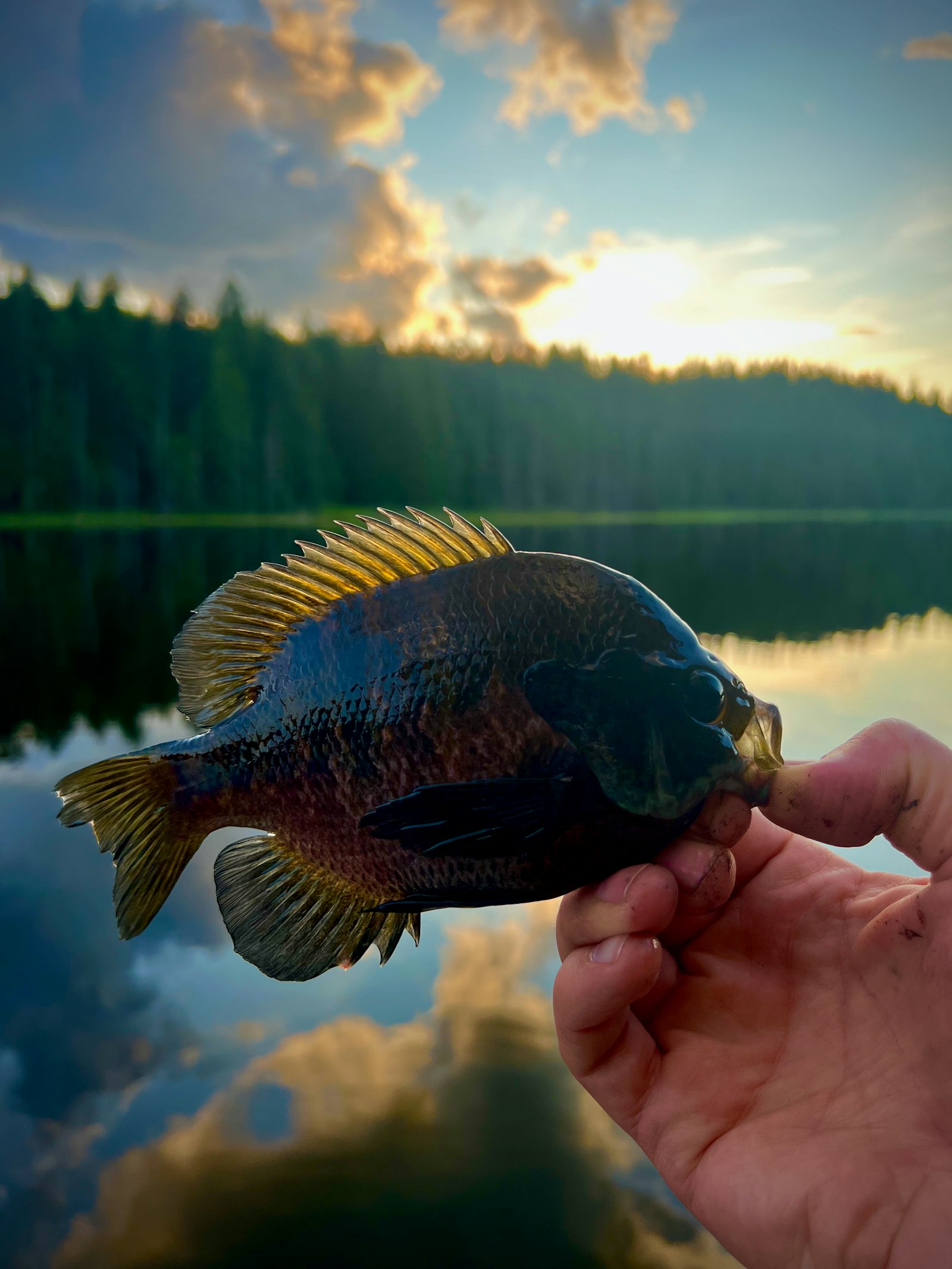
How to Catch Bluegill: A Practical 2026 Guide for Spring Beds, Bobber Rigs, and Fast Family Action
Quick Overview: If you want to catch more bluegill, think shallow cover, small baits, light line, and simple presentations you can keep in the strike zone. In spring, bluegill slide toward warming flats, pockets, and protected banks. A 5- to 7-foot ultralight spinning combo, 4- to 6-pound line, a small hook under a bobber, and a piece of worm will catch fish almost anywhere they live.
Bluegill are one of the best fish in freshwater because they reward clean, simple fishing instead of expensive complexity. They are widely available, aggressive at the right times, and perfect for bank anglers, kids, casual weekend trips, and anyone who wants steady action instead of waiting all day for one bite.
Current spring panfish guidance going into 2026 still lines up around the same core truth: bluegill become much easier when you follow warming water, shallow food, and visible cover rather than blindly fishing open banks. As water temperatures climb toward the spawn window, fish group up, move shallower, and become far more predictable.
That predictability is the whole opportunity.
Understanding Bluegill Behavior
Bluegill are structure-oriented fish that like food, security, and manageable water conditions. In ponds, small lakes, reservoirs, and protected river backwaters, they often hold near weed edges, brush, docks, timber, reed lines, laydowns, and dark-bottom areas that warm quickly.
In early spring, they usually transition from winter depth toward shallower water. In many places, the best fish are not yet on the bank itself. They are staging just outside the warmest flat, often near the first useful cover or the first depth break beside it.
When water temperatures move into the high 60s and low 70s, bluegill begin bedding in colonies. You may see circular beds in 1 to 4 feet of water on sand, gravel, or firm-bottom pockets near weeds, brush, pads, and shoreline cover. Those fish can be easy to catch, but they can also be easy to overpressure.
The fastest way to find bluegill is to ask four questions:
- Where is the warmest protected water? South-facing banks, pockets, and calm coves often turn on first.
- Where is the cover? Docks, brush, reeds, stumps, and emerging weeds matter.
- Where is the food? Insects, larvae, tiny minnows, and worms keep fish active.
- Are they staging or spawning? The answer changes your depth and your presentation speed.
Best Gear Setup for Bluegill
You do not need specialized tackle to catch bluegill well, but lighter gear makes the experience much better.
Everyday spinning setup
- Rod: 5’0” to 7’0” ultralight or light power
- Reel: 500 to 2000 size spinning reel
- Line: 4 to 6 lb monofilament or light braid with a mono/fluoro leader
For most beginners, straight mono is still the simplest choice. It casts small rigs well, floats better under a bobber, and stays forgiving when kids or casual anglers set the hook too hard.
Classic bobber setup
- small fixed or slip bobber
- one or two split shot
- size #6 to #8 Aberdeen or bait hook
- a small piece of worm, red wiggler, wax worm, or cricket
This setup keeps the bait suspended at the fish’s level, which is one of the biggest reasons it works so consistently.
Simple jig setup
- Jig size: 1/64 oz to 1/16 oz
- Body: tiny tube, micro grub, soft plastic larva, or hair jig
- Color: black, chartreuse, white, pink, and natural bug tones all work
If fish are active, a small jig lets you cover water faster than live bait.
Best Baits and Lures for Bluegill
If you just want bites, live bait still wins most days.
Best live baits
- small pieces of worm or nightcrawler
- red wigglers
- wax worms or mealworms
- crickets where legal and practical
Use less bait than most beginners think. A tiny bait looks natural, stays on the hook better, and is easier for a small mouth to eat cleanly.
Best artificials
- 1/32 oz marabou jigs
- micro tubes and grubs
- Trout Magnet-style plastics
- tiny inline spinners
- small surface bugs or poppers in warm weather
Artificial lures shine when fish are spread out and you need to find them. They also make it easier to catch bigger bluegill that are feeding more aggressively instead of just pecking bait.
How to Catch Bluegill in Spring
Spring is the easiest season to build confidence because fish move shallow and group up.
Start by checking:
- protected coves
- pond corners with dark bottoms
- reed edges
- brush near the bank
- docks next to 2 to 6 feet of water
- small flats with nearby depth
Fish slow first. A suspended worm under a bobber is still the highest-percentage option for numbers. Set the depth so the bait rides slightly above the fish rather than dragging bottom. If you are not getting bit, adjust depth before changing everything else.
If fish are cruising or the area looks good but feels empty, switch to a tiny jig and make short casts around cover. Count it down a little, then reel just fast enough to keep it moving. Most strikes feel like a tick, a stop, or just extra weight.
During the spawn, you may see beds and catch fish quickly. Just be smart about it. Do not sit on one colony and clean it out. Keep only what you will actually eat, and consider releasing more fish during peak bedding periods.
Seasonal Pattern Guide
Spring
Bluegill move shallow, feed heavily, and stage around cover before bedding. This is the easiest time for bank anglers. Bobbers, small jigs, and worm pieces are hard to beat.
Summer
As shallow water heats up, bluegill often slide to deeper weed edges, shade lines, docks, brush piles, and the outside edge of healthy vegetation. Early and late remain strong shallow windows, but midday fish often set up deeper.
Fall
Bluegill feed well in fall and often group tighter. Look for green weeds, brush, and remaining healthy cover near mid-depth zones. This can be an underrated season for size if you find the school.
Winter
In open water they often hold deeper and bite slower. Through the ice, tiny jigs and subtle live bait presentations usually work best. The fish are still catchable, but patience matters much more.
Where to Find Bigger Bluegill
Small bluegill are everywhere. Bigger ones usually position a little better.
Look for:
- the deeper side of weed edges
- isolated brush or wood away from bank crowds
- docks with shade and nearby depth
- small depressions beside spawning flats
- less-pressured farm ponds and neighborhood lakes
A common beginner mistake is fishing only the bank itself. Better fish often sit just off the obvious spot, not directly on it.
Practical Tips That Help Immediately
- Use smaller bait pieces than you think you need.
- Set the bobber so the bait hangs above the fish, not buried in mud.
- If fish keep pecking without hooking up, downsize the hook.
- If you catch one good fish, stay alert. Bluegill often school tightly.
- Around beds, fish the edges first instead of dropping right into the center.
- Bring forceps or long-nose pliers because panfish can inhale small hooks.
Regulations and Ethical Note
Bluegill rules are often simple, but they are not identical everywhere. Some waters have panfish size limits, bag limits, or local harvest rules. Always verify local regulations before fishing or keeping fish.
Also, bluegill on beds are vulnerable. Catching a few is normal. Overworking a colony is unnecessary. If the action is nonstop, that is a good reason to harvest lightly or switch spots rather than proving the point for another hour.
Final Verdict
If you want one species that combines easy access, real learning value, and steady action, bluegill are hard to beat. They teach depth control, hookset timing, cover reading, and seasonal movement without demanding heavy gear or a boat.
For most anglers, the winning plan is still simple: light spinning gear, 4- to 6-pound line, a small bobber rig or tiny jig, and a focus on shallow cover during warming conditions. Follow that formula and bluegill will make you look smarter than you are.
That is one reason they never stop being fun.