Fishing Line for Beginners in 2026: Mono vs Braid vs Fluorocarbon Made Simple
A clear beginner guide to choosing fishing line in 2026, including when to use monofilament, braided line, fluorocarbon, and simple pound-test starting points.
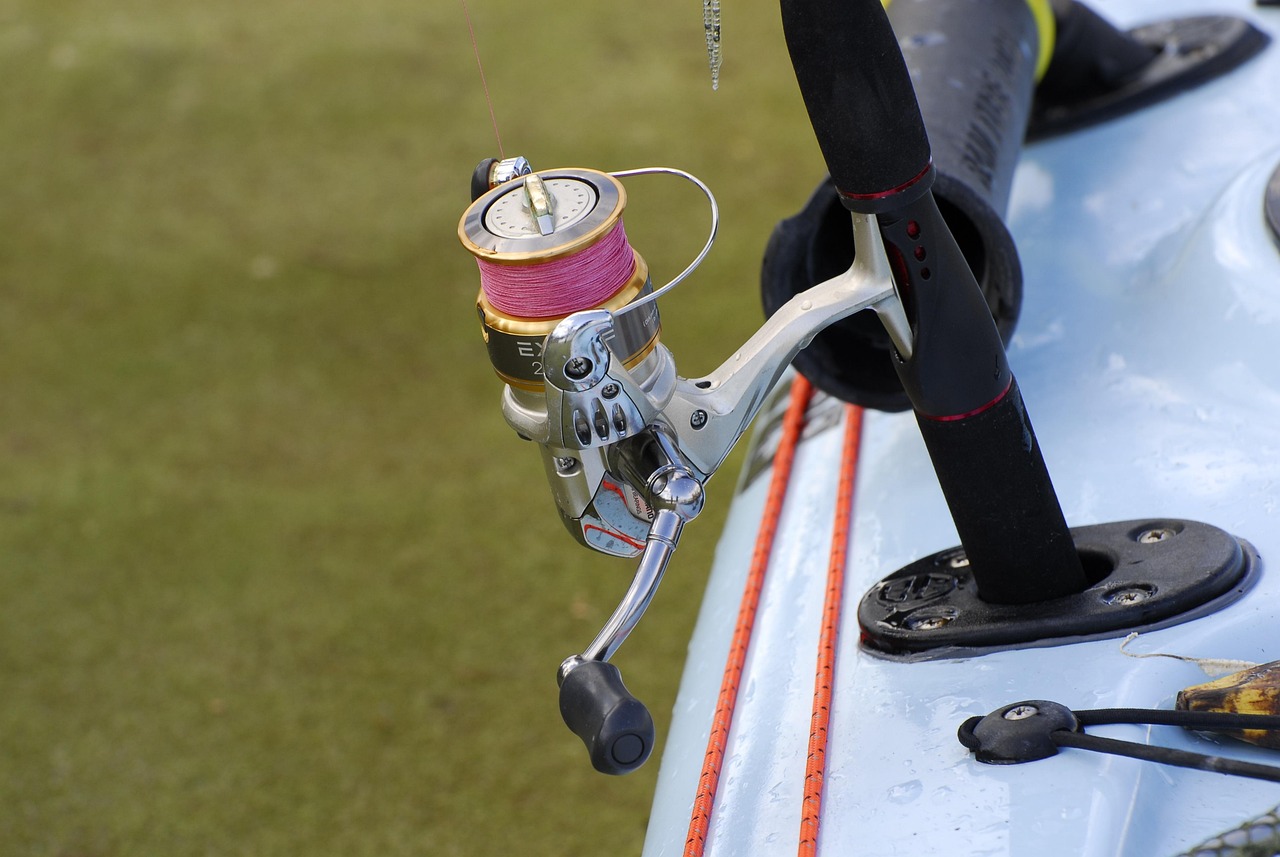
The short answer: Most beginners should start with 6- to 10-pound monofilament on a spinning reel. It is cheap, easy to tie, forgiving when you make casting mistakes, and good enough for bluegill, crappie, trout, bass, catfish, and many first freshwater trips. Braid and fluorocarbon are useful, but they are easier to appreciate after you understand what mono does well.
Fishing line looks simple on the shelf until you see three walls of labels: mono, braid, fluorocarbon, copolymer, low memory, abrasion resistant, extra limp, moss green, clear, hi-vis yellow, 4 lb, 8 lb, 30 lb, 150 yards, 300 yards. New anglers often overthink the decision and end up with line that is too heavy, too stiff, or too expensive for the way they actually fish.
This guide keeps the choice practical. You do not need the perfect line for every technique yet. You need a line that casts cleanly, ties reliable knots, matches your reel, and gives you enough confidence to keep fishing.
The simplest beginner choice
If you are setting up your first freshwater spinning combo, use this starting point:
- Panfish and stocked trout: 4- to 6-pound monofilament
- General pond and bank fishing: 6- to 8-pound monofilament
- Bass, small catfish, and mixed freshwater: 8- to 10-pound monofilament
- Heavy weeds, big catfish, or saltwater: choose a more specific setup instead of guessing
For most beginners, 8-pound mono on a 2500-size spinning reel is the easiest middle ground. It is light enough to cast small lures and bait rigs, but strong enough for common pond bass and surprise fish if your drag is set correctly.
Monofilament: the best first fishing line
Monofilament, usually called mono, is a single strand of nylon fishing line. It is the classic beginner line for a reason.
Why mono works well for beginners
- It is inexpensive, so respooling does not feel painful.
- It stretches, which helps protect light hooks and beginner hooksets.
- It is easy to cut and easy to tie.
- It floats or sinks slowly enough to work with bobbers, bait rigs, and many small lures.
- It is forgiving when your drag, casting, or knot tying is not perfect yet.
Mono is not flawless. It has more stretch than braid, so it is less sensitive in deep water. It also has more memory than braid, meaning it can hold coils after sitting on a spool. But for a beginner, those drawbacks are usually easier to live with than braid tangles or stiff fluorocarbon.
Best uses for mono
- Bobber fishing
- Worms, minnows, corn, and other bait
- Small spinners and spoons
- Beginner bass pond fishing
- Trout and panfish
- First rod-and-reel combos
If you only buy one spool of line at the start, make it mono.
Braided line: strong, thin, and not always beginner-friendly
Braided line is made from woven synthetic fibers. It is much thinner than mono at the same breaking strength, has almost no stretch, and lasts a long time. Experienced anglers use braid because it casts far, cuts through vegetation, and transmits bites very clearly.
That does not mean every beginner should start with it.
What braid does well
- Very strong for its diameter
- Excellent sensitivity
- Good casting distance on spinning reels
- Great around grass and heavy cover
- Long lifespan if cared for
What makes braid trickier
- It is slippery, so knots must be tied correctly.
- It can dig into itself on the spool if packed badly.
- It is easier to create wind knots with light lures and loose line.
- It is highly visible, so many anglers add a leader.
- It can cut fingers under tension.
Braid is worth learning, especially for bass, inshore fishing, and finesse spinning setups. But if you are still learning basic casting and knots, mono is less frustrating.
Fluorocarbon: useful, but rarely the easiest main line
Fluorocarbon is denser, less visible underwater, and more abrasion resistant than many mono lines. It is excellent as leader material and useful as main line for some lure techniques. But as a beginner main line, especially on spinning reels, it can be annoying.
Fluoro tends to be stiffer than mono. On a spinning reel, heavier fluorocarbon can jump off the spool in coils, create loops, and make casting feel worse. That does not mean fluoro is bad. It just means it is not the easiest first choice.
Best beginner use for fluorocarbon
Use it as a leader, not your whole spool.
A leader is a short piece of line tied between your main line and your hook or lure. If you eventually switch to braid, you can tie on 2 to 6 feet of fluorocarbon leader for clearer water, rocky bottoms, pressured fish, or toothy cover.
Good starter leader sizes:
- Panfish and trout: 4- to 6-pound fluorocarbon
- Bass finesse fishing: 6- to 10-pound fluorocarbon
- General bass and walleye: 8- to 12-pound fluorocarbon
- Light inshore fishing: 15- to 25-pound fluorocarbon
If you are new, do not make your first trip harder by spooling an entire spinning reel with heavy fluorocarbon.
What pound test should beginners use?
Pound test is the line’s rated breaking strength. A higher number is stronger, but it is not automatically better. Heavier line is thicker, more visible, harder to cast with small lures, and less natural with small bait.
Here is a practical starting chart:
| Use case | Beginner line choice |
|---|---|
| Bluegill, crappie, small trout | 4-6 lb mono |
| Stocked trout and panfish mix | 6 lb mono |
| General pond fishing | 6-8 lb mono |
| Beginner bass spinning setup | 8-10 lb mono |
| Braid on spinning reel for bass | 10-15 lb braid plus leader |
| Catfish from shore | 12-20 lb mono, depending on fish size |
| Pier or light saltwater fishing | 15-20 lb braid or 12-20 lb mono |
The most common beginner mistake is choosing line that is too heavy. If you spool 20-pound mono on a small spinning reel, it will usually cast poorly and behave badly. Match line to the reel and the average fish, not the biggest fish you can imagine.
Line color: clear, green, or hi-vis?
For your first spool of mono, clear or low-vis green is fine. Clear is the safest all-around choice. Green can blend well in ponds, weeds, and stained water.
Hi-vis yellow, orange, or chartreuse line helps you see bites and track your line, but it is more visible to fish. It is useful for some techniques, especially when paired with a clear leader. It is not necessary for a first setup.
If you are unsure, buy clear mono.
How much line should you put on the reel?
Do not underfill or overfill the spool.
On most spinning reels, fill the spool until the line sits about 1/8 inch below the spool lip. Too little line reduces casting distance. Too much line falls off in loops and creates tangles.
When spooling line, keep light tension on the line with your fingers or a cloth. After every few turns, stop and check whether line twist is building. If loops start forming, flip the supply spool over and continue.
When should beginners replace fishing line?
Replace mono when it looks cloudy, feels rough, has deep coils, or breaks too easily during knot testing. If you fish often, replacing mono every season is reasonable. If the reel sat in a hot garage, direct sun, or saltwater spray, inspect it sooner.
Braid lasts longer, but it still needs inspection. If the first few feet are fuzzy, faded, or damaged, cut that section off or retie your leader.
Fluorocarbon leaders should be checked often. Rocks, docks, shell, fish teeth, and hook points can nick the line quickly.
A simple line plan for your first three setups
If you want a no-drama starting plan, use these combinations:
First freshwater combo
- 6’6” to 7’ spinning rod
- 2500-size spinning reel
- 8-pound monofilament
- Small hooks, bobbers, split shot, and a few simple lures
This is the easiest first system for ponds, bluegill, crappie, trout, and small bass.
Beginner bass upgrade
- 7’ medium spinning rod
- 2500 or 3000 spinning reel
- 10- to 15-pound braid
- 6- to 10-pound fluorocarbon leader
This setup casts well, feels bites better, and works for finesse bass techniques once your knots are reliable.
Simple catfish bank setup
- Medium or medium-heavy spinning rod
- 3000 to 4000 spinning reel
- 12- to 20-pound monofilament
- Strong hooks and enough weight to hold bottom
Catfish fishing often needs more abrasion resistance and more pulling power, but you still do not need extreme line unless the fish and cover demand it.
Common beginner line mistakes
Avoid these and your first trips will go better:
- Spooling heavy line on a small reel
- Buying fluorocarbon main line before learning basic line management
- Using braid without learning a good braid knot
- Forgetting to wet knots before tightening
- Not cutting off frayed line after snags
- Filling the reel all the way to the rim
- Ignoring drag setting and blaming the line when it breaks
Line problems often look mysterious, but most are simple: wrong size, poor spooling, weak knots, or damaged line.
Final recommendation
If you are a beginner in 2026, start with 8-pound clear monofilament on a medium or medium-light spinning combo. Fish it for several trips before upgrading. Learn one good knot, check your line often, and set your drag so the line can slip under pressure.
Once you can cast without constant loops and tie clean knots every time, try 10- to 15-pound braid with a fluorocarbon leader. That is a useful next step. But the best beginner fishing line is still the one that lets you focus on fishing instead of fighting your gear.