How to Choose Your First Fishing Rod and Reel Combo: A Practical 2026 Beginner Guide
Choosing your first fishing rod and reel combo does not need to be confusing. This practical 2026 beginner guide covers spinning vs. baitcasting, the best starter sizes, line choice, realistic budgets, and a few beginner-friendly combo examples worth looking at.
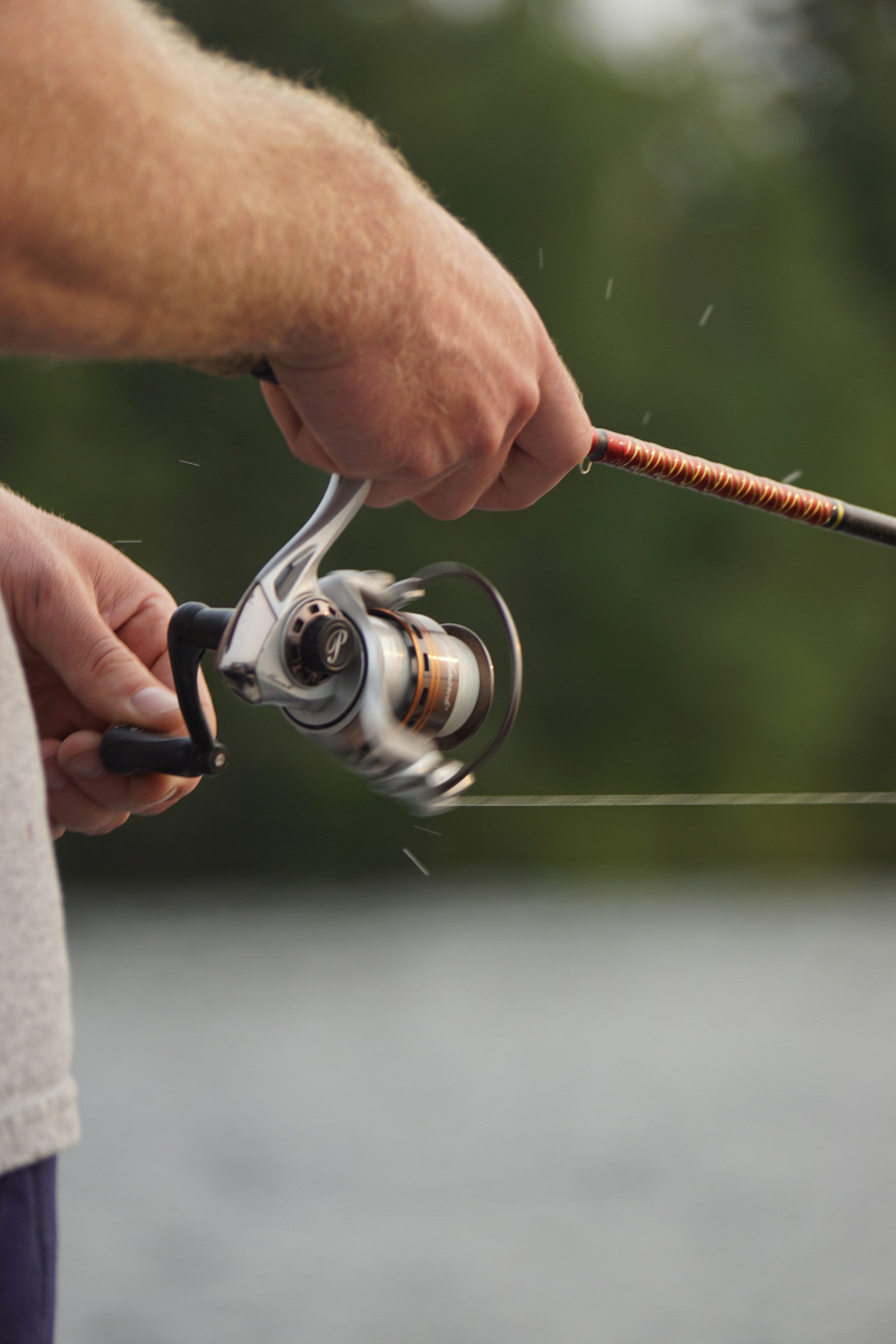
How to Choose Your First Fishing Rod and Reel Combo: A Practical 2026 Beginner Guide
The short answer: If you are buying your first real setup in 2026, start with a 6’6” to 7’ medium spinning combo, a 2500-size reel, and 6- to 8-pound monofilament. That combination is still the easiest, most forgiving, and most versatile way for a beginner to learn casting, line control, lure basics, and simple bait fishing without making the whole hobby harder than it needs to be.
That advice still shows up again and again in current beginner coverage because it works. Recent 2025-2026 buyer guides and beginner roundups from Outdoor Life, Wired2Fish, and other mainstream fishing outlets still lean toward spinning gear as the safest first choice, mid-length medium rods as the most flexible starting point, and practical starter budgets that stay far below the price of enthusiast gear.
The mistake is not buying a cheap combo.
The mistake is buying the wrong combo for your first few months on the water.
Why a Spinning Combo Is Still the Best First Choice
For most beginners, a spinning combo is still the right answer.
Why it wins:
- it is easier to learn than a baitcaster
- it throws light lures and simple bait rigs well
- line problems are usually less severe
- it works for ponds, lakes, river banks, docks, and many easy first-trip situations
- you can use it for panfish, trout, bass, and plenty of general freshwater fishing
Could you start with a baitcaster?
Sure. But you are choosing a steeper learning curve. Baitcasters are great once you know why you want one. For a true beginner, they also create more frustration through backlashes, braking adjustments, and lure-weight matching.
If you want the setup that gives you the best chance to enjoy your first trips, buy a spinning combo first and add specialized gear later.
The Best All-Around Rod Length and Power for Beginners
If you only want one combo, the safest starting range is:
- Rod length: 6’6” to 7’
- Power: medium
- Action: fast or medium-fast
This range keeps you in the middle, and the middle is good when you are new.
A rod in this zone is long enough to cast well from shore, short enough to handle comfortably, and strong enough to throw common beginner lures without feeling like a broomstick.
A few simple rules help:
- choose shorter than 6’6” only if you are young, very small-framed, or fishing in tight brushy spaces
- choose medium-light if your first target is mostly panfish or stocked trout with very small lures
- choose medium if you want one setup that can handle bobbers, worms, inline spinners, soft plastics, and small hard baits
- skip very heavy powers for your first combo unless you already know you are buying for big bass in cover, catfish, or inshore work
If you are unsure, a 6’6” medium spinning combo remains one of the hardest beginner buys to mess up.
What Reel Size Makes the Most Sense?
For spinning combos, 2500 is the easiest recommendation.
Why 2500 works so well:
- it balances nicely on common 6’6” to 7’ rods
- it handles general-purpose freshwater line sizes well
- it is not so tiny that it feels limiting
- it is not so large that the combo becomes clumsy or front-heavy
A quick way to think about sizes:
- 1000-2000: ultralight or very light trout/panfish setups
- 2500: best all-around beginner choice
- 3000: a reasonable step up if you want a little more line capacity or slightly heavier use
- 4000 and up: usually more reel than most first-time freshwater beginners need
You do not need to obsess over gear ratios on your first combo. A normal mid-range ratio is fine. Comfort, balance, and ease of use matter more.
Mono or Braid for a First Setup?
For most beginners, monofilament is still the smart place to start.
Use:
- 4- to 6-pound mono for lighter trout and panfish setups
- 6- to 8-pound mono for a one-combo freshwater beginner setup
- 8- to 10-pound mono if you want a little more forgiveness around cover or slightly bigger fish
Mono stays beginner-friendly because it is:
- cheaper
- easier to tie well
- more forgiving when your drag and hooksets are inconsistent
- less likely to create a miserable first experience
Braid absolutely has advantages. It is sensitive, strong for its diameter, and popular for many techniques. But for a first-time angler, braid can also make wind knots, digging, and leader decisions show up earlier than necessary.
If the combo comes pre-spooled with usable mono, that is often perfectly fine for learning.
A Realistic Beginner Budget in 2026
A practical first combo budget is usually about $60 to $120, with some solid options a little below or above that range.
That is enough money to buy something fishable and dependable without pretending your first setup needs to be premium.
A useful way to think about it:
- Under $50: possible, but quality becomes inconsistent fast
- $60 to $90: very workable for many beginners
- $100 to $150: often where combos start feeling noticeably smoother and better balanced
- Above that: nice if you know you are committed, but not required to start well
Current 2025-2026 buying guides make the same basic point: many entry and mid-priced combos are now good enough that beginners do not need to overspend, but the ultra-cheapest gear can still create unnecessary frustration.
What Features Matter Most on a First Combo?
Do not shop by hype words. Shop by usefulness.
The features that actually matter most are:
1. Balance
Pick up the combo and see whether it feels comfortable in one hand. A combo that feels awkward in the store usually feels worse after an hour of casting.
2. Smooth enough drag
It does not need to be luxury-smooth. It just needs to pull line without sticking and jerking.
3. Sensible rod power
Beginners often buy rods that are too stiff because “strong” sounds safer. In reality, a moderate starter setup is easier to cast and more pleasant to fish.
4. Simple versatility
Your first combo should throw a bobber rig, small soft plastic, inline spinner, or worm setup without drama. One combo that does many things fairly well beats a specialized setup you do not understand yet.
5. Durability
You are going to bump it, drop it, and learn with it. Beginner gear should survive normal beginner behavior.
Beginner-Friendly Combo Examples Worth Looking At
You do not need the exact models below, but this is the general level and style that makes sense to compare.
Current 2025-2026 recommendations and buyer guides frequently point beginners toward combos like:
- Pflueger President Spinning Combo for a smooth all-around freshwater setup
- Daiwa Crossfire Spinning Combo for budget-conscious versatility
- Ugly Stik GX2 or Ugly Stik Elite combos for durability and forgiveness
- Lew’s Mach Crush Spinning Combo for anglers willing to spend a bit more for a more refined feel
The lesson is not that one of these is magically correct.
The lesson is that the best beginner combos usually live in the same zone: practical spinning setups, mainstream lengths, medium or medium-light power, and price points that do not punish you for still learning.
Mistakes That Make Beginners Buy the Wrong Combo
Buying for fantasy fishing instead of real fishing
A lot of first purchases are based on what looks exciting online instead of where the person will really fish.
If your first trips will be ponds, park lakes, neighborhood banks, and easy docks, buy for that reality.
Going too heavy
Many beginners think heavier automatically means more capable. Often it just means harder casting, worse lure performance, and less fun.
Overvaluing bearings and marketing numbers
A giant feature list does not automatically make a combo better for a beginner. Ease of use beats spec-sheet bragging.
Buying a baitcaster too soon
A baitcaster is not a status upgrade. It is just another tool. Learn why you need one before making it your first setup.
Ignoring line choice
Even a good combo can feel bad if it is filled with line that does not match your skill level or fishing style.
A Simple First-Combo Formula That Works
If you want the cleanest answer possible, use this:
- Rod: 6’6” or 7’ spinning rod
- Power: medium
- Action: fast
- Reel: 2500 size spinning reel
- Line: 6- to 8-pound monofilament
- Budget: about $60 to $120
That setup gives you room to learn:
- casting from shore
- fishing under a bobber
- throwing small spinners
- working simple soft plastics
- catching a wide mix of common beginner fish
It is not perfect for everything, and that is fine. It is perfect enough to get you started without slowing down your learning.
What Should Your Next Upgrade Be Later?
Do not rush this part.
After a few trips, you will usually notice what you want more of:
- lighter gear for panfish and trout
- heavier gear for bass around cover
- braid for better sensitivity
- a second combo for specific lure styles
That is the right time to specialize.
Your first combo should teach you what your second combo needs to be.
The Best Next Step
If you are standing in a store or filling an online cart right now, keep your first purchase boring on purpose.
Buy a 6’6” to 7’ medium spinning combo with a 2500 reel, spool it with 6- to 8-pound mono, and spend the rest of your energy learning where fish hold, how your lure or bait behaves, and how to cast cleanly.
That is still one of the cheapest, smartest, and least frustrating ways to start fishing in 2026.