Devils Lake Fishing Guide 2026: Walleye, Perch, Pike, and Shore Access
A practical Devils Lake fishing guide for 2026 covering seasons, walleye patterns, perch and pike options, shore access, ice fishing, and simple trip planning.
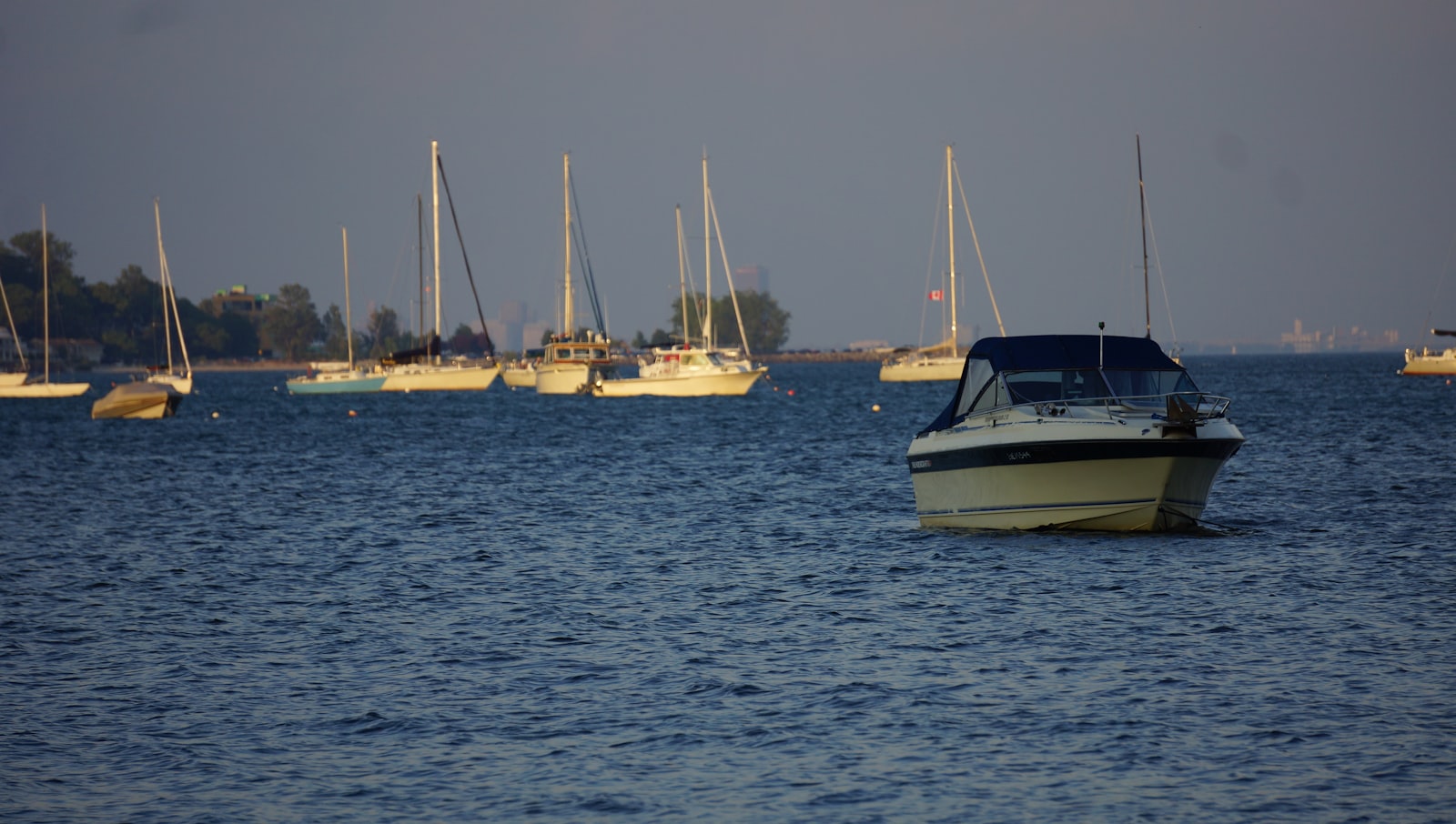
Devils Lake is one of the most dependable inland fishing trips in the Upper Midwest because it gives anglers several ways to win. You can chase classic walleye patterns, pick through schools of yellow perch, throw bigger presentations for northern pike, or plan an ice trip when winter access opens up water that is hard to reach by boat in summer.
The lake is also different from a neat reservoir with obvious banks and predictable structure. Devils Lake is big, shallow in many areas, full of flooded roads, old shorelines, trees, points, bays, bridges, and wind-blown edges. That makes it productive, but it also means a first trip should be planned around mobility instead of one magic spot.
This 2026 Devils Lake fishing guide focuses on the practical decisions: when to go, what species to target, how to choose areas, and what tackle makes sense for a visiting angler.
Bottom line
If you are planning a Devils Lake fishing trip, build your plan around season and wind first:
- Spring and early summer are strong for shallow walleye near warmer water and wind-driven shorelines
- Summer often rewards anglers who cover structure, bridges, humps, and weed edges instead of sitting still
- Fall can be excellent when bait and fish slide back toward sharper breaks and current-influenced areas
- Winter is a major season here, especially for walleye and yellow perch, but ice safety and mobility matter
Devils Lake is not a place where you need exotic tackle. You need reliable walleye gear, a few search presentations, local access awareness, and enough flexibility to move when the first plan is not producing.
Why Devils Lake is worth the trip
Devils Lake has earned its reputation because it fishes like several lakes stitched together. Wind can push bait and stained water onto one side while another area feels flat. A shallow bay may hold active fish early, then a bridge, roadbed, or deeper basin edge may become more important later in the day.
That variety is useful for anglers because it creates options. If one pattern fails, you are not stuck with a single shoreline or one narrow offshore zone. You can adjust by depth, water clarity, wind direction, and species.
The main gamefish that draw most visitors are walleye, yellow perch, northern pike, and white bass. Walleye get the most attention, but the lake is also popular with anglers who want a mixed-bag trip where the same week can include jigging, trolling, casting, slip bobbers, and ice fishing.
Best seasons to fish Devils Lake
Spring
Spring is one of the most approachable windows for visiting walleye anglers because fish often use shallower water than they do in the heat of summer. Warmer bays, wind-blown banks, rock, flooded timber edges, and bridge areas can all be worth checking.
Cold fronts still matter. A sunny warming trend can make shallow fish more aggressive, while a hard front may push them tighter to cover or slightly deeper. When the bite feels slow, reduce speed before changing your whole plan.
Good spring starting points include:
- jigs tipped with minnows or soft plastics
- shallow crankbaits around rock and wind
- slip bobbers near visible structure
- slow trolling along breaks when fish are scattered
Summer
Summer fishing can still be very good, but it often requires more searching. Walleye may use weed edges, humps, points, flooded roads, bridges, and basin transitions depending on light, wind, and bait movement.
This is when electronics and maps become more valuable. You are looking for life, not just pretty contours. If you mark bait and a few fish near a break, slow down and work the zone. If an area looks clean but empty, keep moving.
Common summer tactics include bottom bouncers with spinners, crankbait trolling, jigging structure, and casting along wind-driven edges.
Fall
Fall can be a strong period for bigger fish and more comfortable fishing pressure. Cooling water tends to consolidate bait, and walleyes may become easier to pattern around sharper breaks, current-influenced areas, and wind-hit structure.
Do not assume every fish is deep. Wind, low light, and bait movement can still put active walleyes shallow, especially around rock, points, and flooded shoreline structure.
Winter
Devils Lake is a serious ice fishing destination. Winter anglers target walleye, perch, and pike, often using mobility to stay with fish as they shift between basins, structure, and feeding windows.
The practical rule is simple: never treat old reports as a safety guarantee. Ice thickness can vary around pressure ridges, current, bridges, access points, and heaves. Check current local information, use proper ice safety gear, and do not follow vehicle tracks blindly.
Main species to target
Walleye
Walleye are the headline species. A good Devils Lake walleye plan usually mixes search tools and slower finishing tools. Use crankbaits, spinners, or casting presentations to locate active fish, then use jigs, live bait, or slip bobbers when you find a tighter group.
The most useful walleye locations often include:
- wind-blown shorelines
- points and saddle areas
- bridge openings and current-influenced water
- flooded roads and old structure
- weed edges and nearby breaks
Pay attention to wind. On Devils Lake, wind is not just a comfort issue. It can position bait, stain clear water, and turn a quiet shoreline into the best bank on the lake.
Yellow perch
Perch can be one of the most rewarding targets, especially through the ice. The challenge is that schools move, and small fish can waste time if you refuse to relocate.
A practical perch setup is light, sensitive, and simple: small spoons, tungsten jigs, waxworms, spikes, minnows, or plastics depending on season. When you find better-size fish, stay efficient. Perch windows can be short, and sorting through the school quickly matters.
Northern pike
Northern pike are a good backup plan and a fun primary target for anglers who like bigger hits. Pike relate to weed edges, shallow bays, ambush cover, and areas with steady bait.
Use leaders when pike are common. If you are walleye fishing with light fluorocarbon and keep getting bitten off, the lake is telling you to adjust.
White bass
White bass can make a slow day much more active. Look for surface activity, baitfish, wind-blown points, and areas where birds or nervous water reveal feeding fish. Small spoons, lipless crankbaits, swimbaits, and inline spinners can all work when they are chasing.
Shore fishing and access
Devils Lake is not only a boat lake. Shore anglers can catch fish from public access areas, bridges, riprap, road crossings, and wind-blown banks. The key is choosing shorelines that give fish a reason to be within casting range.
Look for:
- wind pushing into the bank
- rock, riprap, or bridge structure
- nearby deeper water
- current from bridges, culverts, or narrows
- visible bait activity
For shore walleye, low light is your friend. Early morning, evening, cloudy conditions, and wind can all improve the odds. A long, powerful spinning rod helps with casting, but location still matters more than raw distance.
Boat and kayak planning
A boat gives you more water, but Devils Lake still rewards caution. The lake has flooded timber, changing water levels, old roads, and shallow hazards that deserve respect. Use updated maps, watch your speed in unfamiliar areas, and pay attention to wind forecasts.
Kayak anglers should be even more selective. Devils Lake can get rough quickly, and a productive area is not automatically a safe paddle. Choose protected launches, avoid long open-water crossings, and treat wind direction as a trip-planning variable, not an afterthought.
Simple tackle checklist
You can fish Devils Lake with a compact, practical kit:
- medium-light or medium spinning rod for jigs and live bait
- medium casting or spinning setup for crankbaits and pike lures
- jig heads from light shallow sizes up to heavier wind-friendly options
- soft plastics, minnows, and slip bobber gear
- shallow and medium-diving crankbaits
- bottom bouncers, spinner rigs, and crawler harnesses for summer searching
- small spoons and tungsten jigs for perch and ice fishing
- pliers, jaw spreaders, and leaders if pike are likely
For most visitors, the biggest gear mistake is bringing too much specialty tackle and not enough basic redundancy. Extra jigs, leaders, line, and weather-appropriate clothing are more useful than a box full of lures you will not fish confidently.
Common mistakes
The first mistake is treating Devils Lake like one lake with one pattern. It is more useful to think in zones: shallow wind, bridge current, weeds, flooded structure, basins, and breaks.
The second mistake is ignoring wind. Calm water may be comfortable, but active walleyes often use wind to feed. If the safe windward side is fishable, it deserves attention.
The third mistake is waiting too long in empty water. Devils Lake is large enough that you can burn a whole day hoping the fish come to you. If you are not seeing bait, marks, bites, or useful structure, move.
The fourth mistake is underestimating ice safety. Winter fishing is a major draw, but access can change quickly. Current information beats habit every time.
Final take
Devils Lake is one of the best 2026 fishing trips for anglers who want a practical mix of walleye, perch, pike, and ice fishing potential. It is productive enough for a first-time visitor, but complex enough that planning matters.
Start with the season, watch the wind, use maps to narrow water, and stay mobile. The lake rewards anglers who keep making informed adjustments instead of trying to force one presentation all day.