Best Kayak Fishing Setup for 2026
A practical 2026 guide to building a kayak fishing setup that stays stable, organized, and worth the money.
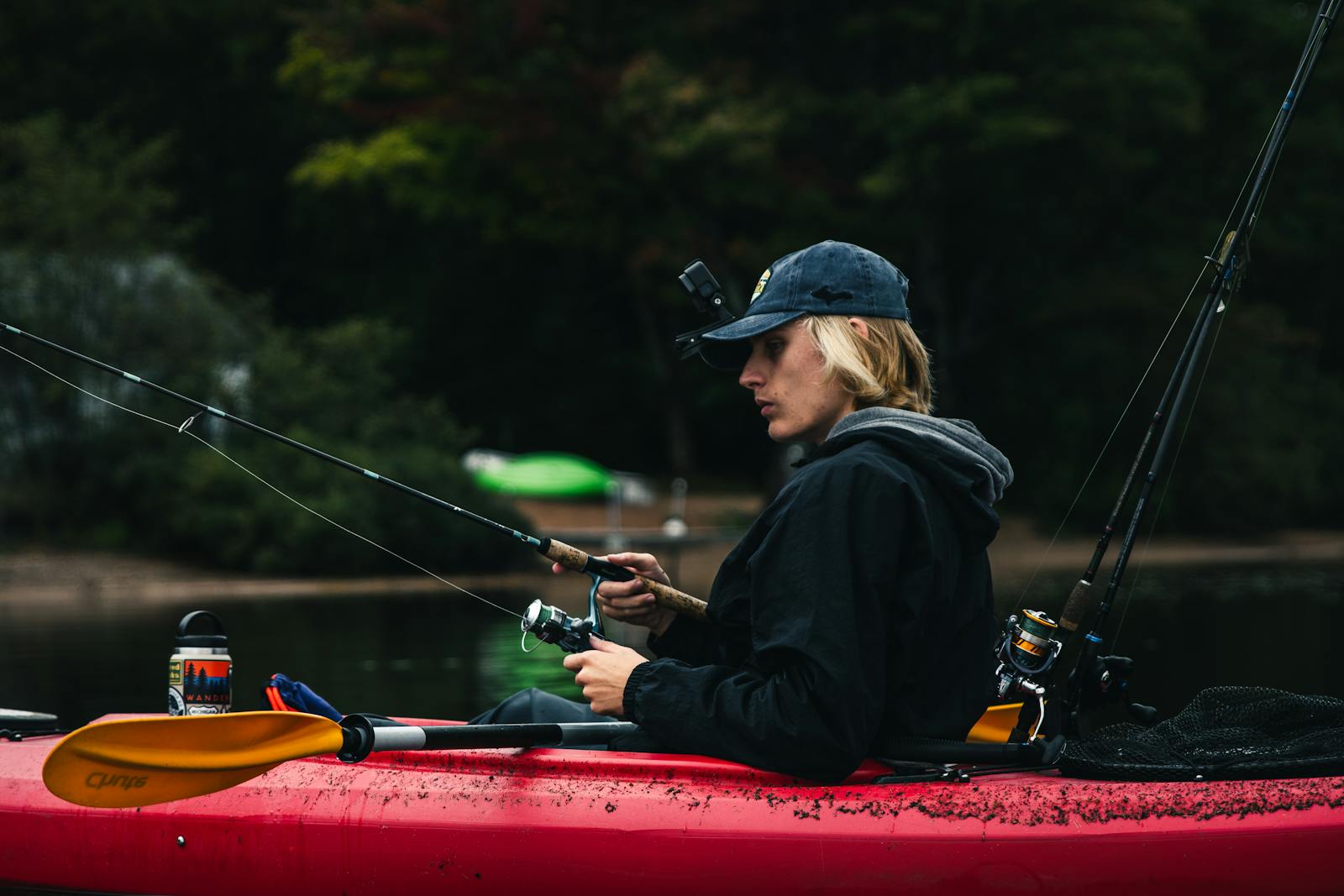
If you want a better kayak fishing setup in 2026, the smartest move is not buying every accessory you see. It is building a rig that stays stable, keeps the deck clean, and solves real problems on the water.
That is the big shift right now. A few years ago, a lot of kayak setups were turning into floating hardware stores. In 2026, the better setups are more deliberate. Anglers still want pedal drives, fish finders, lithium batteries, rail-mounted accessories, and even compact motors, but the best rigs are not the ones with the most parts. They are the ones that let you fish longer, move cleaner, and waste less time digging for gear.
Bottom line
The best kayak fishing setup for 2026 starts with five priorities: a stable fishing kayak, a comfortable seat, a reliable PFD, simple rod-and-tackle organization, and only the electronics you will actually use. Add motors, sonar, anchor systems, and extra storage after the core layout feels right.
If you are building from scratch, I would spend money in this order:
- Hull stability and seat comfort
- Safety gear
- Rod holders and tackle organization
- Fish finder and battery
- Propulsion upgrades like pedal drives or a compact trolling motor
That order is less exciting than buying gadgets first, but it leads to a setup that is easier to launch, easier to manage, and much harder to hate after three long trips.
What is changing in kayak fishing setups in 2026
The clearest trend is restraint. Serious kayak anglers are still upgrading, but they are doing it with more purpose.
Pedal-drive kayaks remain the easiest way to keep both hands free while working shorelines, docks, grass, or current seams. Models from brands like Hobie and Old Town still define the premium end because they let you hold position and fish efficiently without standing on a paddle all day.
At the same time, electric add-ons are getting more practical. Compact trolling motor setups and cleaner battery systems are making sense for anglers who fish bigger water, wind, or current. The catch is that every upgrade adds weight, wiring, and launch hassle. If your “upgrade” makes the kayak slower to rig and less pleasant to transport, it is not automatically an upgrade.
Another major trend is modular rigging. Track-mounted accessories from brands like YakAttack and similar systems have become standard because they let anglers move rod holders, fish finders, camera mounts, and cup holders without drilling the kayak into a permanent mess. That flexibility matters. Most kayak rigs improve when you can adjust them after a few real trips.
The core pieces every good setup needs
1. A kayak you can actually stand and fish from
A fishing kayak does not need to be giant, but it does need to match how and where you fish. In 2026, the sweet spot for many anglers is still a stable 10- to 13-foot platform with enough deck space for standing casts, a real seat, and room for a crate or tankwell system behind the seat.
If you fish small lakes, ponds, and protected rivers, you can stay lighter and simpler. If you fish wind, current, tidal water, or big reservoirs, stability and tracking matter more than shaving a few pounds.
The mistake people keep making is shopping by feature list instead of fishing style. A kayak can look amazing online and still be the wrong tool if it is too heavy for solo loading or too wide for the kind of water you fish.
2. A seat that keeps you on the water longer
Seat comfort is not a luxury item. It is part of your fishing performance. If your back or hips are cooked after two hours, everything else in your setup gets worse.
A good seat changes how long you can stay focused, how often you stand up, and how much energy you still have when the evening bite starts. That is why I would rather fish from a modest kayak with a genuinely good seat than from a flashy rig that becomes uncomfortable halfway through the trip.
3. A PFD you will actually wear
This should not be controversial, but it still is. A fishing-specific PFD with usable pockets and decent ventilation is one of the best upgrades you can make. Plenty of kayak anglers like options such as the NRS Chinook or similar fishing-focused designs because they work with high-back seats and keep basic tools close.
A cheap, bulky PFD that you hate wearing usually ends up behind the seat, which defeats the whole point.
4. Clean rod and tackle storage
This is where a lot of setups either get sharp or get sloppy.
For most anglers, two or three rods are enough on the deck. More than that usually creates tangles, clutter, and one more thing to grab at the wrong time. A crate system, compact tackle trays, and a simple track-mounted rod holder setup usually beat a giant pile of loose gear.
The best storage rule is easy: if you cannot reach it quickly while seated, it probably does not belong in your primary layout.
5. Electronics that match your real fishing
A fish finder can be a great upgrade, especially if you fish offshore structure, channels, ledges, or deeper water. But a lot of kayak builds overspend here. A clean compact graph with a dependable lithium battery is usually better than a huge screen that dominates the cockpit.
If you are still learning how to manage the kayak itself, keep the electronics simple. If you already know how you fish and where you lose time, then electronics become a real edge instead of an expensive distraction.
The accessories worth buying first
If I were building a setup right now, these are the accessories I would prioritize:
Track-mounted rod holders
They keep rods secure, adjustable, and easy to reposition as your layout changes.
A crate or rear storage system
A good crate gives you structure. Without one, a lot of kayak setups become loose bags and random boxes.
A compact landing net
A long-handled, oversized net is usually awkward on a kayak. Compact and reachable wins.
Paddle holder or paddle park
This sounds boring until you need both hands right now.
Dry bag and small tool kit
Phones, keys, leader spools, pliers, spare fuses, and a basic repair item or two need a predictable home.
Anchor trolley or controlled drift setup
If you fish wind or current, boat control matters almost as much as lure choice.
Mistakes that ruin otherwise good kayak setups
Over-rigging
This is still the number one problem. Too many mounts, too many accessories, too much weight, and too much junk on the deck. The result is slower launches, worse balance, and more mental noise.
Bad weight distribution
Heavy batteries, crates, and extra gear need to stay low and centered whenever possible. A poorly balanced kayak feels worse before you even make the first cast.
Buying for social media instead of real use
Some kayak rigs look great in photos and are annoying in actual fishing. A good setup is not the one with the most impressive walkthrough video. It is the one that makes repeated trips easier.
Ignoring transport and launch reality
A lot of people build a great “on-water” rig and a terrible “get-it-to-the-water” rig. If loading, unloading, and launching become a chore, you will fish less.
Who should buy what
If you are a beginner, stay simple. Stable kayak, solid seat, good PFD, two rods, basic crate, and maybe a compact fish finder later.
If you fish often and already know your style, then pedal drives, lithium power, advanced sonar mounts, and motor add-ons can be worth it, but only if they solve a clear problem.
If you fish smaller water and short sessions, do not let the internet convince you that you need a tournament-level rig. A clean, light, fast-launching setup is often the smarter buy.
Final verdict
The best kayak fishing setup for 2026 is not the most expensive one. It is the one that balances stability, comfort, organization, and efficiency without turning the kayak into a bloated project.
If you build around the hull, seat, safety gear, storage, and realistic electronics first, you will end up with a rig that fishes better than a lot of overloaded premium setups. That is where the real value is.
My take: buy fewer accessories, but buy the right ones. Kayak fishing gets better fast when the setup disappears and the fishing takes over.