Best Fishing Vests for Bank Anglers in 2026: 5 Practical Picks for Mobility, Storage, and All-Day Comfort
A practical 2026 guide to the best fishing vests for bank anglers, including what pocket layout, fit, ventilation, and carry capacity actually matter when you fish on foot.
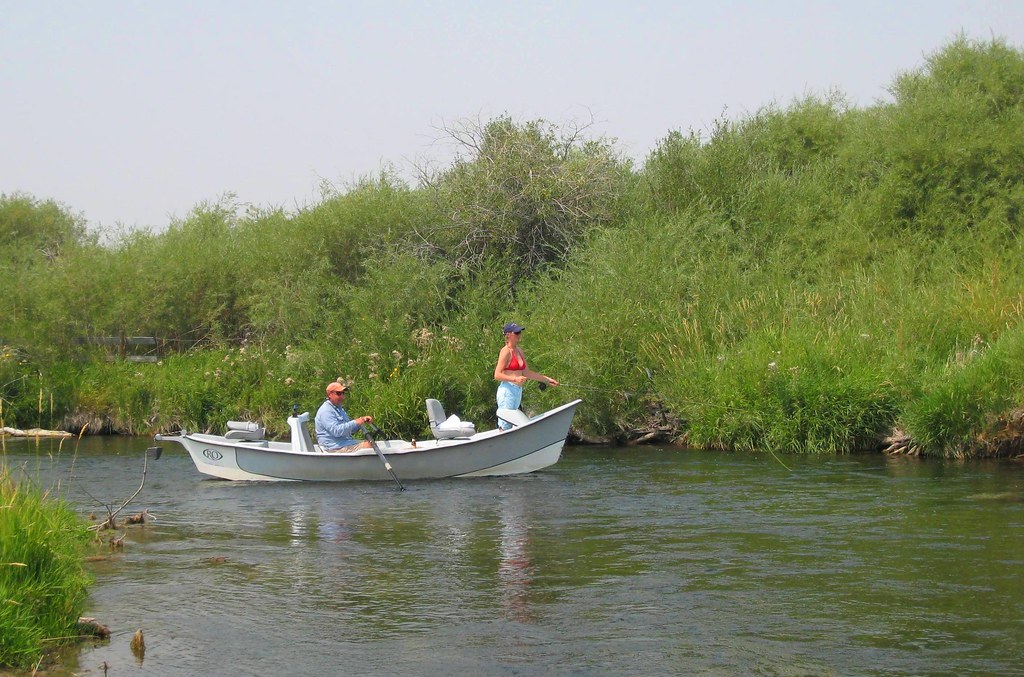
If you fish on foot, your storage system matters more than people admit. A lot of bank anglers bounce between two bad extremes: overstuffing a backpack they have to take off every few minutes, or jamming pliers, soft plastics, leader spools, and snacks into random shorts pockets until everything feels disorganized and irritating. The best fishing vests in 2026 still solve a very simple problem: they keep essential gear on your body, accessible, and balanced while you keep moving.
That makes a vest different from a backpack review. A backpack is still better when you need more trays, extra layers, water, or camera gear. But for creek walks, pond hopping, light river sessions, dock fishing, and short evening bank trips, a good vest often feels faster and less annoying. Current 2025–2026 tackle trends also reflect that the old bulky photographer-style vest is no longer the only option. Modern choices range from classic mesh vests to hybrid pack vests and minimalist chest-focused systems that carry better than the old “twenty pockets, zero ergonomics” approach.
Bottom line
If you want the shortest answer first, here it is:
- Choose a traditional fishing vest if you want maximum pocket access and fish mostly with light, compact gear.
- Choose a pack vest or hybrid vest if you want better weight distribution and enough capacity for longer walking sessions.
- Prioritize fit, ventilation, and usable pocket layout over raw pocket count.
- For most bank anglers, the best vest is the one that carries tools, terminal tackle, one or two lure boxes, leader material, and small personal items without sagging or bouncing.
My blunt opinion: many cheap fishing vests look feature-rich online and feel miserable after two hours on the bank.
What actually matters in a fishing vest for bank anglers
A vest only works when the layout matches how you fish. These are the buying factors that actually matter.
1. Pocket layout that makes sense
More pockets is not automatically better. A vest should have a few pockets you can reach without thinking, plus enough structure that tools and small tackle stay where you expect them. If the storage layout turns into a scavenger hunt every time you need forceps or a jig head, it is not efficient.
The most useful vest layouts usually include:
- one or two quick-access chest pockets
- a secure tool attachment point
- rear storage for a rain shell or light extras
- at least one pocket that can hold a small fly box or compact utility box cleanly
2. Fit and weight distribution
A vest that rides badly becomes exhausting fast. This matters even more for bank anglers than for anglers who mostly stand in one place. You may be stepping over riprap, ducking limbs, walking creek banks, or moving every ten minutes looking for active fish.
A good vest should feel stable when loaded, not like it is dragging your shoulders down from the front.
3. Ventilation
A vest that feels fine in spring can become miserable in June. Mesh panels, lighter fabrics, and less bulk matter more than marketing language about “technical performance.” If you fish in warm weather, breathability is a real quality-of-life feature, not a luxury.
4. Capacity discipline
The best vest is not the one that lets you carry your whole garage. It is the one that quietly limits you to the gear that makes sense for a mobile session. For bank fishing, that is often a strength.
5. Compatibility with your style of fishing
There is a reason fly-focused pack vests and general fishing vests look different. Fly anglers often carry more small tools, floatant, tippet, and slim boxes. Spin anglers may want more room for soft plastics, terminal boxes, scent, or compact hard-bait storage. The best vest for you depends on whether you fish ultralight, trout, bass, panfish, or mixed water.
Best fishing vests for bank anglers in 2026
These are the sensible picks, not the ones with the loudest product pages.
1) Fishpond Upstream Tech Vest — Best overall for serious walk-and-wade anglers
Best for: anglers who want the cleanest blend of comfort, organization, and modern carry
Fishpond keeps earning respect in this category because its vest systems are built around actual fishing movement instead of old-school cargo overload. The Upstream Tech Vest is one of the best all-around choices for anglers who spend time walking banks, wading, or bouncing between access points with a light but purposeful loadout.
Why it stands out
- better weight distribution than many cheap traditional vests
- modern materials and ventilation that feel less dated and stuffy
- strong tool organization without turning into pocket chaos
- rear storage that adds real usefulness for longer sessions
Watch out for
It is not a bargain-bin option. If you fish only a few casual sessions a year, the price may feel ambitious.
2) Simms Tributary Vest — Best classic-style value pick
Best for: anglers who want a familiar vest layout without spending premium money
The Simms Tributary Vest makes sense because it stays simple. It does not try to reinvent fishing storage, but it gives you the classic chest-pocket access many anglers still want. For bank anglers who like lightweight spin fishing, trout gear, small tools, and compact tackle organization, it is an easy model to understand and use.
Why it stands out
- classic front-access pocket design
- lighter and less fussy than many overloaded hybrid systems
- strong fit for short sessions, streams, and small-water fishing
- good brand reputation without full premium pricing
Watch out for
Like most traditional vests, it can feel front-heavy if you overpack it. Discipline matters.
3) Orvis Pro Vest — Best premium traditional vest
Best for: anglers who want the cleanest version of the traditional vest format
Orvis has long understood that a classic vest can still work if the design is refined instead of just multiplied. The Pro Vest is one of the better options for anglers who truly want chest-level access and enough organization for technical trout fishing, ultralight river fishing, or minimalist bank sessions where fast tool reach matters more than total storage volume.
Why it stands out
- excellent organization for small tools and compact tackle
- cleaner build quality than many lower-end vest copies
- good balance between structure and mobility
- works especially well for trout, panfish, and finesse-style outings
Watch out for
It is more of a specialist-friendly vest than a budget-friendly one, and it is not the best answer if you carry bulky bass tackle.
4) Allen Company Gallatin Ultra-Lite Vest — Best budget-friendly lightweight choice
Best for: anglers who want a breathable, inexpensive entry point
If you want a basic fishing vest without pretending you need a premium technical system, the Gallatin Ultra-Lite is a reasonable way in. It is especially useful for anglers testing whether they actually like the vest format before spending more.
Why it stands out
- light and breathable for warm-weather use
- affordable enough for casual anglers
- straightforward layout that is easy to understand
- practical for panfish, trout, and simple shore sessions
Watch out for
You should not expect the same long-term materials, structure, or comfort as premium models. This is a value play, not a forever vest.
5) Patagonia Stealth Pack Vest — Best hybrid pack-vest for longer mobile sessions
Best for: anglers who want vest access plus better carry for longer walks
The Patagonia Stealth Pack Vest fits anglers who have outgrown the old-school vest but do not want to go back to stopping and digging through a backpack all day. Hybrid pack vests distribute weight more evenly and usually feel better once you start carrying extra accessories, a shell, water, or a fuller all-day loadout.
Why it stands out
- better balance than front-heavy classic vests
- combines fast front access with more useful rear capacity
- strong option for longer riverbanks, trail access, and all-day sessions
- feels more modern than many standard mesh vest designs
Watch out for
If you only fish short local sessions with minimal gear, the extra structure may be more than you need.
Which type of bank angler should buy a vest?
A vest makes the most sense when:
- you move often and hate setting down a backpack
- you fish creeks, rivers, ponds, or canal banks with light to moderate gear
- you want pliers, line, terminal tackle, and a small lure selection within easy reach
- you prefer a lighter loadout and fish shorter sessions
A vest makes less sense when:
- you always carry multiple 3700 trays
- you need lots of water, layers, camera gear, or a full-size net
- your fishing style revolves around bulkier bass tackle systems
In those cases, a compact backpack or sling pack is usually better.
Mistakes anglers make when buying a fishing vest
Buying by pocket count alone
This is the oldest trap in the category. Too many pockets often creates clutter, not efficiency.
Ignoring climate
A hot, poorly ventilated vest becomes dead weight in summer. If you fish in warm weather, buy accordingly.
Overpacking it like a backpack
A vest is supposed to simplify. If you overload it, the whole point disappears.
Choosing fly-specific storage for bulky spin gear
Some very good vests are still poor fits for anglers who carry heavier tools, bait jars, or thicker soft-plastic packs.
The smart buy in 2026
For most bank anglers, the smartest fishing vest in 2026 is not the most “advanced” one. It is the one that keeps you moving, keeps your tools reachable, and does not make your shoulders hate you after an hour.
If you want the safest all-around choice, a modern hybrid or high-quality traditional vest from a proven fishing brand is still the best answer. If you are testing the category or mostly fish quick local water, a lighter classic vest can still do the job well.
The main thing is to buy a vest that supports mobility instead of pretending you need to wear an entire tackle room.
Rating: 4.6/5
Research notes
This article is based on current 2025–2026 product positioning and recurring practical guidance across major fishing retailers and established gear brands, especially the consistent advantages of lighter ventilation, disciplined pocket layouts, and hybrid pack-vest systems for anglers who fish on foot.