Beginner Fishing Tackle Bag Checklist: What to Pack for Your First Trip in 2026
A practical beginner fishing tackle bag checklist covering what to pack, what to skip, the core terminal tackle that actually matters, and how to keep your first trip simple in 2026.
Beginner Fishing Tackle Bag Checklist: What to Pack for Your First Trip in 2026
The short answer: For your first fishing trip, pack one small tackle bag, extra line, a few hooks, a few sinkers, a couple of bobbers, pliers, sunscreen, water, and your fishing license, then stop. A beginner does not need a giant tackle backpack full of random gear. The best first-trip kit is light, easy to understand, and easy to keep organized while you learn.
That is the whole game.
The most useful current beginner advice still points to the same idea in 2026: keep your kit small, match it to one simple plan, and check local regulations before you go because license rules, legal baits, and size limits can change by state, season, and water.
Why a Small Tackle Bag Beats a Big One
A lot of beginners make the same mistake on trip one.
They buy too many lures, too many tools, too many spare parts, and a bag large enough for a weekend tournament. It feels like preparation, but it usually creates confusion. You spend more time digging than fishing.
A small beginner bag is better because:
- it keeps your setup simple
- it is easier to carry while bank fishing, pier fishing, or walking a pond
- it helps you learn what each item actually does
- it makes re-rigging faster when something breaks or tangles
- it reduces the chance that you bring expensive clutter instead of useful basics
If you can carry your whole first-trip kit in one compact bag or small box, you are probably doing it right.
The Core Tackle Bag Checklist
Here is the version that actually makes sense for a first trip.
1. Extra fishing line
Bring one spare spool.
For most beginners, monofilament in the 6- to 10-pound range is the easiest place to start for general freshwater fishing. It is affordable, forgiving, and easier to manage than braid when you are still learning knots and fixing tangles.
If you already know you are targeting bigger fish or fishing around heavy cover, move a little heavier. But for a normal first trip, lighter all-purpose mono keeps things simple.
2. Hooks in only a few useful sizes
You do not need a giant hook assortment.
Bring a small pack of basic hooks in just a few sizes, such as #6, #4, and #2 for worms, small live bait, and general beginner bait fishing. If you expect larger fish, add one slightly bigger option, but keep it limited.
The goal is to avoid turning your first trip into a hardware puzzle.
3. Sinkers or split shot
A few light weights solve most beginner problems.
Pack:
- split shot for easy adjustment
- a few small egg or bullet sinkers
- just enough size range to handle shallow water, light wind, or a little current
For many beginner bank-fishing situations, 1/8 ounce to 3/8 ounce covers a lot. More than that usually means you are solving problems you do not have yet.
4. Bobbers or floats
A bobber is still one of the best beginner tools because it helps you see bites, control depth, and slow your whole process down.
Bring one or two simple clip-on bobbers or small fixed floats, not a whole wall of them. If you are fishing with worms, minnows where legal, or other natural bait, this is one of the easiest ways to stay engaged and actually learn what your rig is doing.
5. Pliers or a compact multi-tool
This is not optional.
A small pair of needle-nose pliers with a line cutter helps with hook removal, pinching split shot, trimming knots, and dealing with the little problems that always show up on the bank.
Fishing without pliers is one of those decisions that feels fine until the exact moment it is not.
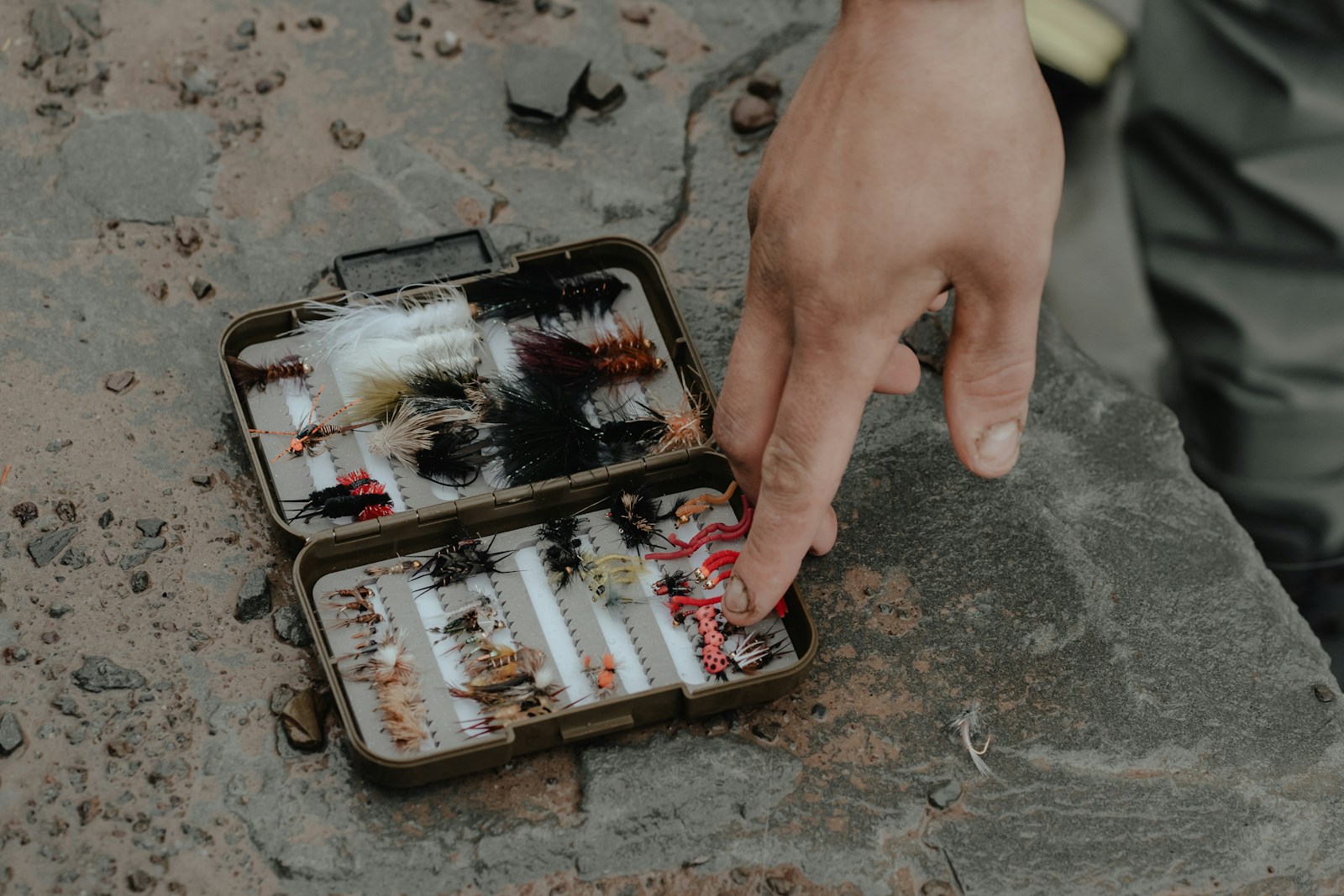
6. One small box or organizer for terminal tackle
Your bag should not be one giant pocket full of loose metal.
Use one compact organizer for hooks, weights, swivels, and bobbers. That alone makes your first trip cleaner and faster. You do not need a premium system. You just need to know where your stuff is.
The Non-Tackle Items Beginners Forget
A first-trip bag is not just hooks and line.
These items matter just as much:
- Fishing license or digital proof where required
- Local regulations note or app screenshot for size limits, bag limits, and bait rules
- Polarized sunglasses for eye protection and glare reduction
- Sunscreen and a hat
- Water so you do not quietly cook yourself on the bank
- Small towel or rag for wet hands and fish slime
- Line clippers or small scissors if your pliers do not include cutters
- A trash bag for used line, packaging, and bait containers
That is the kind of boring gear that keeps the trip comfortable and legal.
What You Should Skip on Trip One
This part saves beginners money.
Do not feel pressured to pack:
- twenty lure styles
- multiple rods
- a giant tray system
- heavy specialty tools
- every hook size in the store
- random gadgets you do not understand yet
A beginner does not need a bag that looks impressive. A beginner needs a bag that supports one simple plan.
If your first trip is bait fishing from the bank or a small pier, a light kit beats a complicated kit almost every time.
A Smart First-Trip Loadout
If you want one practical example, this is enough:
- one spinning combo
- one spare spool of mono
- one small terminal-tackle box
- hooks in two or three sizes
- split shot and a few small sinkers
- two bobbers
- pliers
- towel
- sunglasses
- sunscreen
- water
- license
That is a real beginner loadout.
It is affordable. It is portable. It gives you enough range to fish worms, simple bait rigs, or a bobber setup without turning the day into a mess.
Common First-Trip Packing Mistakes
These mistakes waste more time than beginners expect.
Packing for every possible scenario
You are not preparing for bass, trout, catfish, saltwater, and topwater at the same time. Pick one kind of trip.
Bringing too much terminal tackle
More options sound helpful, but they slow decision-making when you are still learning the basics.
Forgetting safety and comfort items
Hooks get all the attention. Sun, dehydration, and flying tackle are the more predictable problems.
Ignoring regulations
Current beginner guidance keeps repeating this because it matters: check the rules before every trip, not once per year. License requirements, legal baits, and harvest rules are not universal.
Throwing everything loose into the bag
Organization is not cosmetic. It is what makes re-rigging easy when your line twists, your bait gets stolen, or your hook snags.
What to Add Later After You Learn More
Once you have a few trips behind you, then you can upgrade with a reason.
Maybe you learn that you need:
- a better tackle backpack for longer walks
- a second small tray for lures
- forceps for trout or panfish hooks
- leader material
- a scale or measuring tape
- a landing net
That is the right order. Use first. Upgrade second.
The Best Next Step
Before your next trip, lay everything on a table and ask one question: Will each item help me fish, or am I packing it because I am nervous?
That question fixes a lot.
The best beginner fishing tackle bag is not the one with the most gear. It is the one that keeps you organized, keeps you moving, and lets you spend your first trip learning how fish bite instead of searching through clutter.
Start light, stay legal, bring water, and let experience tell you what belongs in the bag after that.